Enjoy FREE SHIPPING on orders ₹300 and above! Track your orders easily by clicking here: My Account > Orders > Track Now Get 25% Off On Your 1st Order: Shop Now Enjoy FREE SHIPPING on orders ₹300 and above! Track your orders easily by clicking here: My Account > Orders > Track Now Get 25% Off On Your 1st Order: Shop Now
Best Sellers You’ll Love
sgr777foodssgr777foodssgr777foods
+91 44 48506487
sgr777foodssgr777foodssgr777foods
Cart: 0 - 0.00

Nannari Juice and Rose Syrup: The Complete Authority Guide to India’s Traditional Summer Coolers | 777 Foods

  • 777 FOODS
  • Nannari Juice and Rose Syrup: The Complete Authority Guide to India’s Traditional Summer Coolers | 777 Foods

Nannari Juice and Rose Syrup:
The Complete Authority Guide to India's Traditional Summer Coolers | SGR 777 Foods
When the Indian summer sets in, two bottles quietly rule the kitchen shelf across South Indian homes: a bottle of Nannari Juice and a bottle of Rose Syrup. They are not just beverages. They are edible memories of grandmothers pouring ruby-pink glasses after school, of tumblers clinking at wedding halls, of roadside Sarbath stalls near temples in Madurai, Chennai, Bengaluru, and Hyderabad.
For decades, SGR 777 Foods has been the quiet craftsman behind that ritual, bottling a tradition the way it was meant to be, 100% original, traditionally brewed, and free from shortcuts. This guide is the definitive 2026 resource on Nannari Juice, Rose Syrup, their benefits, their recipes, and the science behind why India keeps coming back to them.
rose syrup
cool drinks

The Story of Nannari, South India's Ancient Cooling Root

Did you know that South India, a place where we’ve had the best ayurvedic solutions, had already created a coolant, way before refrigeration and air cooling? The natural coolant is a slender creeping root named Nannari, known botanically as Hemidesmus indicus, and popularly as Indian Sarsaparilla. In Tamil, it is nannari; in Malayalam, naruneendi; in Kannada, sogadeberu; and in Sanskrit, anantamool, literally meaning ‘the eternal root’. A drink brewed from this fragrant root, the classic nannari sharbat has been the unofficial air-conditioner of peninsular India for over two thousand years.
Ayurveda classifies the nannari root as a rakta shodhana dravya, a blood purifier, and a powerful pitta-pacifying herb, meaning it cools the internal heat that builds up during long, dry Indian summers. Siddha medicine, still widely practised in Tamil Nadu, prescribes it for skin eruptions, urinary burning, and post-fever recovery. The Sanskrit name ‘anantamool’, meaning, the eternal root,  was given for a reason: the same herb that cooled a farmer in the 8th century still cools a techie in Chennai’s IT corridor today.
What makes nannari juice so instantly recognisable is its aroma, a quiet mix of vanilla, damp earth and wood-fire, sweet without being sugary, herbal without being bitter. That signature flavour is the reason traditional brands like SGR 777 Foods still insist on slow-extracting the root the old way, rather than relying on synthetic essences.

What Is Nannari Juice and Why India Can't Get Enough
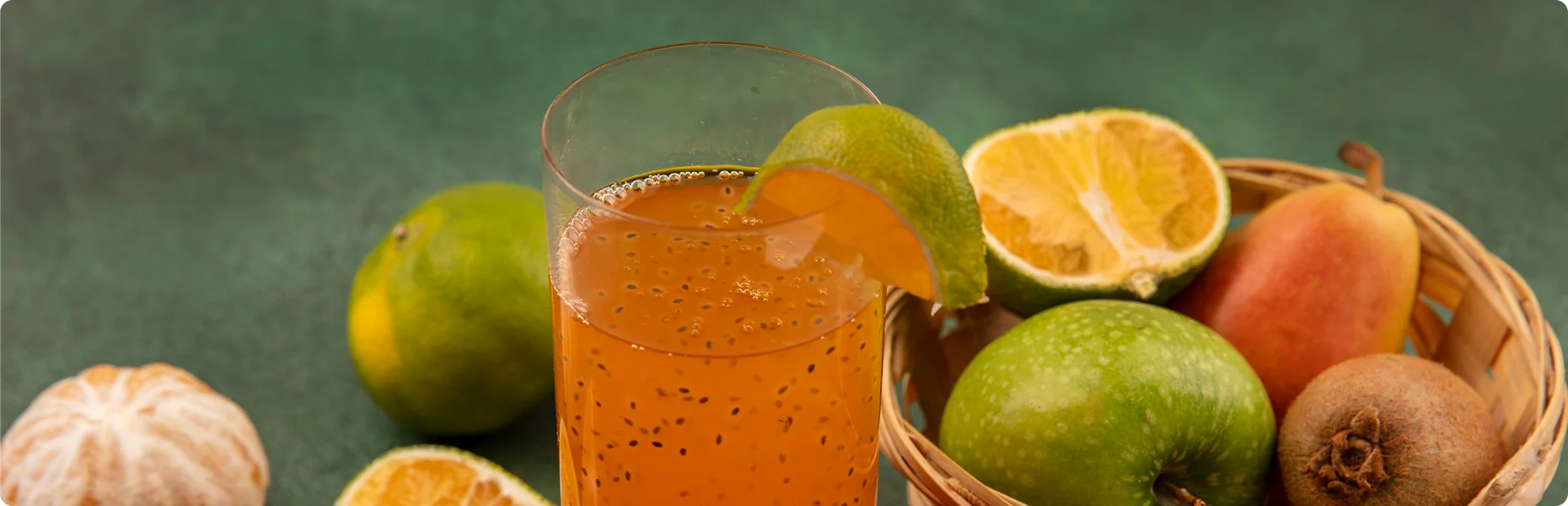
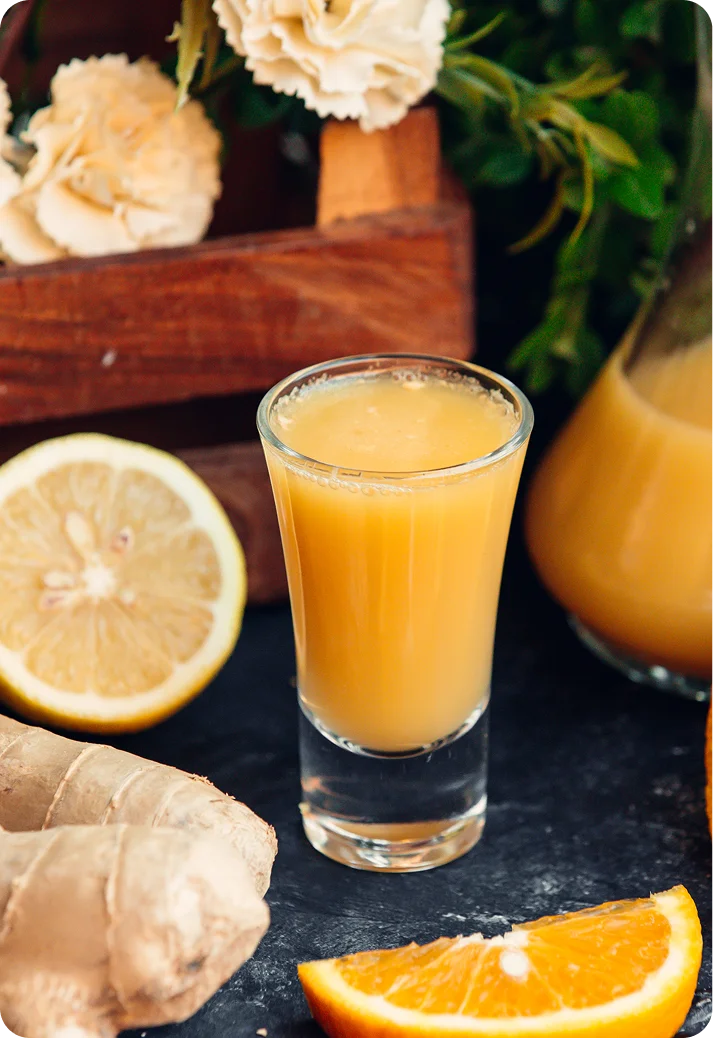
The question ‘what is nannari sarbath’ or ‘what is nannari syrup’ is one of the most searched queries in Indian food discovery every April–June. The answer is delightfully simple. A nannari drink is a chilled beverage made by diluting concentrated nannari syrup, a thick, mahogany-coloured extract of the nannari root, with cold water, a squeeze of fresh lime and a touch of sugar or jaggery. Add crushed ice, and the result is the original South Indian summer reset button.
There is a subtle distinction worth knowing. Nannari syrup is the concentrated base, the bottle you store in your fridge. Nannari juice is the final glass that lands on your table, diluted and served. Nannari sarbath (also spelled sharbat or sherbet) is the traditional Indian word for the same drink, usually with lime and sometimes basil seeds (sabja) floating on top. Sarbath juice and sarbath drink are the English-Indianised terms the younger generation now searches for on Swiggy Instamart, Zepto and Blinkit, and SGR 777’s bottle is increasingly the one they reach for.
Translated to English, nannari sarbath in English simply means ‘Indian Sarsaparilla cooler’, though no translation truly captures the nostalgia of the original.
Nannari Sharbat

The Proven Benefits of Nannari Juice

Modern research and centuries of Ayurvedic observation align remarkably well on the benefits of nannari sharbat. A 2023 review in Journal of Ethnopharmacology catalogued more than forty bioactive compounds in Hemidesmus indicus, including saponins, flavonoids and phenolic glycosides, with documented antioxidant, anti-inflammatory and glucose-modulating activity. Translated out of the lab and into the glass, these are the nannari syrup benefits most Indian households experience every summer:

1. Natural Body Coolant

Nannari juice regulates internal body temperature and reduces ushna (excess heat), the reason it is prescribed during heatwaves, long travel, and festivals like Chithirai where walking in the midday sun is unavoidable. It is genuinely among the best sharbat options available for heat-stroke prevention.

2. Blood Purifier and Skin Clarifier

Anantamool has been used for centuries to detoxify the bloodstream. Regular nannari sarbath consumption is linked traditionally with clearer skin, reduced acne flare-ups and fewer heat boils, a reason why a nannari drink is often recommended to teenagers during summer holidays.

3. Digestive and Urinary Support

Nannari sarbath with lemon benefits the digestive tract by gently stimulating bile flow, easing acidity and relieving constipation. Its mild diuretic action supports urinary health and flushes out toxins , particularly useful after heavy, oily or spicy meals, which is why South Indian wedding caterers serve it immediately after the sadya or biryani course.

4. Hydration Without Harm

Unlike carbonated soft drinks that contain high-fructose corn syrup and caffeine, a traditionally-made nannari juice hydrates without dehydrating. This is the single most important reason Indian paediatricians increasingly recommend traditional sarbath juice over colas for children.
rose syrup

Rose Syrup, The Pink Classic That Built Indian Summer

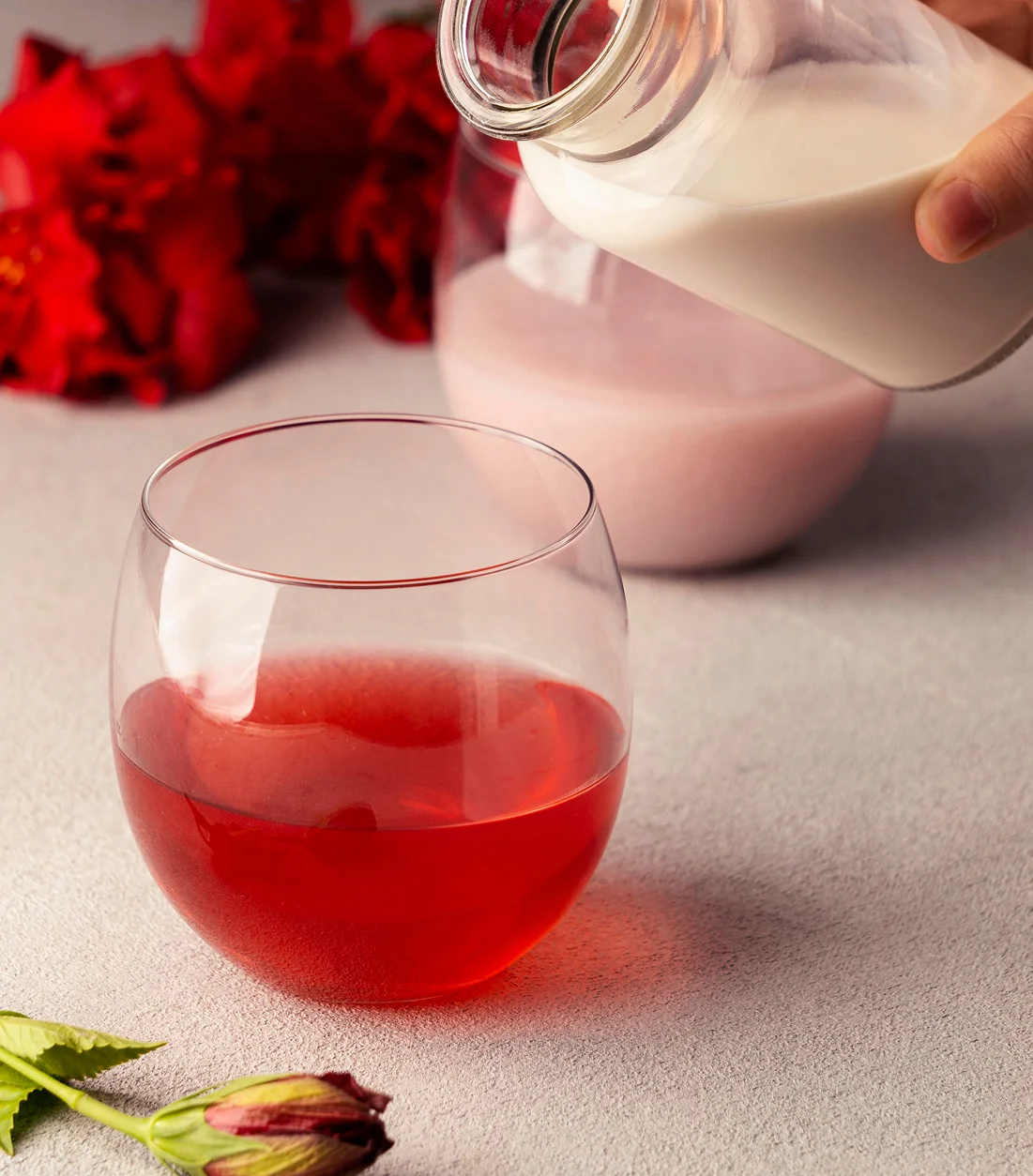
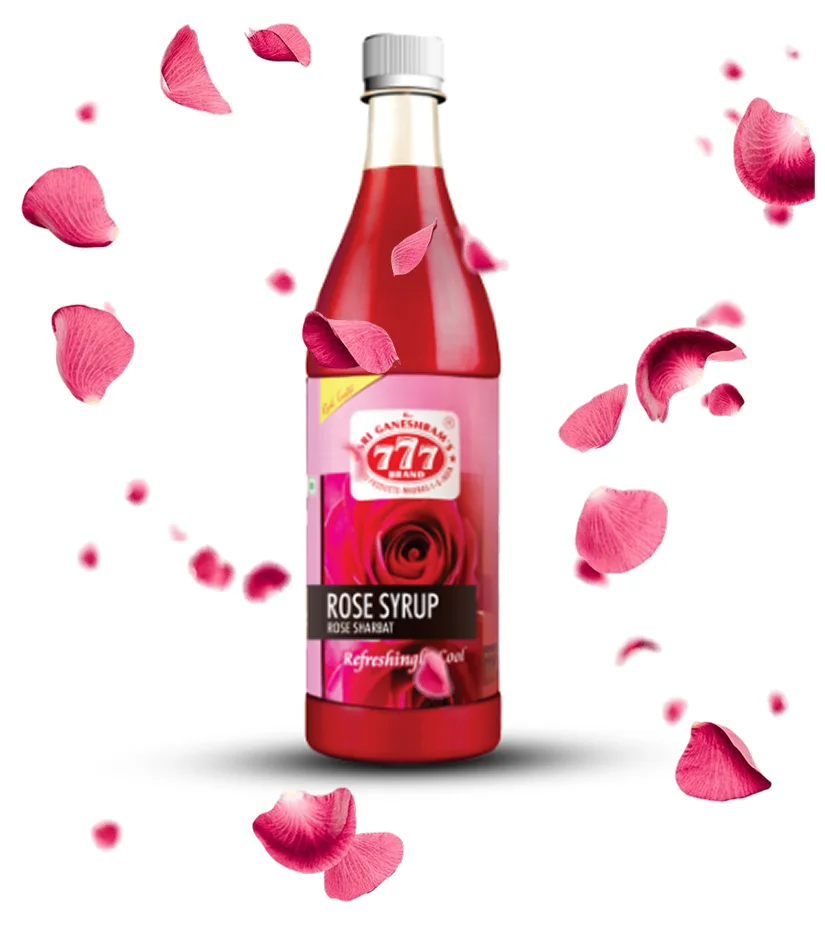
If nannari is the herbal philosopher of Indian summer, rose syrup is its romantic poet. A thick, crimson, rose-fragrant syrup, traditionally brewed from rose petals, sugar and a whisper of cardamom , rose syrup is the single most versatile ingredient in Indian summer drinks. From a cold glass of rose milk in Chennai to a bowl of falooda in Hyderabad, from rose kheer at Eid to rose sharbat at Ramzan iftars, this one bottle is the backbone of a hundred recipes.
What most shoppers do not realise is that there are three distinct categories on the shelf: rose milk syrup (formulated specifically to pair with dairy), rose milk essence (a concentrated flavour, not a full syrup), and traditional milk rose syrup (the authentic, thick, rose-petal-based base). SGR 777’s rose syrup belongs firmly in the third, traditional category, the same recipe that has built the brand’s reputation over decades.
The rose syrup benefits extend beyond flavour. Rose is classified as sheeta virya (cooling potency) in Ayurveda. It is a natural mood lifter, gently anti-inflammatory, and soothing to an irritated gut, which is why a rose sherbet is the traditional first-aid drink for acidity and mid-day fatigue across Indian households.

Rose Milk Benefits and Why It Is the Ultimate Indian Summer Ritual
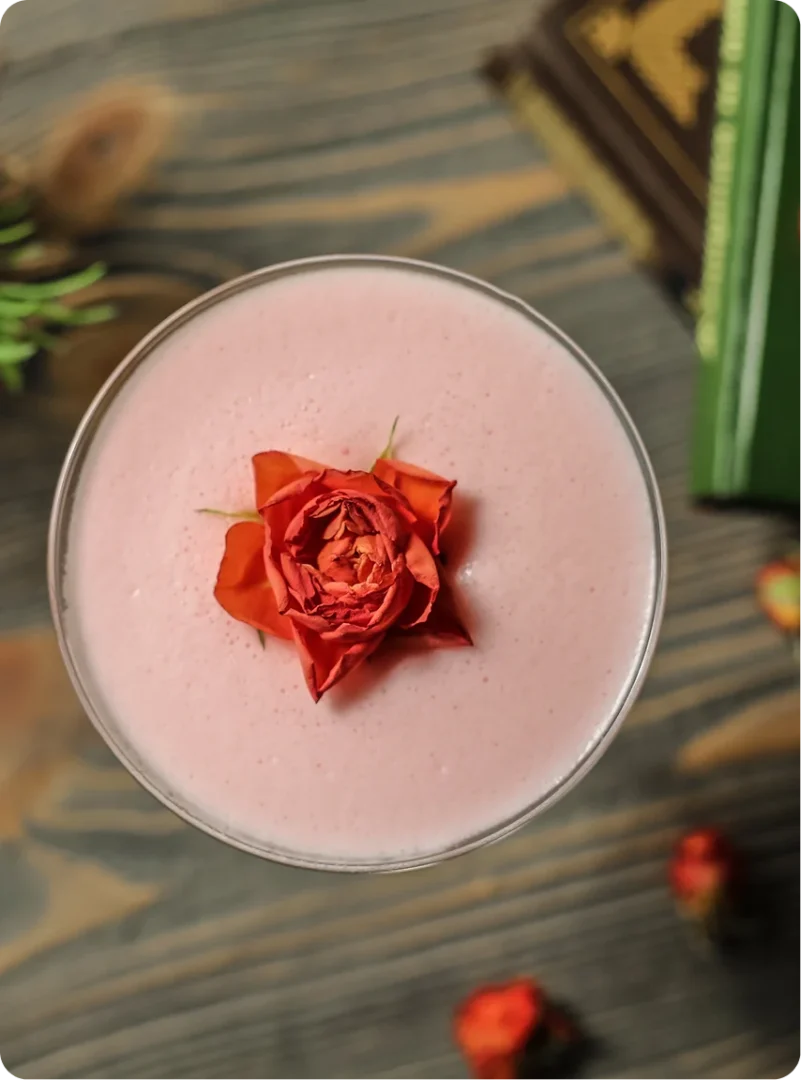
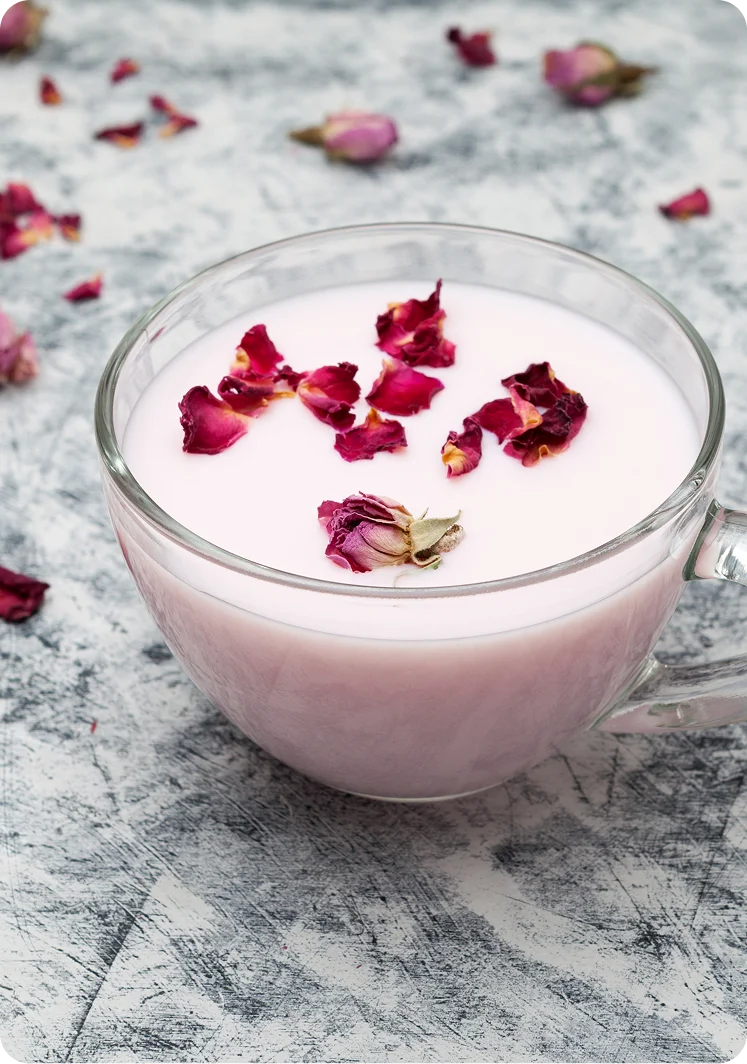
Walk into any Chennai tea-stall after 4 p.m. in May and you will see the rose milk juice glass. Ice-cold milk, a generous pour of rose syrup for rose milk, a dash of rose essence for rose milk , and suddenly the city feels five degrees cooler. This is the drink that defines urban South Indian summers.
The benefits of rose milk are more than sensory. A 250 ml glass of rose milk delivers bone-strengthening calcium and milk protein alongside the cooling, mood-balancing properties of rose. Calories in rose milk sit in the 180–220 kcal range per serving, depending on sugar content, lighter than most coffee-chain milkshakes and far more hydrating. The basic rose milk ingredients are three: chilled full-cream milk, two tablespoons of SGR 777 Rose Syrup, and crushed ice. That is the entire recipe. The genius of the drink lies in the quality of that single ingredient, the syrup.
Rose milk benefits also include gentle cooling of the digestive tract, relief from hyperacidity, and, notably, a calming effect on irritable sleep during summer nights, a reason Indian grandmothers have recommended it for generations.
rose sharbat

Why SGR 777 Foods Leads the Nannari Juice and Rose Syrup Category

Being a leader in Nannari juice and Rose Syrup is not a claim SGR 777 Foods makes casually. It is earned through three uncompromising commitments that distinguish the brand across India’s FMCG landscape.

1. 100% Original, Traditional Brewing

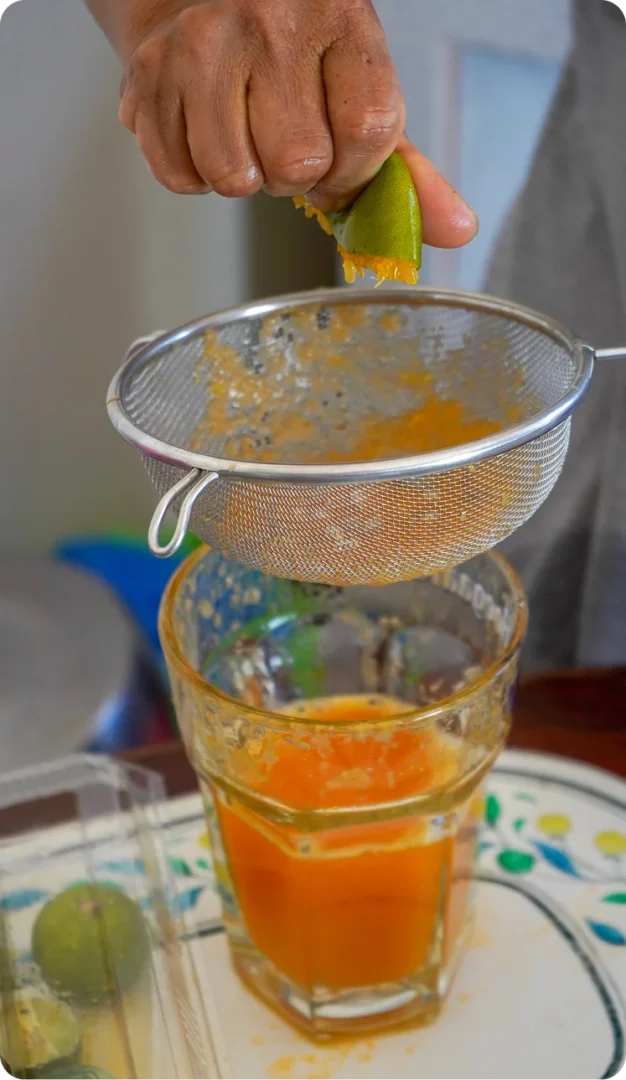
Every bottle of SGR 777 Nannari Syrup begins with actual, traceable nannari root, not synthetic essence. The root is sourced from verified farmer networks in Tamil Nadu and Andhra Pradesh, cleaned, sun-dried, and slow-extracted using the traditional decoction method that pulls out the full aroma profile rather than just the colour. The same discipline applies to the rose syrup, which still uses real rose-petal concentrate rather than cheap rose milk essence substitutes.

2. Authentic Ingredients, Transparent Label

Read any SGR 777 label, and the ingredient list is short, pronounceable, and honest. No artificial preservatives were essential. No banned colours. Sugar at the right sweetness ratio, because a sarbath drink that is over-sweet defeats the entire cooling purpose. This is why the brand is consistently shortlisted by large-format retail chains, Q-commerce platforms, and marriage contractors who need a product that performs at scale without quality variance.

3. Built for Every Audience, from Kirana to HoReCa
SGR 777’s Nannari and Rose Syrup range is available in formats engineered for every segment, 750 ml family packs for retail shops and provision stores, larger containers for caterers, cloud kitchens, and commercial kitchens, and digital-first SKUs for e-commerce and quick-commerce shoppers looking for nannari sharbat online. Dealers and distributors across South India and increasingly across North and East India trust the brand’s margin structure, shelf-life consistency, and restocking velocity.
sharbat

How to Make Nannari Sarbath at Home (Authentic Recipe)

This is the classic nannari sarbath recipe every South Indian home knows. It takes two minutes. The magic is entirely in the quality of the syrup, which is why the single ingredient most recipes cannot compromise on is a trusted nannari sarbath syrup. How to make nannari sarbath is genuinely this simple:

Nannari Sarbath Ingredients:

Method:

How to make nannari syrup from scratch at home is a longer, day-long affair involving boiling the dried root with sugar in precise ratios. For 99% of households, starting with a ready SGR 777 bottle delivers a nannari drink that is closer to the traditional original than most home attempts.

How to Make Rose Milk at Home

How to make rose milk at home is a two-minute skill every Indian kitchen should have. How to prepare rose milk properly depends on three things: cold milk, the right syrup, and the confidence to pour generously. Here is the definitive rose milk recipe, and the rose sharbat recipe works on identical principles; just substitute chilled water for milk.

Rose Milk Ingredients:

Method:

Rose sharbat
For a rose milkshake variation, blend everything with a scoop of vanilla ice cream. For rose kheer, stir a tablespoon of SGR 777 Rose Syrup into warm cooked kheer in the last minute of cooking. For a rose milk mix suitable for larger gatherings, simply scale up proportionally. The syrup does not lose performance at volume, which is why rose syrup for falooda and rose syrup for rose milk are standard on every HoReCa kitchen shelf.

Beyond the Glass, Commercial and B2B Use Cases

The commercial footprint of nannari juice and rose syrup in India extends far beyond the household glass. Caterers for Indian weddings, where a single reception can serve 2,000 guests, rely on bulk packs of SGR 777 Nannari Syrup and Rose Syrup for welcome drinks. Marriage contractors and event companies standardise the brand because a bottle performs identically whether it is diluted at 2 p.m. or 10 p.m.
Commercial kitchens and cloud kitchens use rose syrup as a base for falooda kits, milkshakes, kulfi toppings, and dessert plating. Cafés and tea stalls rotate a rose sharbat bottle and a nannari sarbath bottle on every counter from mid-March to early August, the peak Indian summer window. HoReCa (Hotels, Restaurants, Catering) buyers increasingly ask for traditional Indian SKUs on their beverage menus as guests move away from carbonated drinks, a trend confirmed by Nielsen’s March 2026 FMCG Quarterly, which reported a 17% YoY volume decline in sugary carbonated soft drinks and a 23% YoY rise in traditional Indian beverage syrups.
For retail shops, provision stores, kirana formats, and large-format retail chains, the Nannari and Rose Syrup category delivers genuinely seasonal velocity with consistent margins, the sort of SKU that turns 4–5 times in a single summer quarter. Dealers and distributors across Tamil Nadu, Karnataka, Kerala, Andhra Pradesh, Telangana and, increasingly, Maharashtra, Delhi and West Bengal now list SGR 777 as a priority summer brand.

Rose Syrup Price, Nannari Sarbath Price and Where to Buy
The commercial rose syrup price in India typically ranges from ₹160 to ₹320 for a 750 ml bottle, depending on formulation quality. Traditional rose-petal syrups sit at the upper end and thin rose milk essence products at the lower end. Nannari sarbath price sits in a similar band. A rose sharbat bottle or rose sharbat price listing on Amazon, Flipkart, BigBasket, Swiggy Instamart, Zepto, and Blinkit for SGR 777 Foods is usually the most competitive when the true ingredient quality is factored in.
SGR 777 Foods is available through a dense distribution footprint, kirana stores, supermarkets, hypermarkets, e-commerce, and quick-commerce platforms, as well as directly via www.sgr777foods.com, where bulk orders, B2B enquiries and dealer applications can be initiated.
andhra pickles

The 2026 FMCG Context, Why Traditional Sarbath Brands Are Winning
SGR

India's beverage market is in the middle of a quiet revolution. According to the IMARC Indian Beverage Report 2026, the traditional Indian drink category, syrups, sarbaths, kokum, aam panna, nannari juice, rose syrup, crossed an estimated retail value of ₹18,400 crore, growing at a CAGR of 14.2%. In the same period, sugary carbonated soft drinks recorded a compound decline. Three factors explain why the shift is structural, not cyclical.

SGR

The brands that win this decade in Indian FMCG will be those with three qualifications: authentic product, traditional credibility, and modern distribution. SGR 777 Foods sits squarely at that intersection.

First, the Indian consumer is actively rejecting artificial colours and preservatives; label literacy is at an all-time high. Second, the wellness conversation has moved from 'low sugar' to 'real ingredients', and rose milk benefits, rose syrup benefits, nannari syrup benefits and sarbath benefits score naturally well in that new conversation. Third, quick-commerce has democratised availability: a bottle of nannari sharbat online is now delivered in 10 minutes in 30 Indian cities, something that did not exist two summers ago.

Cart

Create your account

Select the fields to be shown. Others will be hidden. Drag and drop to rearrange the order.
  • Image
  • SKU
  • Rating
  • Price
  • Stock
  • Availability
  • Add to cart
  • Description
  • Content
  • Weight
  • Dimensions
  • Additional information
Click outside to hide the comparison bar
Compare