Introducing the Debate: Is Soy Sauce Healthy or Not?
The question “is soy sauce healthy?” often comes up because it sits at the crossroads of flavour and nutrition. Found in kitchens across cultures, soy sauce adds depth to food but also raises concerns due to its salt content.
From a nutrition point of view, soy sauce is neither entirely good nor entirely bad. The answer depends on how it is made, how much is used, and who is consuming it. When people ask whether soy sauce is healthy or not, the most accurate response is that it works best as a controlled seasoning rather than a free-flowing condiment.
The Origins and Production Methods of Soy Sauce
Soy sauce has a history that goes back over 2,500 years, beginning in China as a fermented preservation method. Over time, it spread across Asia and later to the rest of the world.
Traditional brewing involves fermenting soybeans and wheat with water and salt over several months. This slow process develops flavour and produces beneficial compounds.
Modern shortcuts use chemical hydrolysis, which speeds up production but compromises quality. Understanding how soy sauce is made helps explain why some varieties are nutritionally better than others.
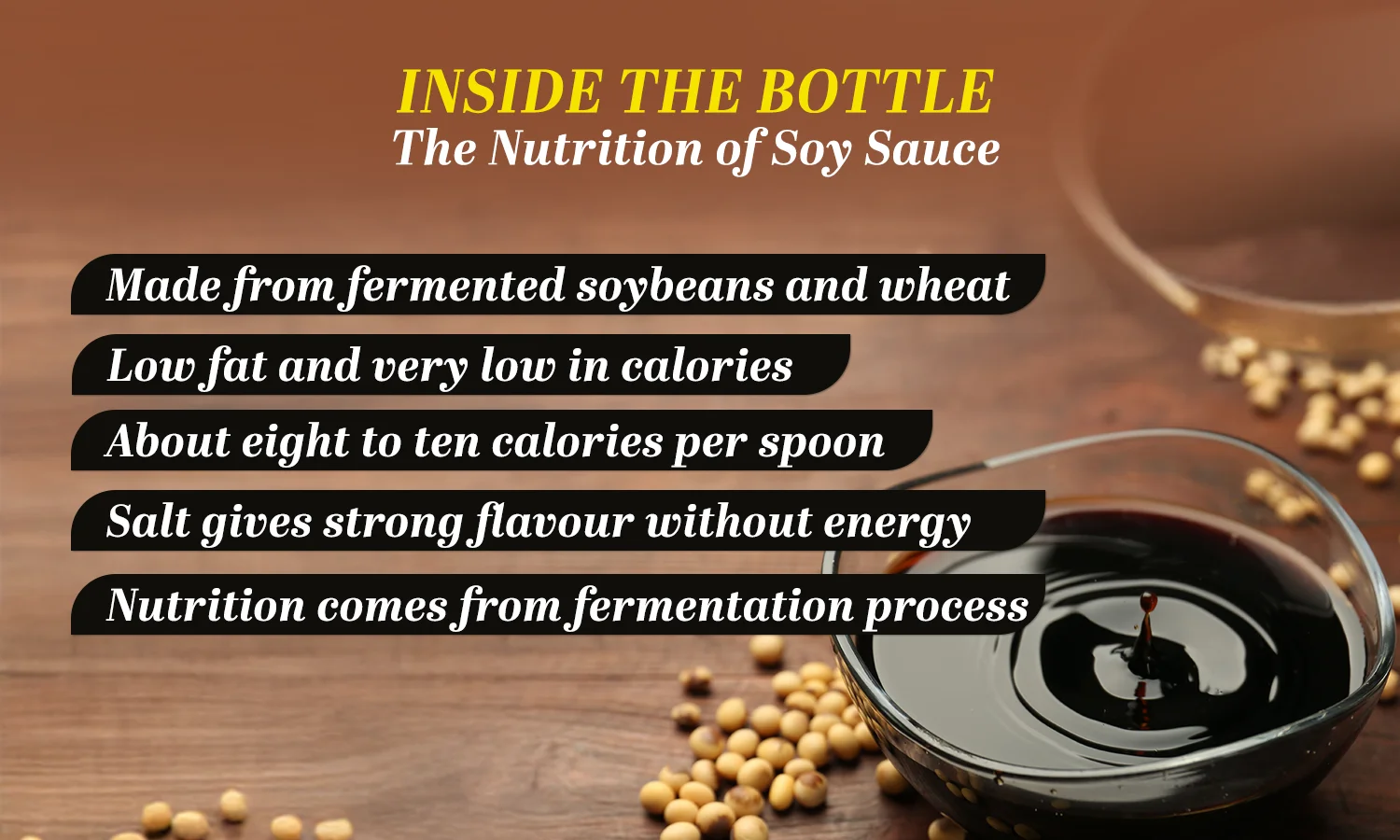
Inside the Bottle: The Nutrition of Soy Sauce
When looking at soy sauce ingredients, the basics remain simple: fermented soybeans, wheat, salt, and water. Some versions also include sugar or caramel for colour and thickness.
Nutritionally, soy sauce is low in fat and contains very few calories. Typical soy sauce calories range from 8 to 10 per tablespoon, making it a low-energy flavour enhancer. Its value comes more from taste and fermentation compounds than from vitamins or minerals.
Diving Deeper: Understanding the Sodium Content in Soy Sauce
Sodium is the main concern when evaluating if soy sauce is good for health. One tablespoon of regular soy sauce can contain close to half of the daily recommended sodium limit.
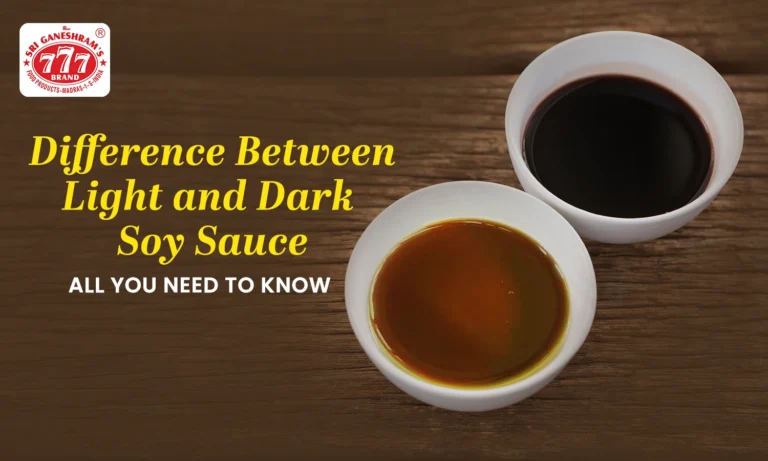
However, not all types are equal. Dark soy sauce is thicker, slightly sweeter, and generally less salty than light soy sauce. Many people wonder if soy sauce is healthy compared to regular versions. While it still contains salt, its stronger flavour means smaller quantities are usually enough.
Medical Opinions on Soy Sauce and Health :
1. Can I Consume Soy Sauce If I Have High Blood Pressure?
Doctors advise strict moderation. Soy sauce contains concentrated sodium, which can increase blood pressure and fluid retention. For people with hypertension, using soy sauce occasionally and in very small amounts is safer than daily use.
2. Is Soy Sauce Healthy for Diabetics?
For diabetics, soy sauce is healthy in terms of blood sugar impact because it has a low glycaemic index. Sodium, not sugar, remains the primary concern.
3. Does Soy Sauce Promote Digestion?
Naturally fermented soy sauce may support digestion by stimulating gastric juices, unlike chemically produced versions. People sensitive to fermented foods may experience digestive discomfort instead of relief.
4. Is Soy Sauce Good For Weight Loss?
Soy sauce is low in calories and fat, which makes it preferable to creamy condiments. However, high sodium intake can cause water retention, leading to temporary weight fluctuations. Moderation is necessary to prevent misleading weight changes.
5. Are There Any Possible Allergies to Soy Sauce?
Soy sauce may trigger allergic reactions due to soy, wheat, or fermentation-related histamines. Individuals with gluten intolerance or soy allergy should choose alternatives carefully.
6. What Is The Amount of Soy Sauce Considered Safe For Daily Consumption?
Health authorities generally suggest limiting soy sauce intake to 1–2 teaspoons per day for healthy adults, as it helps keep sodium consumption in check while still allowing you to enjoy its flavor. If you have any existing health conditions, it’s always best to seek expert advice to understand what amount is suitable for your individual needs.
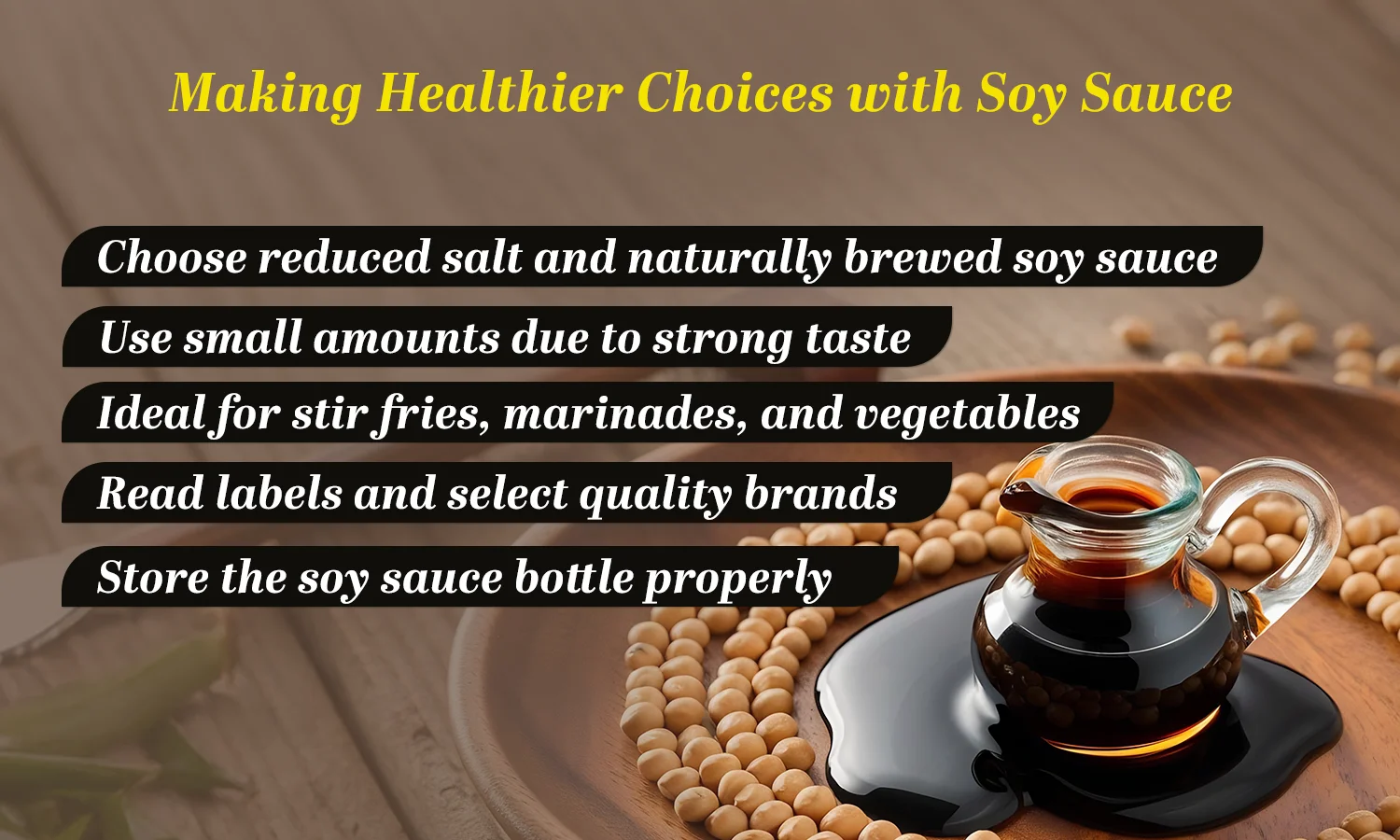
Making Healthier Choices with Soy Sauce :
Choosing better varieties and using them wisely makes a difference. Reduced-salt options, naturally brewed products, and mindful portions help minimise risks. Many people enjoy soy sauce for its role in cooking, as common soy sauce uses include stir-fries, marinades, and seasoning vegetables.
From flavour to aroma, soy sauce taste is intense, which is why small quantities work well. Checking labels, choosing quality brands, and storing the soy sauce bottle properly also support safer consumption.
Conclusion: Balance and Moderation with Soy Sauce in Your Diet
So, is soy sauce healthy? The answer lies in balance. High-quality fermented soy sauce used sparingly can fit into a balanced diet. It offers flavour, possible digestive support, and certain antioxidants, often discussed as the benefits of soy sauce.
At the same time, overuse can lead to high sodium intake and related health concerns. Treat soy sauce as a precision seasoning rather than a pouring sauce, and it can remain a safe and enjoyable part of everyday cooking.
FAQs :
What Is Soy Sauce Made Of?
Soy sauce is made from fermented soybeans, wheat, water, and salt, with some varieties adding sugar or caramel for colour.
Is Soy Sauce Non-Veg or Veg?
Soy sauce is vegetarian, as it is produced entirely from plant-based ingredients.
Is Soy Sauce Ok for Your Stomach?
In small amounts, naturally brewed soy sauce may aid digestion, but excess intake can cause discomfort due to salt and histamines.
What Are the Advantages and Disadvantages of Soy Sauce?
Advantages include low calories and strong flavour; soy sauce side effects mainly involve high sodium and allergy risks when consumed excessively.