Enjoy FREE SHIPPING on orders ₹300 and above! Track your orders easily by clicking here: My Account > Orders > Track Now Get 25% Off On Your 1st Order: Shop Now Enjoy FREE SHIPPING on orders ₹300 and above! Track your orders easily by clicking here: My Account > Orders > Track Now Get 25% Off On Your 1st Order: Shop Now


Best Sellers You’ll Love
+91 44 48506487
Cart: 0 - 0.00

Types of Peppers

Types of Peppers: A Complete Guide to Black Pepper Varieties, Uses and Benefits

Pepper is one of the few spices that show up in almost every Indian kitchen. A tiny pinch can warm up a rasam, sharpen a curry, or make a simple soup feel complete. Even with so much daily use, many people do not realise there are different Types of peppers. Knowing these types helps you pick the right one for the right dish, and it also helps you buy better pepper for your home.
This guide talks about peppercorns. Peppercorns are dried berries from a vine, while chillies and bell peppers belong to the capsicum family. Capsicum gives quick, sharp heat. Peppercorns give a slower warmth and a deep aroma. That is why peppercorns work in both spicy and mild foods.
Black Pepper Varieties
Types of peppers

What are the different types of Peppers

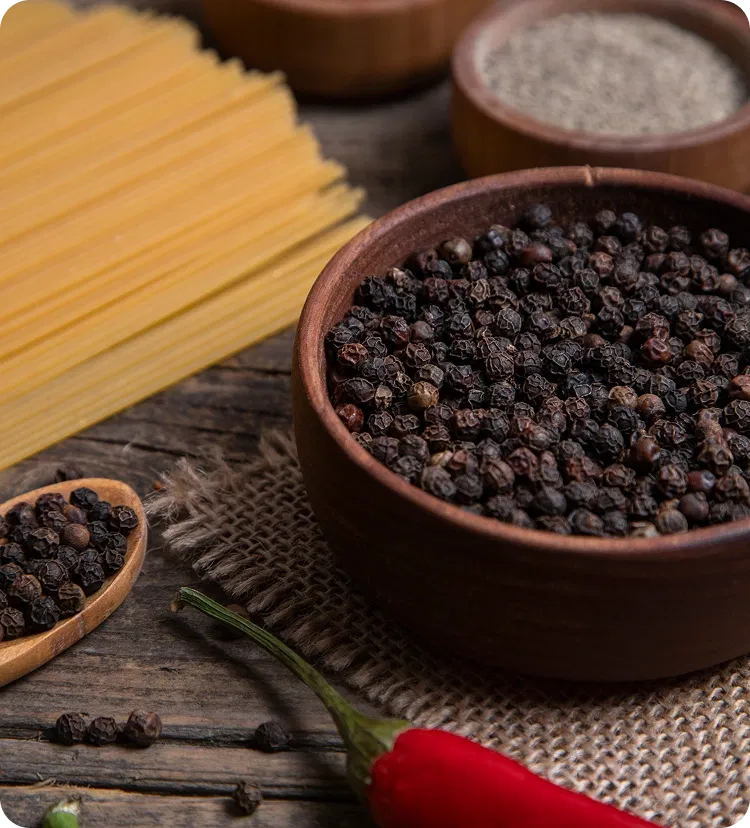
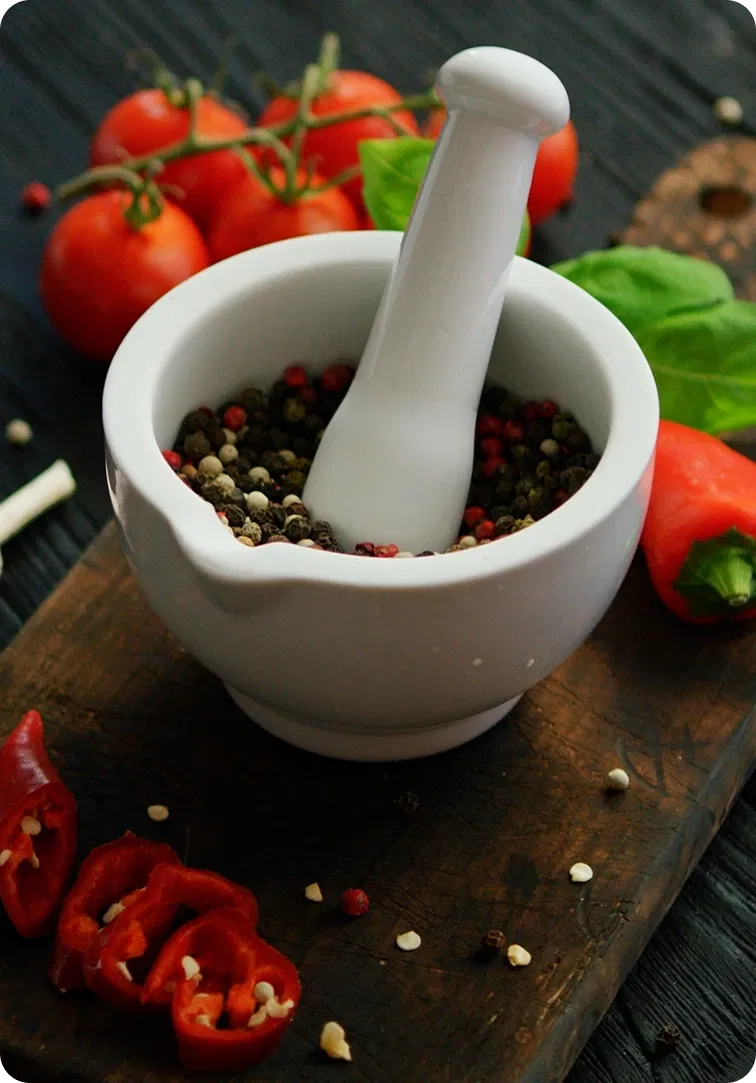
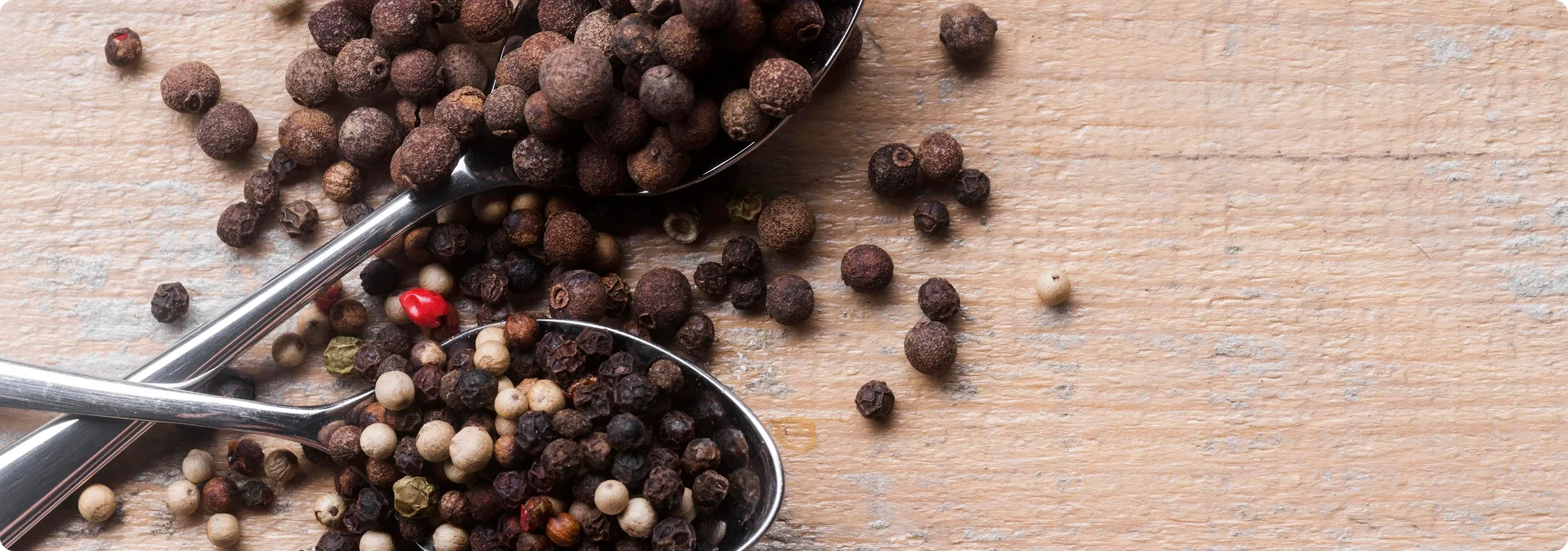
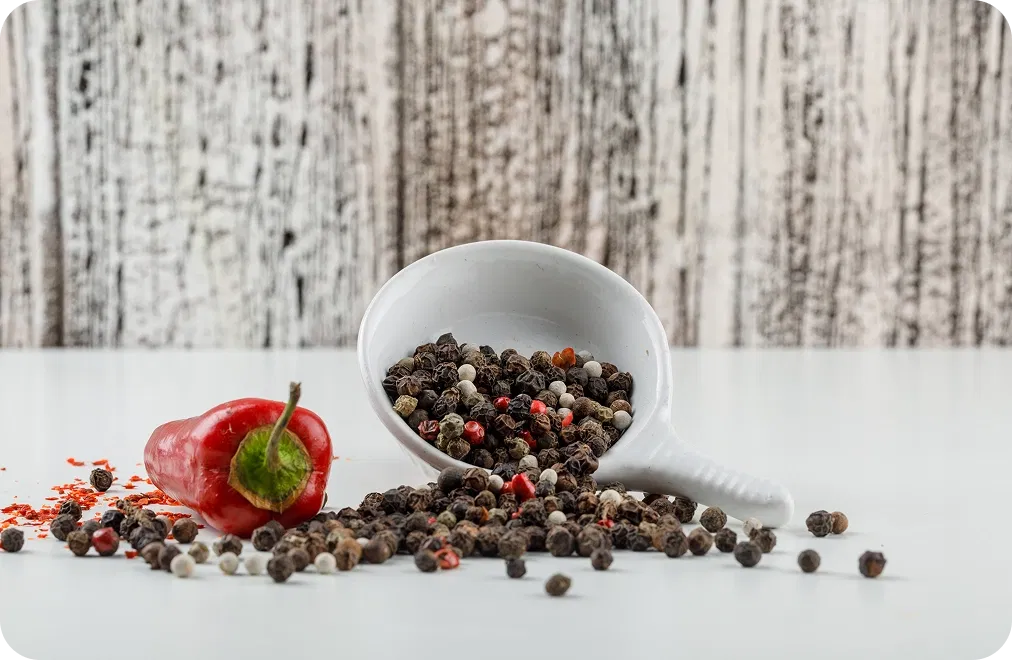
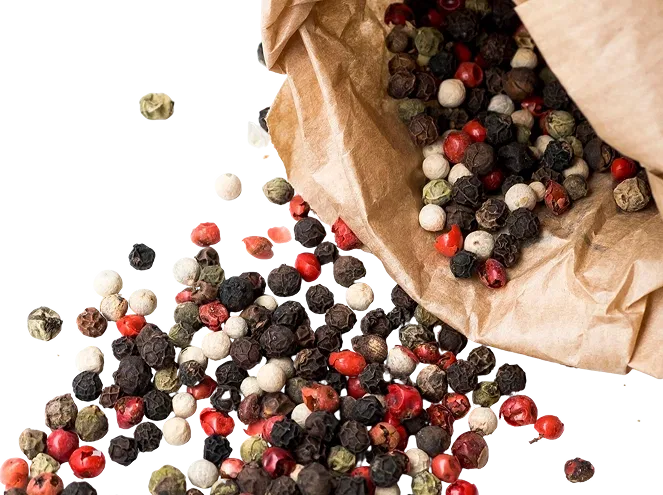
Peppercorns come from the same berry. The colour changes based on when the berry is picked and how it is processed. The classic peppercorns. Types of peppers are black, white, green, and red.
You might hear other names like pink pepper or Sichuan pepper, but those are different plants. The four above are the true peppercorn family.

Where does black pepper fit among types of peppers

Among the peppercorn Types of peppers, black stands out as the most widely used. Its aroma stays strong even after cooking, and its warmth suits dals, rasam, marinades, soups, and snacks. White pepper is chosen when you want the pepper taste without black specks. Green pepper adds freshness to lighter foods. Red pepper is rare in Indian home cooking.
So if you want one pepper variety that works for everyday Indian food, black peppercorns are usually the best pick.

Why is black pepper called the king of spices

People have called pepper the king for centuries. Long ago, it was traded across seas and treated like precious cargo. Today, it keeps that title for a simpler reason: it improves almost anything you cook. A pinch adds warmth without making food feel fiery, and it brings a sharp aroma that lifts flavours already in the dish.
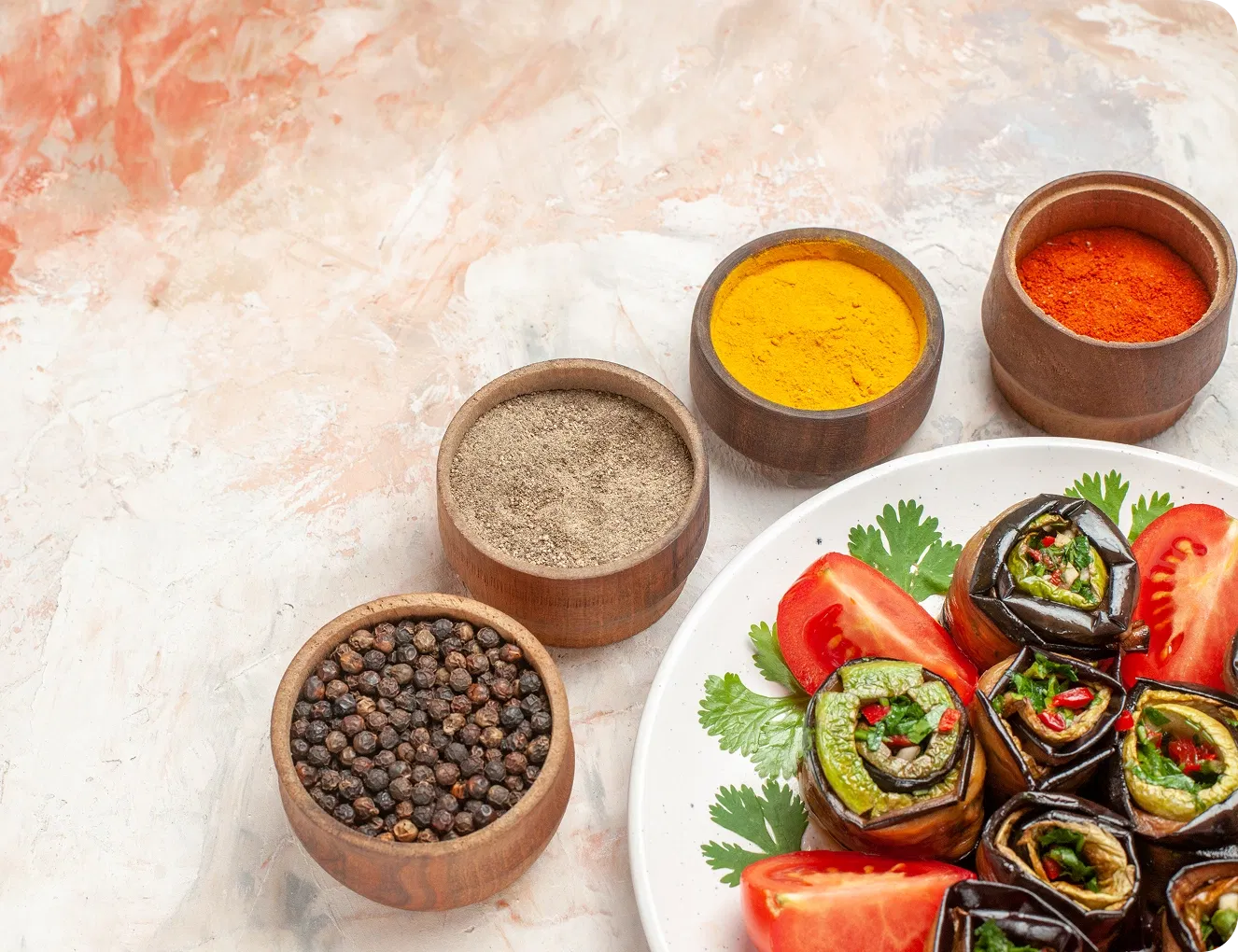
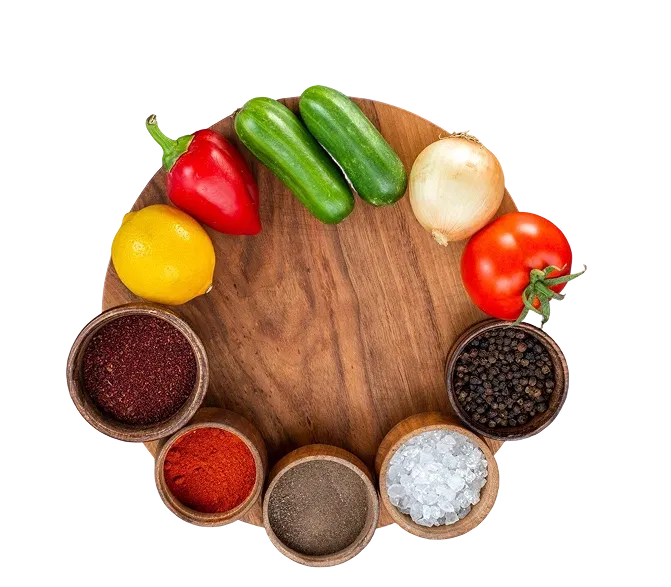
Pepper also mixes well with other Indian spices. It supports ginger in rasam, pairs with jeera in curry bases, and works beautifully with turmeric and black pepper in warm drinks.

What is Black Pepper (Piper nigrum)

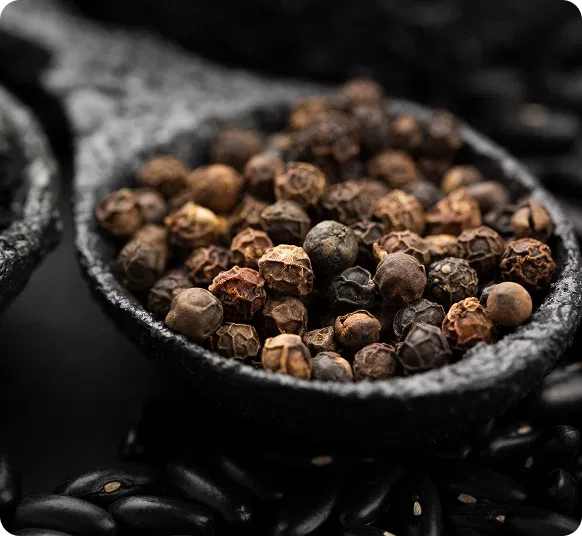
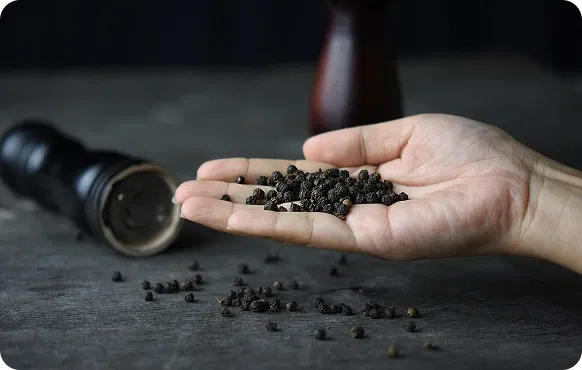
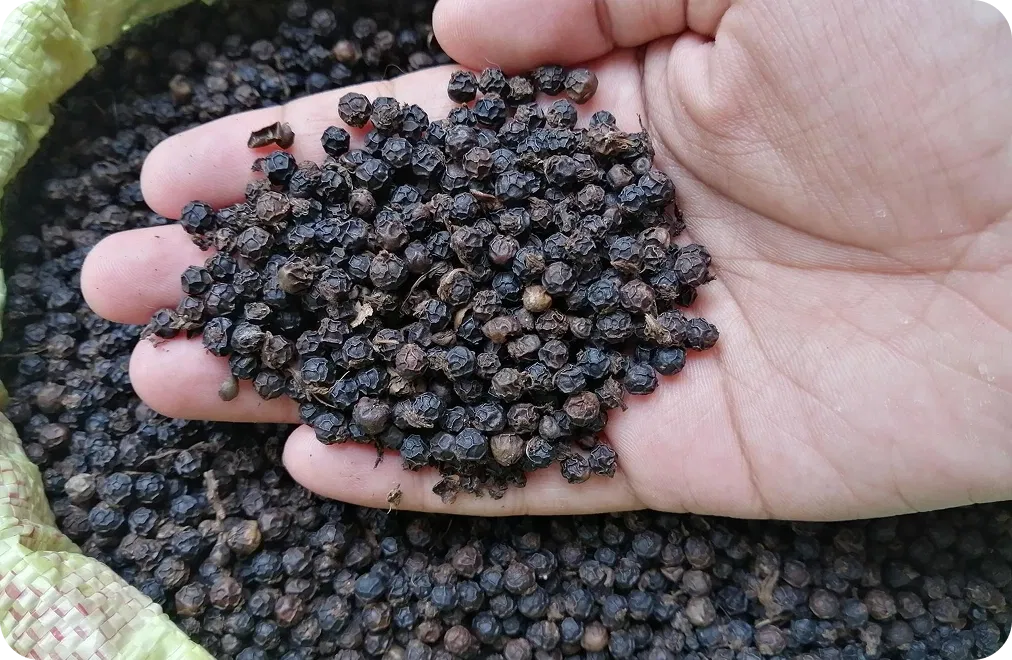
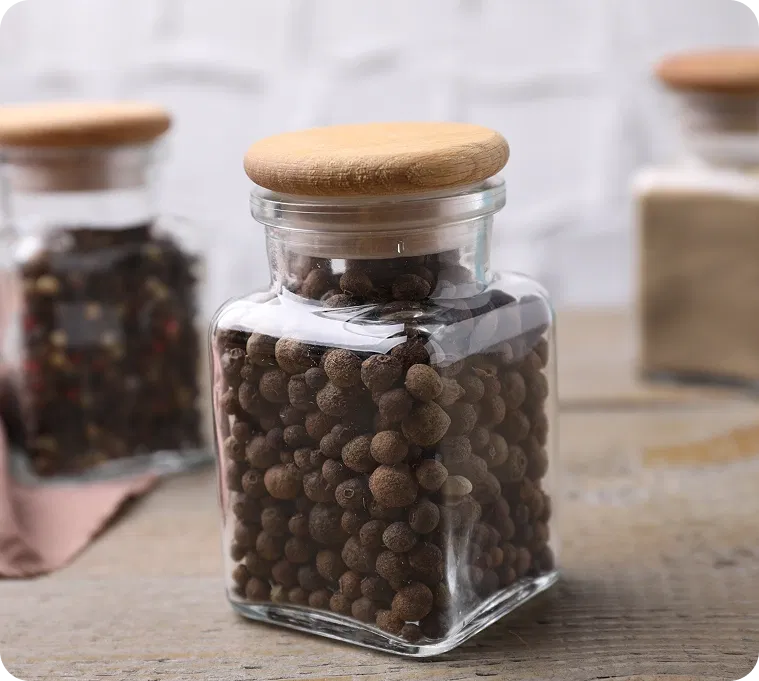
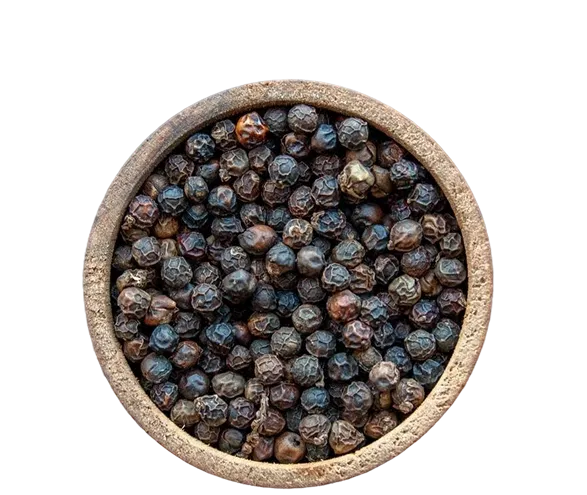
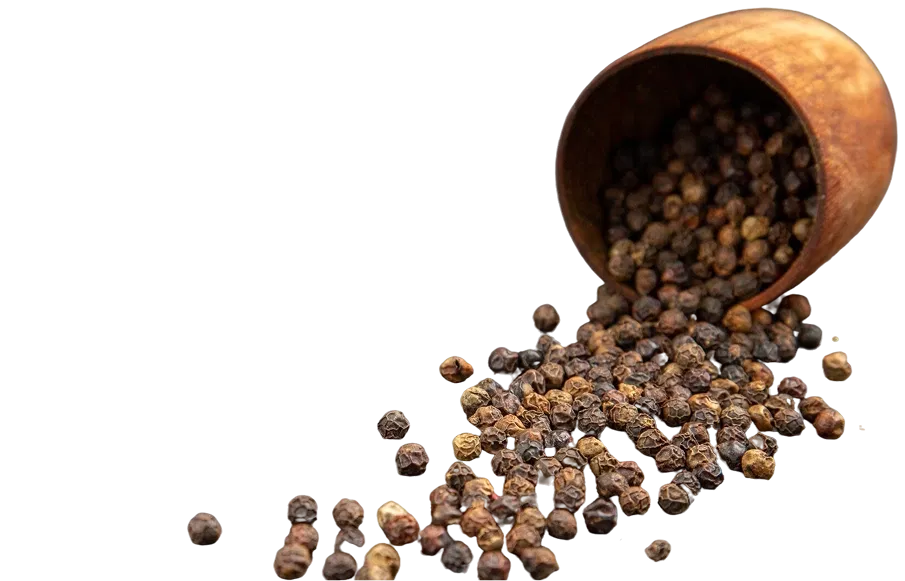
The pepper vine is called black pepper, Piper nigrum. It grows in humid tropical regions, especially in South India. The vine produces clusters of berries. These berries are harvested at different stages. When they are picked early and dried with the skin on, they become black peppercorns.
Because peppercorns are berries, they have two flavour layers. The outer skin brings aroma, and the inner part brings heat.

Popular black pepper varieties used in India

India grows some of the most aromatic peppers in the world. You might see names like Malabar, Tellicherry, Karimunda, and Kottanadan. Malabar is the classic everyday pepper from Kerala. Tellicherry usually refers to bigger and more mature berries, so the aroma is deeper. Other regional peppers can be equally good if they are fresh.
For most home cooks, the exact variety name matters less than the quality of the peppercorn itself.

How do I identify the best black pepper seeds

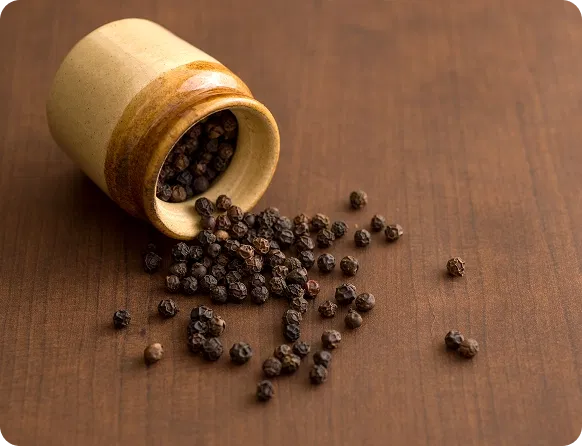
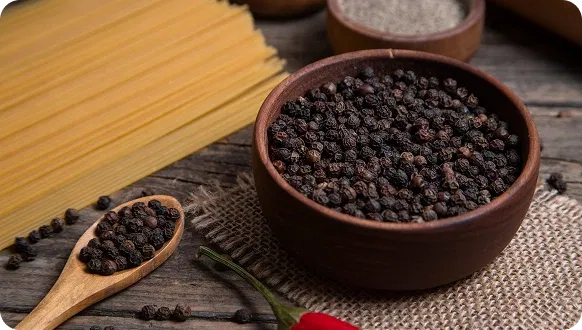
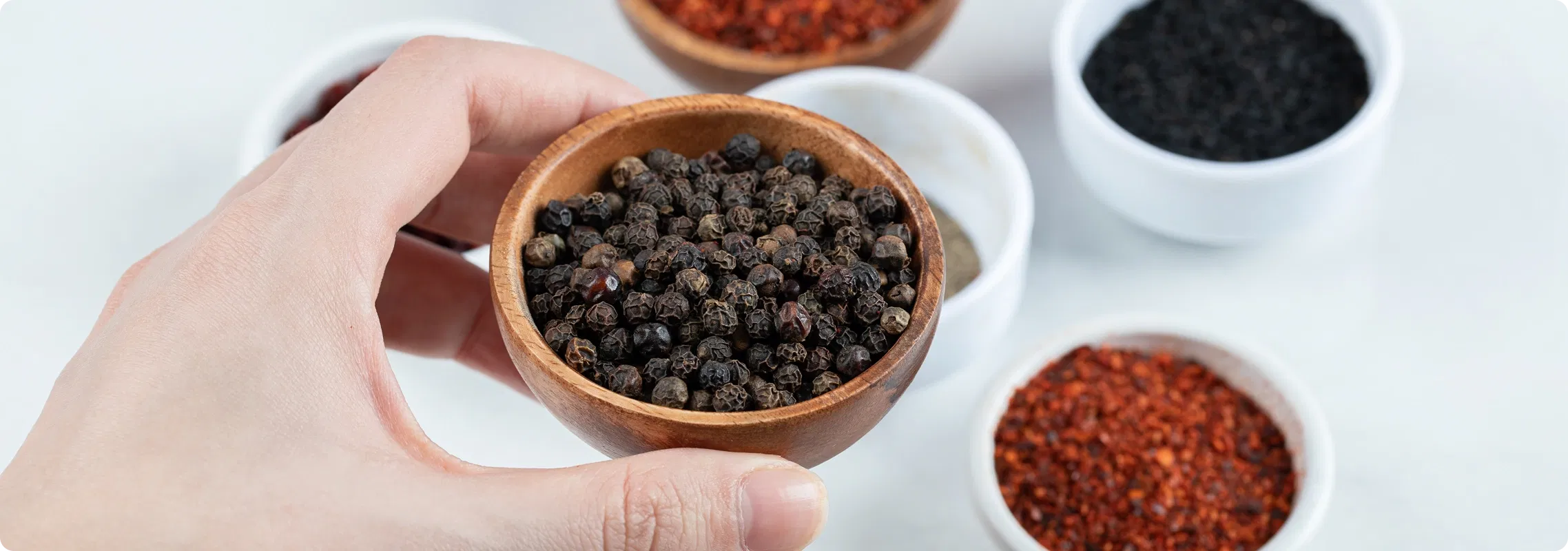
Whole peppercorns protect the inner black pepper seed, which is why they stay fragrant longer. When buying whole pepper, use these simple checks:
These checks work whether you are buying loose pepper or a packaged brand.

How is black pepper powder made

To make black pepper powder, peppercorns are cleaned, dried fully, and ground. Grinding releases natural oils, so the powder smells strongest right after grinding. Store-bought powder is convenient, but it slowly loses aroma once opened, especially in humid weather.
If you like a stronger kick, grind small amounts at home and refill your jar when needed.

What is the difference between pepper powder and black pepper powder

In many Indian stores, both terms mean pure ground pepper. Still, sometimes pepper powder could be a coarser grind or even a small blend, depending on the seller. If you want only pepper, check the label and ingredient list.

How do I use black pepper in daily cooking

Pepper is one of the easiest spices to use because it fits every style of food. Here are practical daily ideas:
Add cracked peppercorns while boiling rasam or milagu kuzhambu.
Sprinkle powder on pongal, upma, or curd rice just before serving.

Mix crushed pepper into marinades for paneer, chicken, fish, or mushrooms.

Add a pinch to soups, stir fries, and sautéed vegetables at the end.
Use pepper with lemon or buttermilk when you want a warm, light drink.
These are simple examples of black pepper in cooking. The main tip is timing. Adding pepper near the end keeps the aroma alive.

What are the benefits of black pepper powder

Pepper’s warmth comes from piperine, a natural compound in peppercorns. In normal food amounts, piperine supports digestion and helps the body absorb certain nutrients better. The benefits of black pepper powder that people notice in daily life are simple but real: a lighter feeling after meals, a better appetite, and warming comfort in cold weather.
You do not need a lot for these effects. A pinch daily in food daily is enough.

How does black pepper help with digestion

Traditional pepper rasam exists because black pepper for digestion encourages digestive juices and improves gut comfort. It also works well with ginger, jeera, and hing, which is why these spices often appear together in Indian recipes. If you feel heavy after meals, regular small use of pepper in food can help.

Black pepper health benefits

Along with digestion support, pepper contains antioxidants that help the body handle everyday stress. Piperine may also improve how some plant compounds are absorbed from food. These steady, long-term supports are the black pepper health benefits people have relied on traditionally.

What is the nutritional value of black pepper

Pepper is not eaten in large amounts, so it is not a major vitamin source. Still, it contains some trace minerals and plant compounds. Its strongest nutritional contribution comes from piperine and antioxidants. That is the simple meaning of black pepper’s nutritional value.

Price of black pepper in India and what affects the cost per kg

Pepper rates change throughout the year depending on harvest, region, grade, and size of berries. Larger, mature berries usually cost more. When someone asks about black pepper price, they are basically asking what a good kilo costs right now. Stores may also list black pepper per kg to show the per-kilo rate clearly.
Instead of going only by price, look at aroma and berry size. Fresh, full berries give better flavour and better value.

How do I choose the best quality black pepper

To pick the best quality black pepper, focus on freshness:
A fresh everyday grade can taste better than an expensive old grade.

How should I store black pepper for freshness

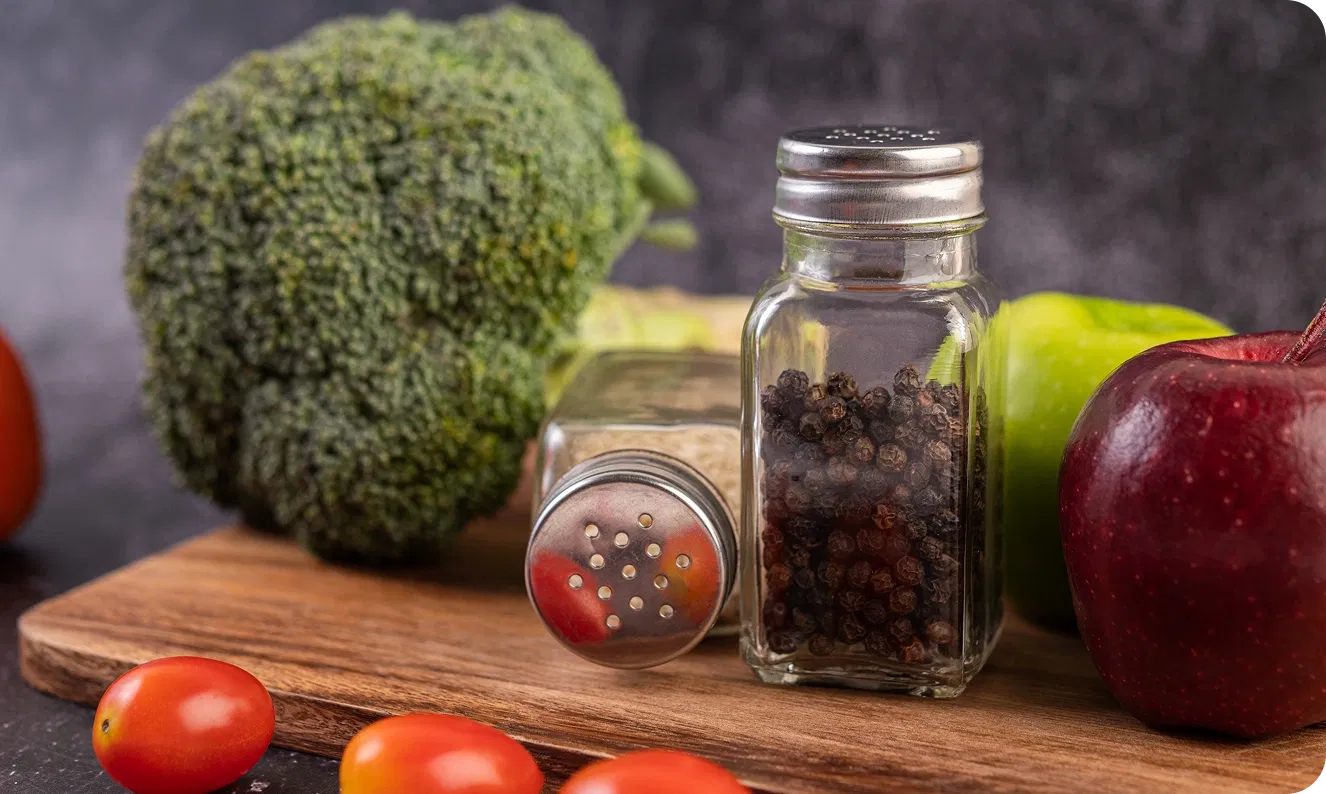
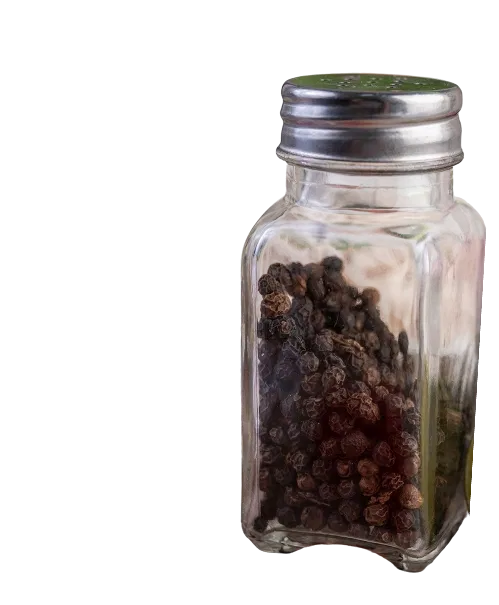
Pepper loses aroma when exposed to air, heat, light, and moisture. Here is how to store black pepper the right way:
Whole pepper stays fresh longer than powder.

Which type of pepper is best for cooking in Indian food

For most Indian dishes, black peppercorns are the best all-round choice. They hold up to heat and bring a deep aroma. White pepper is useful for light gravies and soups where you do not want black specks. Green peppercorns are nice for a fresher flavour in lighter foods. Red peppercorns remain uncommon.
So, for daily home cooking, black pepper is usually the most practical among the Types of peppers.

Are there any side effects of eating pepper

Pepper is safe in normal cooking amounts. But a very high intake can irritate the stomach in people with acidity or ulcers. Concentrated pepper supplements may also interact with some medicines. So enjoy pepper in food, and avoid taking large doses unless advised by a doctor.

Why black pepper should be in every kitchen

Pepper upgrades taste quickly, works with almost any dish, and quietly supports digestion. Once you understand the Types of peppers, you can use them smartly. Still, black pepper keeps its place as a daily essential because it gives maximum flavour with minimum effort.

Key Takeaways

The types of peppers are black, white, green, and red.
Black peppercorns are the boldest and most used in Indian kitchens.
Whole pepper keeps its aroma longer than powder.
Pepper supports digestion and gives steady wellness support.

Store pepper airtight and dry to keep its flavour fresh.

Frequently Asked Questions

What Is the Use of Pepper?
Pepper adds warmth and aroma to food. Among the types of peppers, black peppercorns are used most in India for rasam, curries, soups, and marinades. A small pinch lifts flavour fast.
What Is Pepper Called?
Peppercorns come from the vine Piper nigrum. In Indian homes, “pepper” usually means black peppercorns, one of the key Types of peppers.
Can I Eat Pepper Every Day?
Yes, in normal cooking amounts, pepper is safe daily. If you have acidity or a sensitive stomach, keep the quantity low and spread it through meals.
Is Pepper Good for Your Health?
Pepper supports digestion and helps the body absorb some nutrients better. The benefits come from regular food use, not from large doses.
Which Colour Pepper Is the Healthiest?
All true peppercorn colours start from the same berry. Black is boldest, white is milder, green is fresher, and red is fruitier. Choose based on the dish you are making.
Who Should Not Eat Pepper?
People with ulcers, strong acidity, or very sensitive digestion should limit pepper. Avoid high-dose supplements if you are on medicines that can react with piperine.
Cart

Create your account

Select the fields to be shown. Others will be hidden. Drag and drop to rearrange the order.
  • Image
  • SKU
  • Rating
  • Price
  • Stock
  • Availability
  • Add to cart
  • Description
  • Content
  • Weight
  • Dimensions
  • Additional information
Click outside to hide the comparison bar
Compare