Enjoy FREE SHIPPING on orders ₹300 and above! Track your orders easily by clicking here: My Account > Orders > Track Now Get 25% Off On Your 1st Order: Shop Now Enjoy FREE SHIPPING on orders ₹300 and above! Track your orders easily by clicking here: My Account > Orders > Track Now Get 25% Off On Your 1st Order: Shop Now
Best Sellers You’ll Love
sgr777foodssgr777foodssgr777foods
+91 44 48506487
sgr777foodssgr777foodssgr777foods
Cart: 0 - 0.00

Pickles

Indian Pickles Online,

Traditional Tamil & Andhra Recipes, Chekku-Pressed Oil, No Preservatives

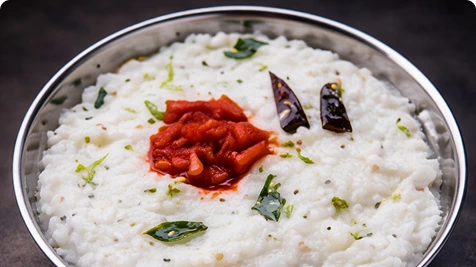
There is a moment every South Indian knows, curd rice in a steel plate, a smear of deep-red mango pickle on the side, and the first bite that makes the whole world feel exactly right. That moment is what 777 Brand pickles have been made for since 1954.
Our pickle collection brings together the best of Tamil Nadu and Andhra traditions, from the tender crunch of vadu mango pickle beloved by Tamil households to the fiery, bold depth of avakaya pickle that Andhra families have prepared in clay jars for generations. Every jar is made in our FSSAI-certified facility in Gummidipoondi, Tamil Nadu, using chekku-pressed gingelly oil, traditional spice ratios, and zero artificial preservatives.
Browse our range below or jump straight to the variety you are looking for. Pan-India delivery is available on all orders.

70+ Years Heritage
(Since 1954)

chekku-Pressed
Gingelly Oil

Zero Artificial
Preservatives

FSSAI
Certified

Pan-India
Delivery

Years of Pickle-Making

— The 777 Brand Story

In 1954, Sri Ganeshram established his first food processing facility in Chennai, four buildings away from the family restaurant, with one goal: to bring the authentic flavours of Tamil home cooking to every household. The brand name 777 was drawn directly from the FPO (Food Products Order) licence number the company held, a number that became synonymous with quality and tradition across Tamil Nadu.
Seven decades later, SGR 777 Foods operates from a full-scale manufacturing facility at the Sipcot Industrial Complex in Gummidipoondi, Tamil Nadu, and continues to hold that same standard. In 1970, the company established Sri Ganeshram’s Analytical Laboratory, a dedicated in-house food analysis facility headed by a qualified food analysis chemist, to ensure every product leaving the factory met precise quality benchmarks.
Today, the 777 Brand remains the original Tamil food heritage brand, making traditional pickles, masalas, and Tamil pantry staples for over 70 years. When you buy a jar of 777 vadu mango pickle, you are buying from the same brand that families across Chennai, Coimbatore, Madurai, and the Tamil diaspora worldwide have trusted since their grandparents’ kitchens.

The 777 Pickle Range

— What We Make and Why It Matters

South India is not a single pickle tradition. Tamil Nadu has its own recipes, ingredients, and techniques, particularly around the use of vadu mangai (baby mangoes), narthangai (citron), and perungayam (asafoetida), that are distinct from Andhra or Karnataka styles. Andhra pickles carry their own signature: the heat of Guntur chillies, the pungency of mustard, and the generous use of oil to preserve and deepen flavour.
777 Foods makes both. Our pickle range covers Tamil traditional recipes as well as Andhra-origin varieties, giving you access to the full South Indian pickle tradition in one place.

Tamil Nadu Pickles

— Rooted in Traditional Tamil Recipes

These are the pickles that Tamil households have made every summer. Many involve the ritual of buying raw or baby mangoes in season, preparing them at home, and storing them in ceramic urns called martbaans for the year ahead. 777 brings that same tradition to a jar that delivers consistently, wherever you are.

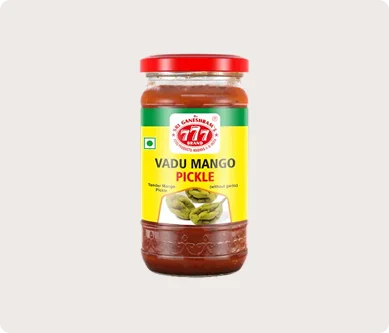
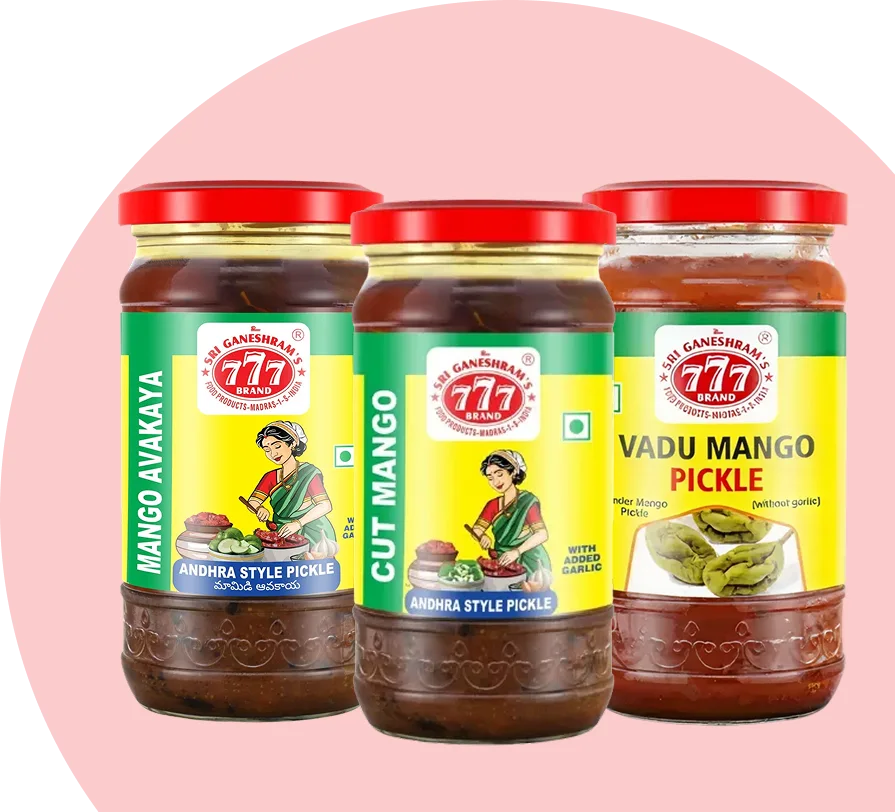
Vadu Mango Pickle (Maavadu Pickle)

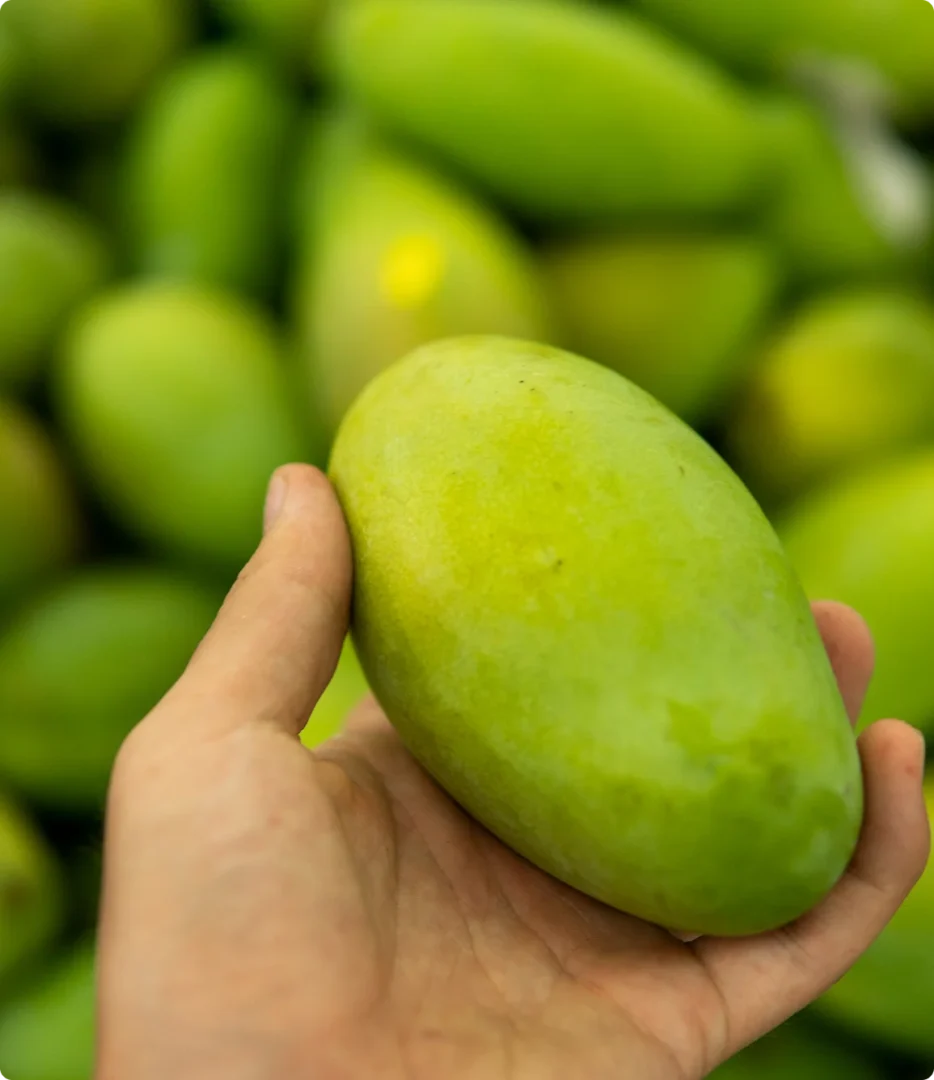
Made from tender baby mangoes (vadu mangai) that are small, whole, and brined in rock salt, turmeric, and red chilli. The texture is firm, slightly crunchy, and intensely flavoured. This is the pickle that defines curd rice in Tamil Nadu.
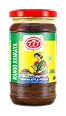
Mango thokku

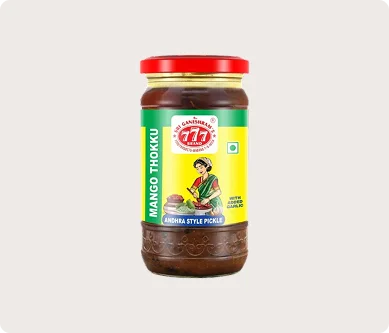
Mango Thokku

A coarsely grated raw mango preparation slow-cooked with gingelly oil, red chilli powder, asafoetida, and mustard. Thokku is the Tamil term for a thick, spreadable pickle. It is more intensely flavoured than fresh mango pickle because the cooking concentrates the spices. Perfect with dosa, idli, or chapati.
Citron Pickle

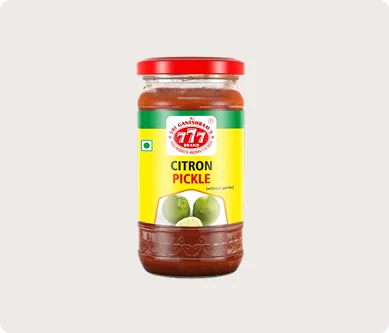
Narthangai Pickle
(Citron Pickle)

A distinctive Tamil pickle made from narthangai, the bitter citron fruit. Combined with salt, red chilli, turmeric, and asafoetida, it has a complex tang unlike any other pickle. Considered a digestive aid in traditional Tamil medicine, narthangai pickle is a staple in brahmin households and temple meals across Tamil Nadu.
Inji pickle

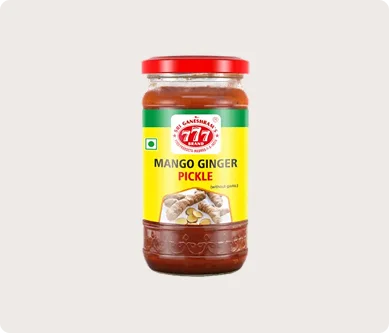
Inji Manga Pickle (Mango Ginger Pickle)

A lesser-known but deeply loved Tamil pickle that combines raw mango with maa inji (mango ginger), a rhizome with a milder, fruitier aroma than regular ginger. The result is a sharp, zesty flavour that pairs perfectly with curd rice.

Andhra-Origin Pickles

— Bold, Spicy, Long-Lasting

Andhra Pradesh has one of the richest pickle traditions in India. The Andhra kitchen treats pickle-making as a near-ceremonial summer activity: families come together to chop mangoes, grind mustard, and fill large ceramic jars. 777 Foods has spent decades perfecting these recipes using the same principles: only raw, firm mangoes; freshly ground mustard; and generous gingelly oil.

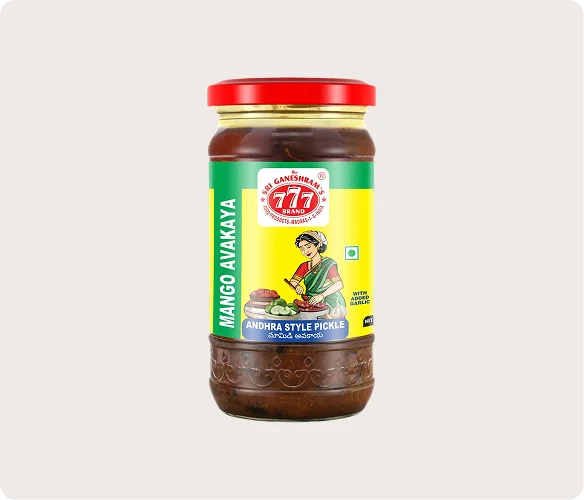
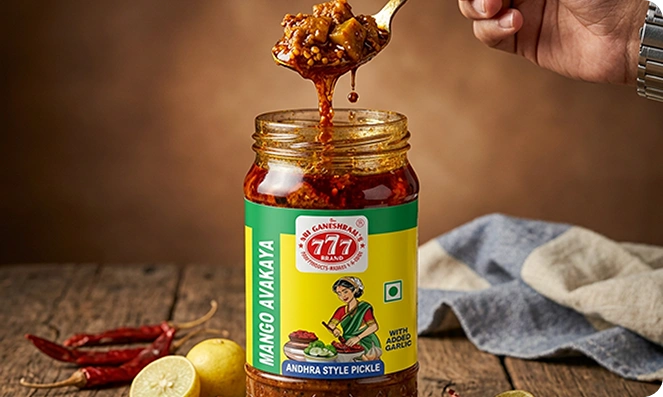
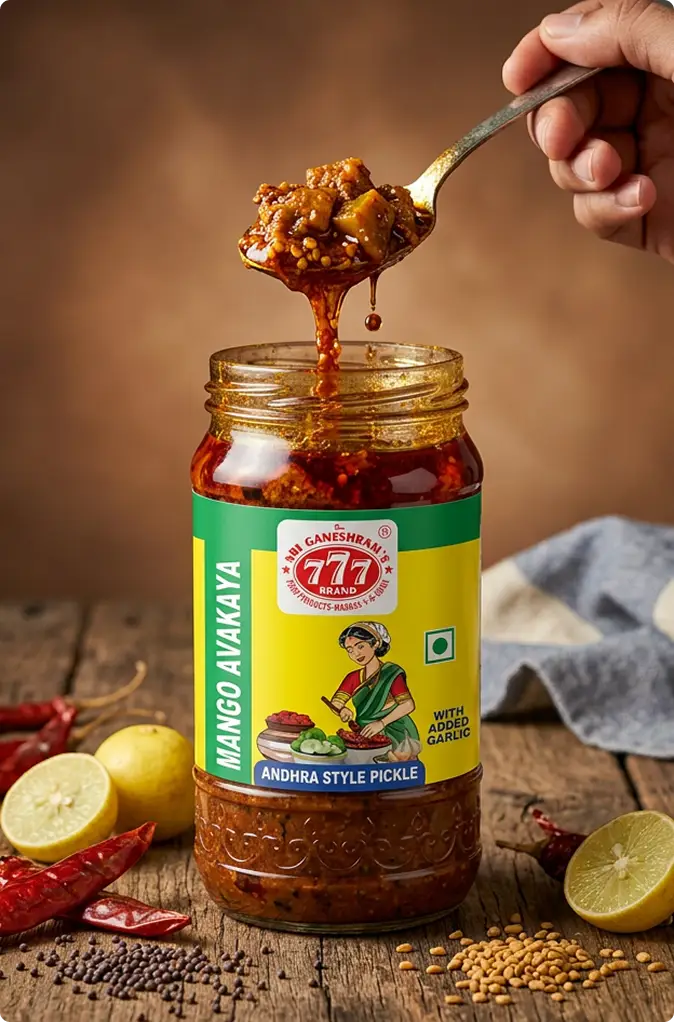
Avakaya Pickle (Andhra Avakaya)

The flagship Andhra mango pickle. ‘Ava’ means mustard and ‘kaya’ means raw fruit in Telugu. Chunky pieces of raw mango are mixed with a heavy blend of mustard seed powder, red chilli powder, fenugreek, turmeric, and salt, then packed in sesame oil to mature. The result is fiery, pungent, and deeply satisfying. This is spicier than most mango pickles. Best with plain rice, ghee, and dal.
Andhra Gongura

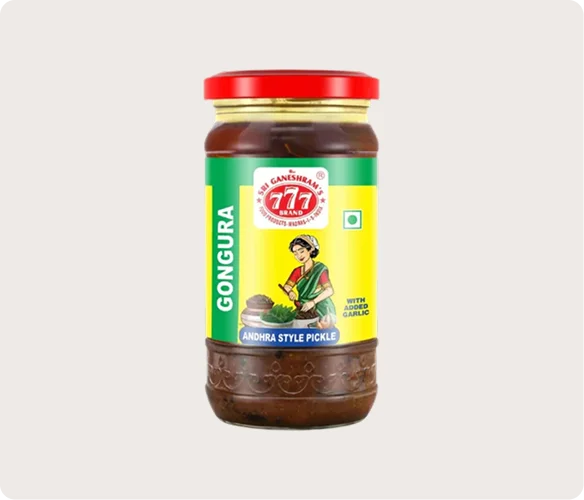
Gongura Pickle (Andhra Gongura Pachadi)

Made from sorrel leaves (gongura), this is one of the most iconic Andhra flavours. Gongura has a natural, intense sourness. Combined with garlic, red chilli, mustard, and gingelly oil, the pickle has a bright, tangy-spicy profile that is completely unlike mango pickles. Essential for Andhra rice meals.
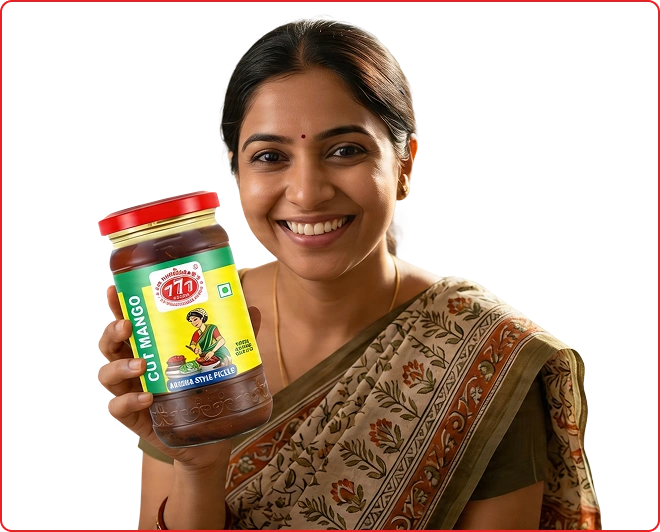
Cut Mango Pickle

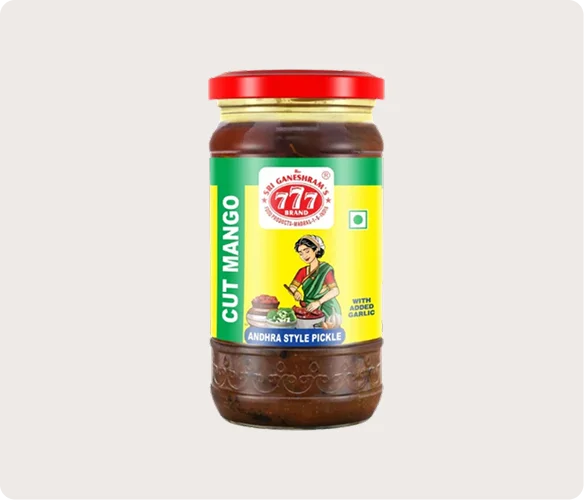
Cut Mango Pickle

A lighter, quicker version of avakaya, made from mango pieces that are pickled with less oil and a gentler spice blend. Available with garlic and without garlic variants to accommodate different preferences.

Cross-Regional Pickles

— Loved Across All South Indian Kitchens

Lemon Pickle

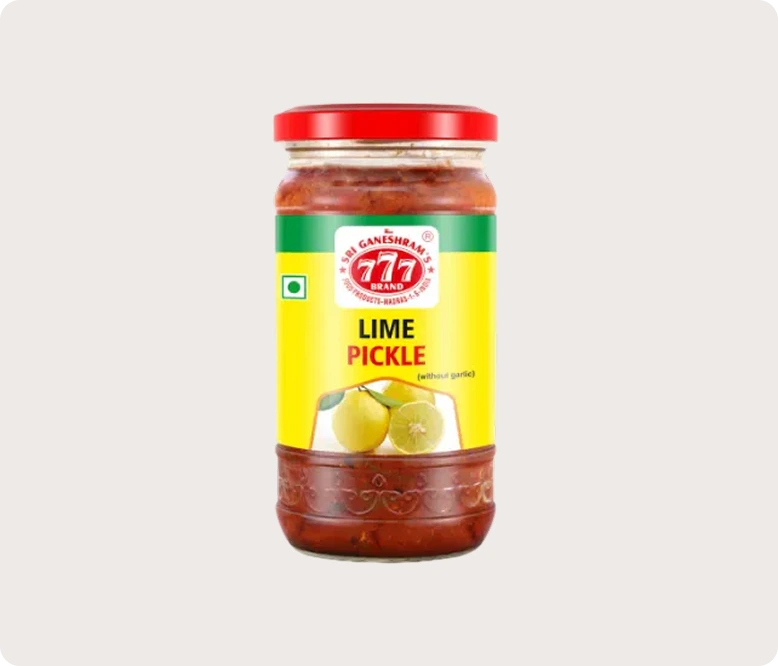
Lemon Pickle

Sun-dried lemons, salt, red chilli powder, turmeric, and asafoetida. A pantry essential that keeps for over a year and goes with everything from dal rice to stuffed parathas.
Garlick Pickle

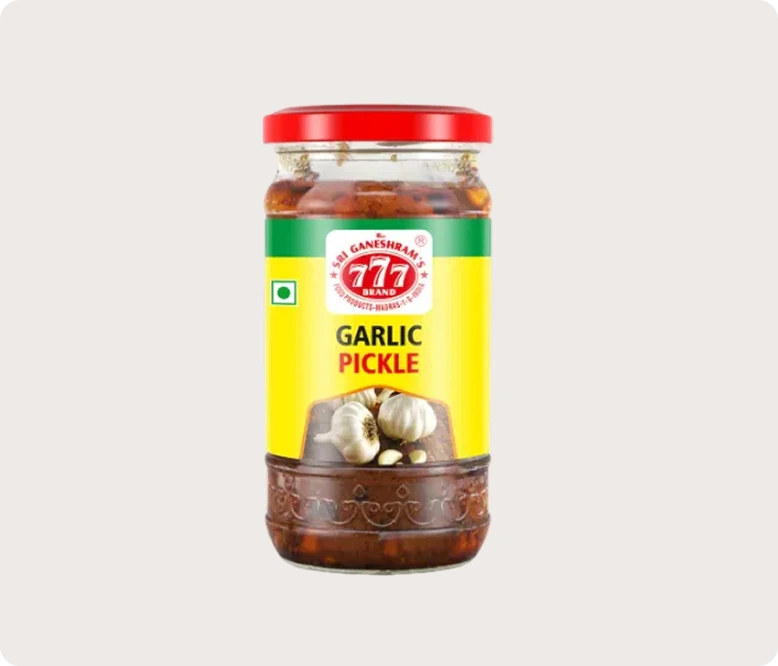
Garlic Pickle

Whole garlic cloves preserved in a spiced tamarind-and-oil base. The garlic softens beautifully over time, taking on the spices while retaining its essential bite. A bold condiment for rice, bread, and dosas.
Tomato Pickle

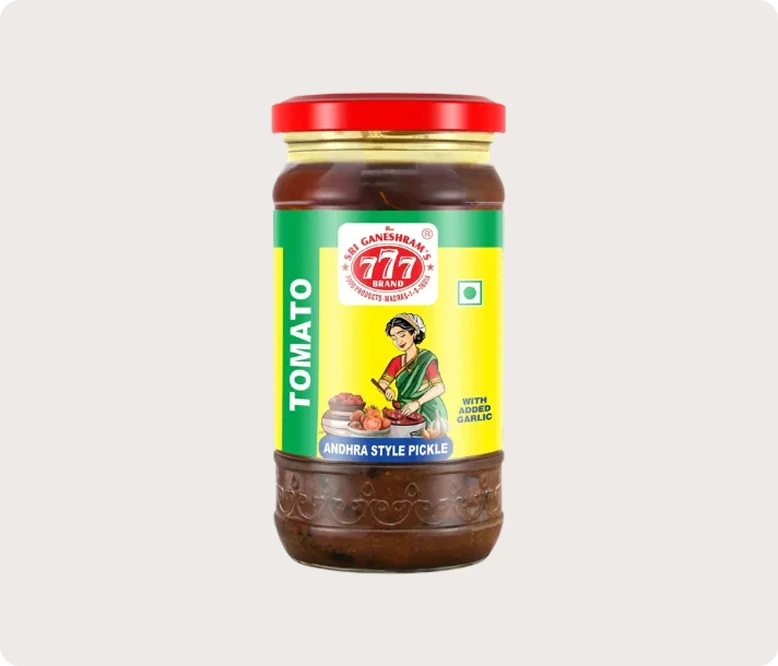
Tomato Pickle

Ripe tomatoes cooked down with red chilli, garlic, and gingelly oil into a thick, sweet-sour-spicy preserve. Pairs with idli, dosa, and serves as a flavour base for quick meals.
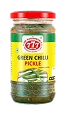
Green Chilli

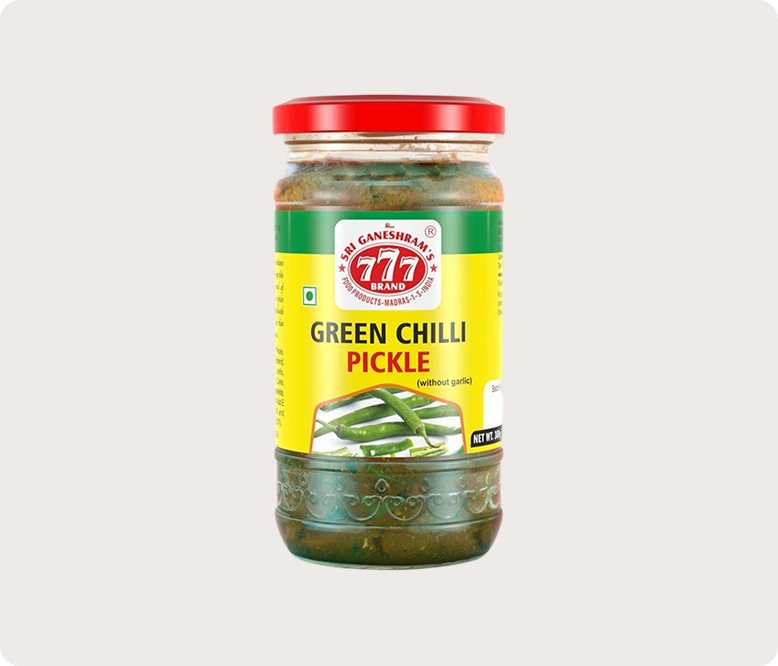
Green Chilli Pickle

Whole or slit green chillies brined in lemon juice, salt, and mustard seeds. A fresh, sharp pickle for those who want heat without the depth of the oil-based varieties.
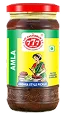
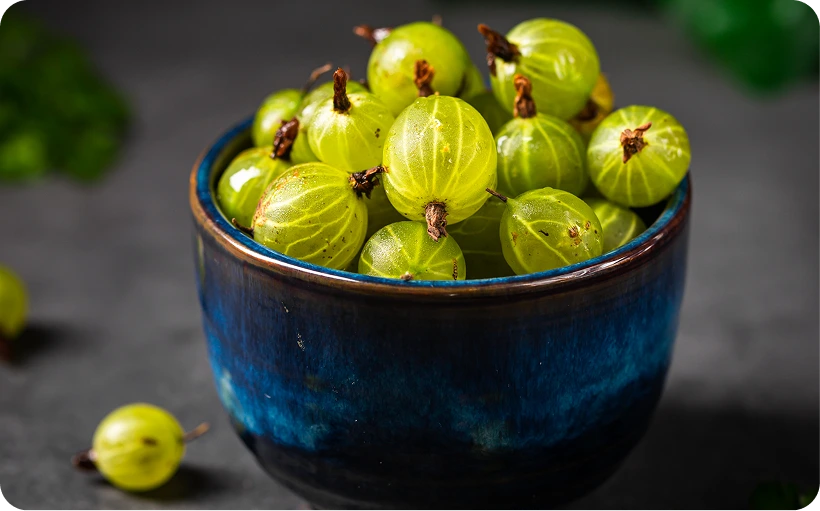
Amla Pickle

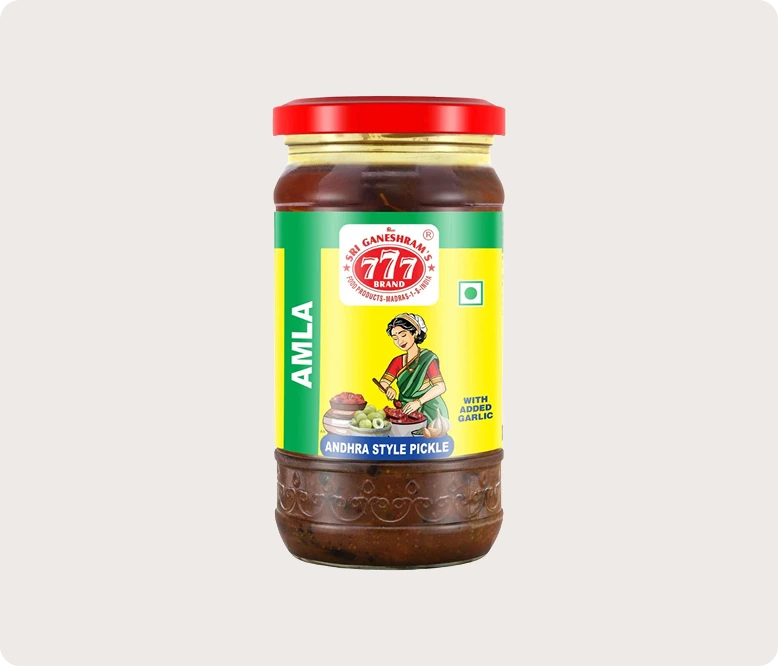
Amla Pickle (Gooseberry Pickle)

Fresh amla (Indian gooseberry) pickled with turmeric, chilli, and salt. Rich in Vitamin C and antioxidants, amla pickle has both culinary and nutritional value.
Onion Pickle

Onion Pickle

Small shallots or onions in a mustard-and-vinegar brine. A natural companion for biryani, chapati, and kebabs.

777 Pickle Varieties at a Glance

— Quick Comparison Guide

Not sure which pickle to order? Use this guide to find the right variety by spice preference, origin style, and pairing.
PICKLE TYPE KEY INGREDIENTS ORIGIN STYLE SPICE LEVEL BEST PAIRED WITH

Vadu Mango Pickle

  • Baby mangoes
  • Rock Salt
  • Red Chilli
  • Mustard
  • Turmeric
Tamil Nadu / Tamil recipe

Medium

Curd rice, Sambar rice

Avakaya Pickle

  • Raw Mango
  • Mustard
  • Red Chilli Powder
  • Sesame Oil
  • Garlic
Andhra / Telugu

Very Hot

Plain rice, Ghee rice

Mango Thokku

  • Grated Raw Mango
  • Red Chilli
  • Sesame Oil
  • Asafoetida
Tamil Nadu / Tamil recipe

Hot

Idli, Dosa, Chappati

Gongura Pickle

  • Sorrel leaves
  • Red Chili
  • Garlic
  • Mustard
  • Sesame Oil
Andhra South India

MEDIUM – Tangy

Rice with Ghee, Roti

Lemon Pickle

  • Lemons
  • Salt
  • Red Chili
  • Turmeric
  • Asafoetida
Pan South India

Mild – Medium

Rice, Paratha, Dal

Garlic Pickle

  • Garlic
  • Tamarind
  • Red Chilli
  • Sesame Oil
  • Mustard
South Indian

Medium

Chapati, Dosa, Rice

Tomato Pickle

  • Ripe Tomatoes
  • Red Chilli
  • Garlic
  • Gingelly Oil
Tamil Nadu/Andhra

Medium

Idli, Dosa, Rice

Green Chilli Pickle

  • Green Chillies
  • Lemon
  • Salt
  • Mustard
  • Turmeric
Pan India/South

Very HOT

Roti, Rice, Paratha

Narthangai Pickle

  • Citron
  • Salt
  • Chilli
  • Turmeric
  • Asafoetida
Tamil Nadu Exclusive

TANGY MILD

Curd Rice, Meals

Amla Pickle

  • Gooseberry
  • Salt
  • Chilli
  • Turmeric
  • Sesame Oil
Pan India

MILD

Rice, Roti, Dal

How 777 Pickles Are Made

— The Traditional Process

Most commercially produced pickles use accelerated processing, artificial acidulants, chemical preservatives like sodium benzoate, and refined vegetable oils that extend shelf life but diminish flavour. The 777 approach is different, and deliberately so.
Step 1
Ingredient Selection

Only firm, unripe raw mangoes are used for mango pickles, typically the Totapuri variety for cut mango and avakaya, and locally sourced baby mangoes (vadu mangai) for the maavadu pickle. Mangoes are sourced seasonally, washed thoroughly, and dried completely before processing. Any trace of moisture at this stage can compromise the entire batch.

Step 2
Sun-Drying

Cut mango pieces and whole baby mangoes are sun-dried to remove surface moisture and begin the natural concentration of flavour. This is a traditional technique that commercial processors skip. Sun-drying is what gives 777 pickles their deeper, more developed flavour compared to fresh-pickle alternatives.

Step 3
Spice Blending

The spice blend is prepared fresh for each batch. Red chilli powder sourced from quality Guntur or Byadgi varieties provides the heat and deep red colour. Mustard seeds are roasted and ground in-house. Fenugreek, turmeric powder, cumin powder, coriander powder, and perungayam powder (asafoetida) are measured and blended to the established 777 recipe, a formula that has remained consistent since the company’s founding.

Step 4
Chekku-Pressed Gingelly Oil

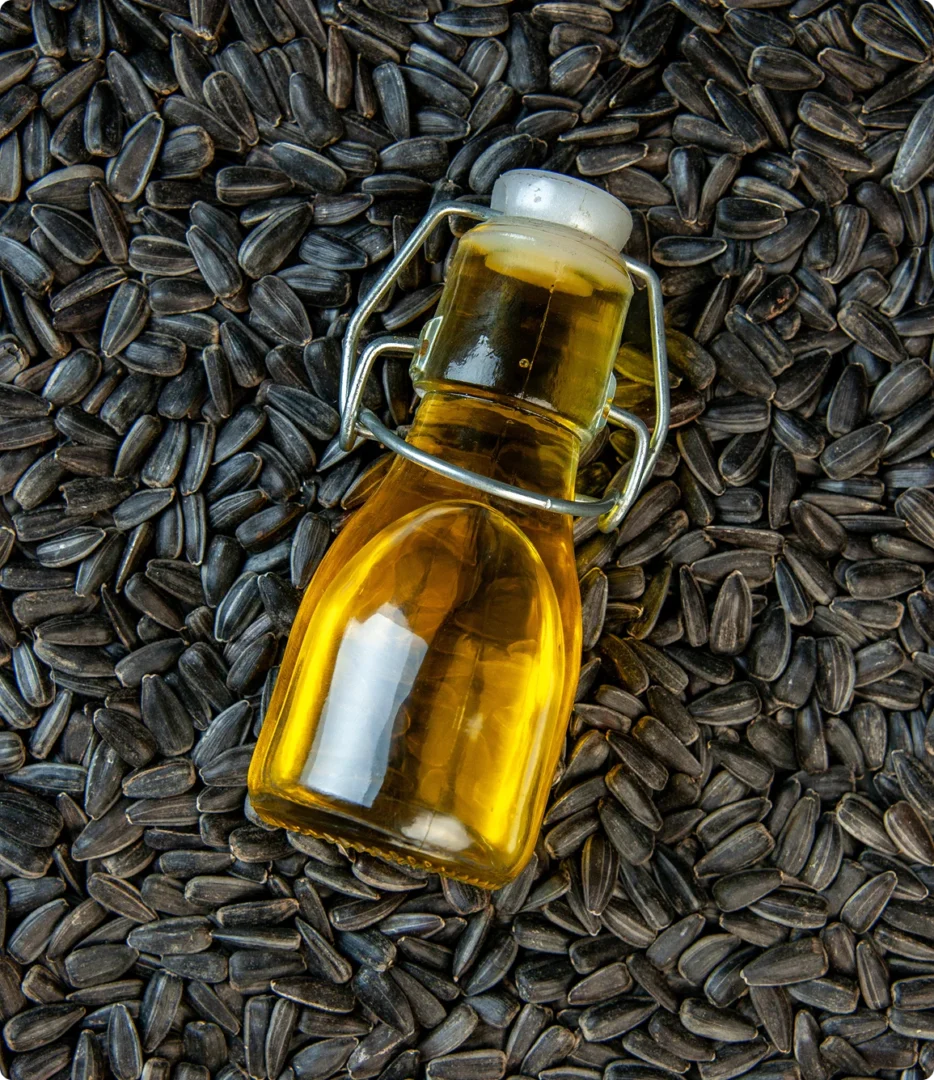
The preserving medium matters enormously. 777 uses chekku-pressed gingelly oil, also known as nalla ennai in Tamil, or sesame oil, for its distinctive flavour, its natural shelf-extending properties, and its alignment with traditional South Indian pickle-making. Chekku-pressed oil retains more natural antioxidants than refined oil, and it is the oil that gives South Indian pickles their characteristic depth of taste.

Step 5
Mixing, Maturing, and Packing

Spiced and oiled pickles are packed into clean, dry jars and allowed to mature. During maturation, the salt draws out liquid from the fruit and spice flavours penetrate deeply. This is not a fast process, which is why authentic pickles taste different from freshly assembled versions. At the 777 FSSAI-certified facility in Gummidipoondi, this process is carried out under laboratory-monitored conditions that trace back to the standards established when Sri Ganeshram’s Analytical Laboratory was founded in 1970.

Key Ingredients in 777 Pickles

— What Goes In and Why It Matters

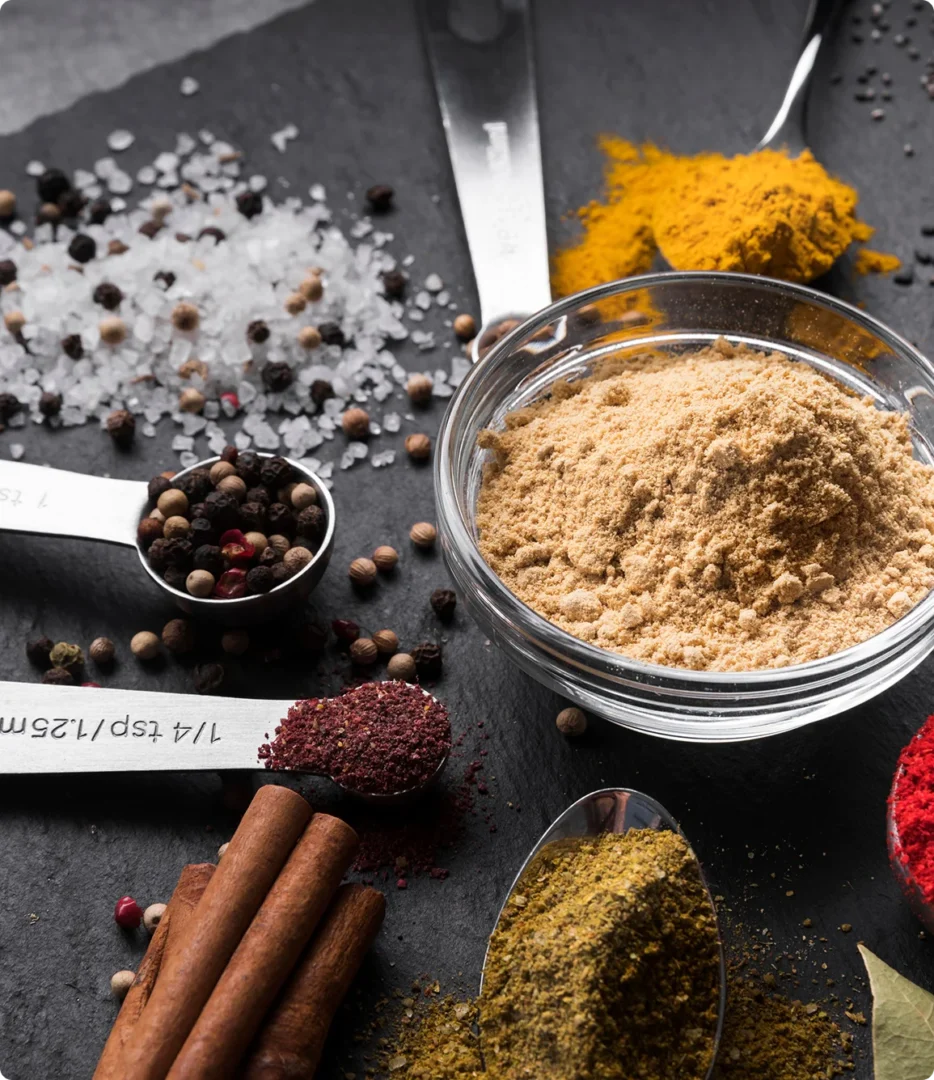
Every spice and ingredient in a 777 pickle serves a purpose, culinary, chemical, or historical. Understanding these ingredients helps explain why South Indian pickles made with chekku-pressed oil and traditional spices taste and taste differently from their commercial counterparts.
Red Chilli powder
Metabolism boost, antioxidants
Red Chilli Powder
Milagai Thool
ROLE IN PICKLE
Colour
Colour
Heat
Preservation
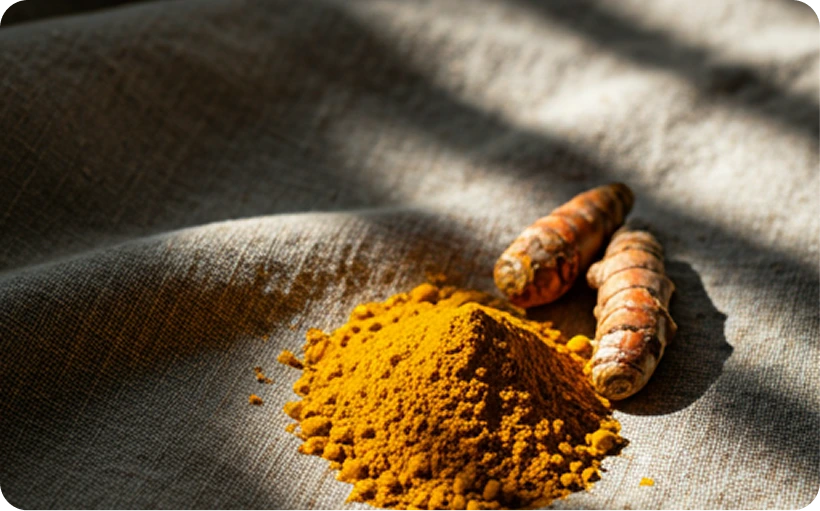
Turmeric Powder

Anti-inflammatory,
antimicrobial

Turmeric Powder
Manjal Thool
ROLE IN PICKLE
Colour
Colour
Heat
Preservation
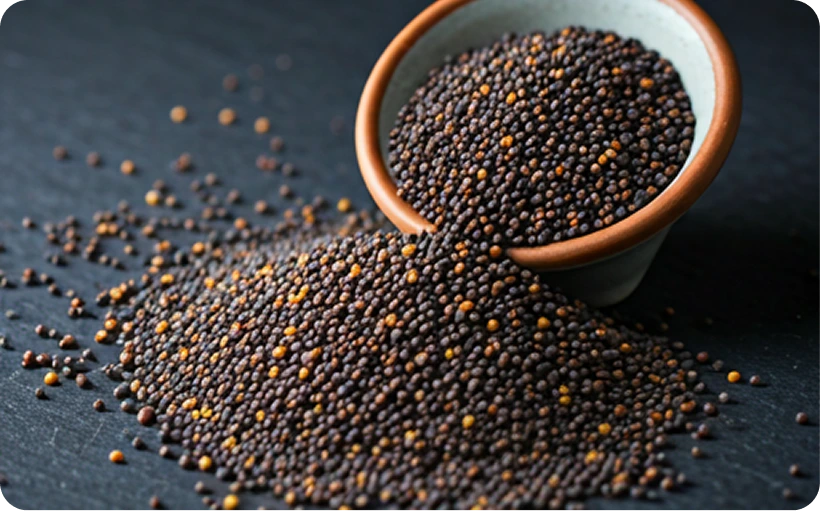
Mustard seed
Antioxidants, omega-3 fatty acids
Mustard Seeds
Kadugu
ROLE IN PICKLE
Colour
Tempering
Preservation
Asafoetida (Perungayam)
Digestive aid, anti-flatulent
Asafoetida (Perungayam)
Perungayam Thool
ROLE IN PICKLE
Colour
Flavour
Anti-bloating agent
Gingelly / Sesame Oil
Heart-healthy, antioxidant-rich
Gingelly / Sesame Oil
Nalla Ennai
ROLE IN PICKLE
Colour
Preserving medium
Flavour
Rock Salt / Sea Salt
Mineral trace elements
Rock Salt / Sea Salt
Kal Uppu
ROLE IN PICKLE
Colour
Preservation
Flavour base
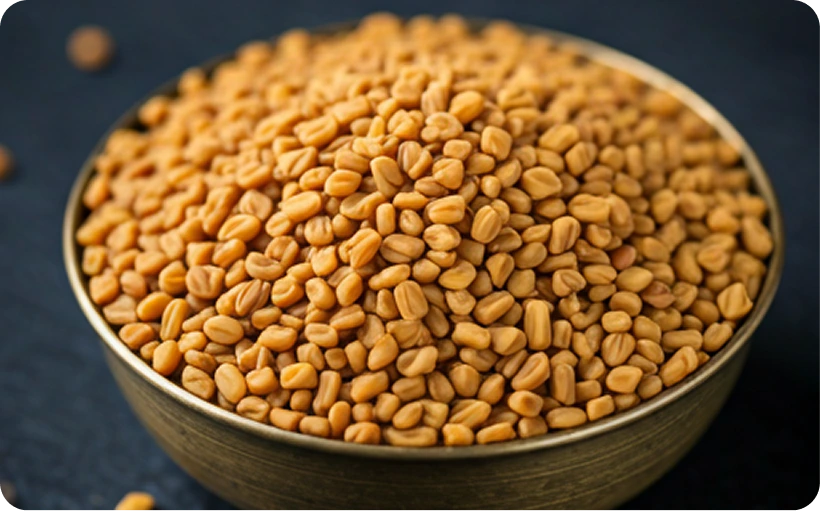
Fenugreek (Methi)
Blood sugar regulation
Fenugreek (Methi)
Vendhayam
ROLE IN PICKLE
Colour
Bitterness balance
Depth
Digestive, anti-inflammatory
Coriander Powder
Kothamalli Thool
ROLE IN PICKLE
Colour
Flavour
Body
Tamarind
Rich in B vitamins, iron
Tamarind
Puli
ROLE IN PICKLE
Colour
Sourness
Binding Flavour
Cumin Powder
Digestive enzyme support
Cumin Powder
Jeeraga Thool
ROLE IN PICKLE
Colour
Earthy depth
Aroma

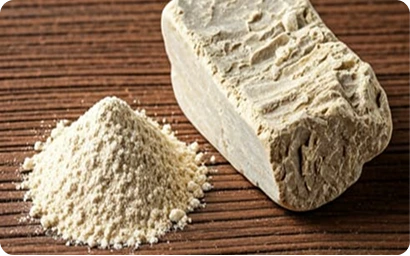
A Note on Asafoetida (Perungayam Powder)

Asafoetida deserves specific mention. In Tamil, it is called perungayam, and is a defining flavour of South Indian cooking. In pickles, it does two things: adds a deep, savoury umami note that rounds out the heat of the chilli; and acts as a natural digestive agent, reducing the bloating that can sometimes accompany heavily spiced food. 777 perungayam powder is available separately for kitchen use and is also used across our full pickle range.

Why 777 Brand Is the Authentic Choice for South Indian Pickles

The Indian pickle market in 2025 includes many options, large national brands, D2C startups, homemade artisan producers. Here is where 777 Foods stands in relation to those alternatives.

Heritage vs New Entrants

Most ‘artisanal’ pickle brands in India were founded in the 2010s or 2020s and position nostalgia as a brand attribute. 777 Foods was actually manufacturing pickles in 1954, predating the current homemade pickle trend by more than 60 years. The brand is not evoking tradition; it is tradition. The recipes in use today trace directly back to the Ganeshram family’s original formulations.

South Indian Specificity vs Mass Market Brands

Major national pickle brands are primarily North Indian in orientation, their mango pickles use mustard oil, onion seeds, and saunf, which are Punjabi and UP-style preparations. For authentic South Indian pickles, vadu mango pickle with turmeric and gingelly oil, mango thokku with perungayam and curry leaves, and narthangai pickle, you need a Tamil brand. 777 is Tamil, and its recipes reflect that.

Ingredient Transparency

Chekku-pressed gingelly oil

Not Refined Vegetable Oil or Palm Oil

No artificial preservatives

No Sodium Benzoate, No Potassium Sorbate

FSSAI-certified production

Regular Audits and Compliance

In-house quality laboratory

Since 1970, Testing every batch against standardised benchmarks

Consistent recipe formulations

The same spice ratios that have been used for 70 years

Pickle

What Customers Say:

‘777 Pickles are the best choice for sambar rice and curd rice.’, Customer review, sgr777foods.com

The 777 Pickle Pairing Guide

What Goes with What

Indian food pairings are precise; the right pickle with the right dish makes the meal. Here is a practical guide to matching 777 pickles with everyday South Indian cooking.

Rice Meals

Curd rice
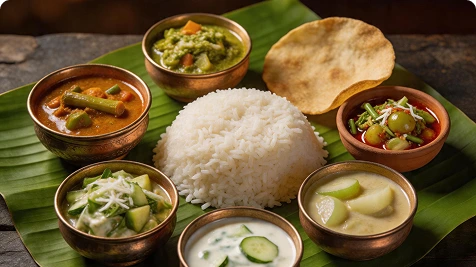
Curd Rice (Thayir Sadam): Vadu Mango Pickle is the classic pairing. The firm, tangy baby mango with cold curd rice is a combination that defines everyday Tamil eating.
Plain Rice
Plain Rice + Ghee: Avakaya Pickle. The bold, spicy-mustard Andhra pickle cuts through the richness of ghee and turns simple, plain rice into a full meal.
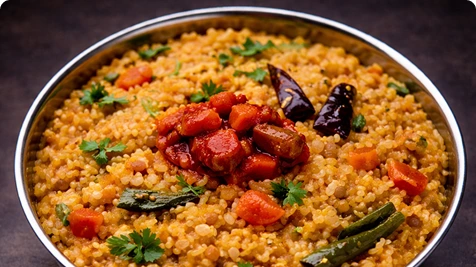
Sambar rice
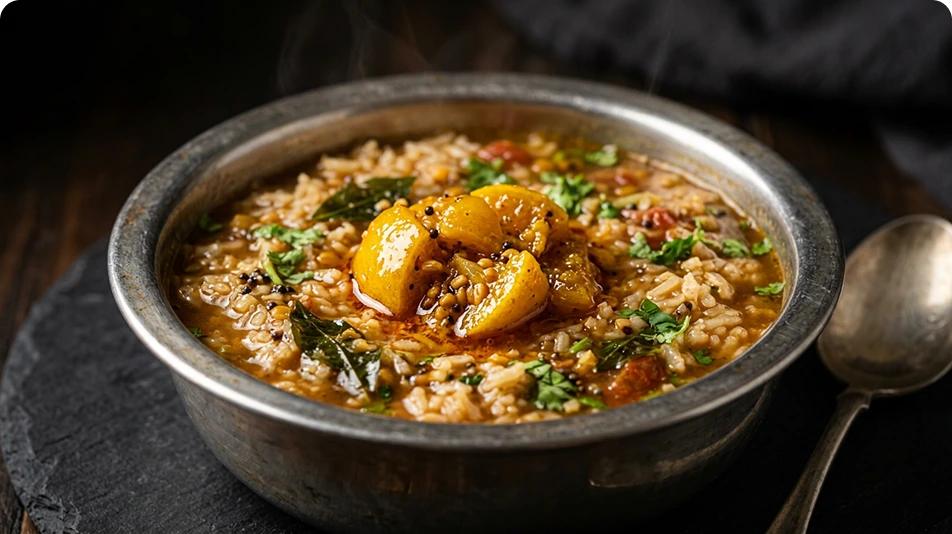
Sambar Rice: Either cut mango pickle or a small serving of lemon pickle. The sourness amplifies the tamarind notes in the sambar.
Rasam Rice
Rasam Rice: Lemon pickle or garlic pickle. Both add an acidic contrast that complements the pepper heat of rasam.

Tiffin, Idli, Dosa, Vada

Idle
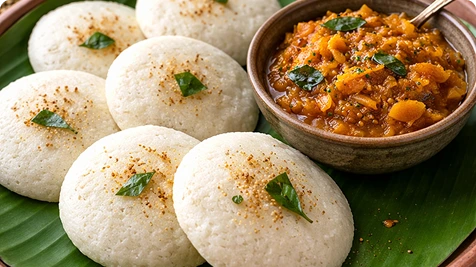
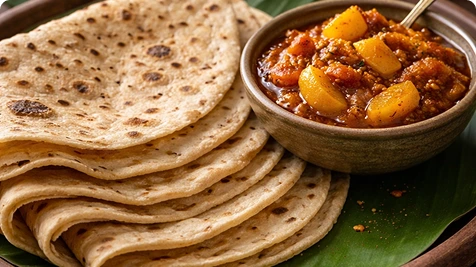
Idli: Mango Thokku. The spreadable texture and intense flavour pair perfectly with soft idlis as an alternative to coconut chutney.
Dosa
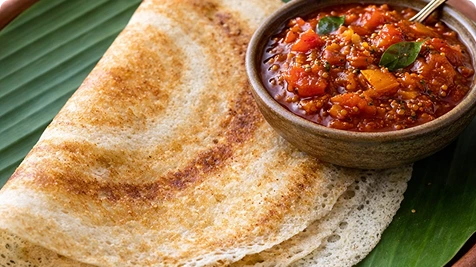
Dosa: Tomato Pickle or Garlic Pickle. Both have enough body to complement the crispness of a well-made dosa.
Medu vada
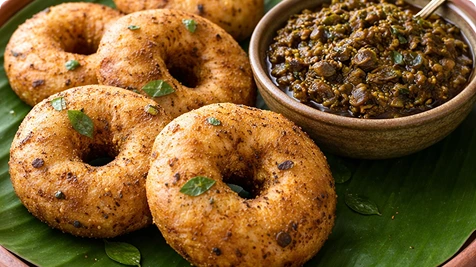
Medu Vada: Gongura Pickle. The sharp, tangy sorrel flavour complements the savoury, fried vada.

Breads, Chapati, Paratha, Roti

Chapatti
Chapati / Roti: Lemon Pickle, Garlic Pickle, or Green Chilli Pickle. All three provide enough acidity and heat to cut through the wheat flour.
Paratha
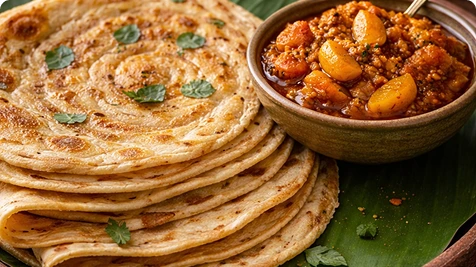
Paratha: Garlic Pickle or Mixed Pickle. The robust, oily garlic pickle is a north-meets-south pairing that works across cuisines.

Special Occasions

Festival Rice meal
Festival Rice Meals (Sadya): Narthangai Pickle or Amla Pickle. These are the traditional festival pickles, milder and digestive, suited to large meals.
Tiffin Boxes
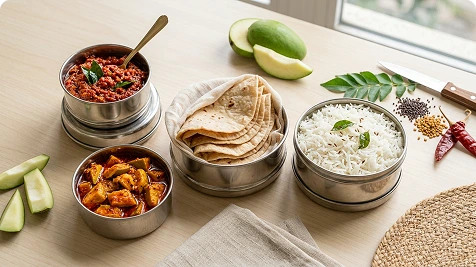
Travel and Tiffin Boxes: Mango Thokku or Cut Mango Pickle. Both travel well without refrigeration and pair with plain rice or chapati.

How to Buy 777 Pickles Online

— Simple, Fast, Reliable

Every variety in the 777 Pickles range is available to buy online with pan-India delivery. Here is what you need to know before ordering.
Looking for bulk orders, gifting, or B2B wholesale supply? Contact us directly at the link below.
777 sgr logo
Pickle

How to Store Your 777 Pickles

Getting the Best Shelf Life

South Indian pickles made with chekku-pressed oil and proper salt levels have excellent natural shelf life, but correct storage matters. Follow these guidelines to keep your jar in perfect condition.

Traditional Wisdom:

The oil-salt combination in a traditional South Indian pickle is itself a preservation system, it is why our grandmothers’ pickle jars lasted a full year without refrigeration.

Pickles and Health

What the Traditional Tamil Kitchen Always Knew

Modern nutrition research is beginning to confirm what traditional South Indian food culture understood intuitively: fermented and brined foods support digestive health. 777 pickles, made with traditional cold-fermentation methods, share many of the properties that make traditional Indian condiments nutritionally meaningful.

Natural Probiotics and Gut Health

Fermented pickles, particularly vadu mango pickle and lemon pickle, which rely on natural salt-fermentation rather than cooking, contain naturally occurring beneficial bacteria. These are the same classes of microorganisms associated with improved gut microbiome diversity. This does not make pickle a health food per se, but it does mean that the traditional Tamil practice of eating a small amount of pickle with every meal had genuine digestive logic behind it.
Health

Spice Benefits

Turmeric powder

Turmeric powder

Contains curcumin, a documented anti-inflammatory compound; used in every 777 pickle as a colouring and antimicrobial agent
Feungreek

Fenugreek (methi seeds)

Associated with blood sugar regulation; used in small amounts as a balancing spice in avakaya and lemon pickles
Asafoetida

Asafoetida (perungayam)

Traditional digestive aid; reduces flatulence and bloating; used in virtually all South Indian pickles
Mustard seeds

Mustard seeds

Contain selenium and omega-3 fatty acids; the foundational tempering ingredient in South Indian oil pickles
Amla

Amla (gooseberry) pickle

One of the highest natural sources of Vitamin C in the Indian diet; also rich in iron and antioxidants

A Note on Moderation

Pickles are condiments, not main dishes. They are high in sodium, which makes moderate consumption sensible for individuals managing blood pressure or kidney health. The traditional serving size, a teaspoon or tablespoon alongside rice, is exactly the right proportion: enough to flavour, not enough to create concern.

Frequently Asked Questions

777 Vadu mango pickle is made with genuine Vadu mangai (baby mangoes) sourced seasonally, using chekku-pressed gingelly oil and traditional Tamil spice ratios that have been consistent since 1954. No artificial preservatives or synthetic colouring are used. Most mass-market brands use refined oil and standardised chemical preservation. The texture and flavour of a properly matured vadu mango pickle is markedly different, firmer, more intensely flavoured, and longer-lasting.
Can I buy pickles online and get them delivered across India?
Yes. All 777 pickles are available to order online at sgr777foods with pan-India delivery. Orders from Tamil Nadu and neighbouring states typically arrive in 2–4 business days. Delivery to northern and eastern India takes 4–7 business days. All jars are leakproof-sealed for transit.
What is the difference between avakaya pickle and vadu mango pickle?
Avakaya is an Andhra-origin mango pickle made from chunky pieces of raw mango with a heavy mustard-and-chilli spice blend in sesame oil. It is bold, very spicy, and oil-rich, designed to last a full year. Vadu mango pickle is a Tamil Nadu tradition made from whole baby mangoes brined in salt, turmeric, red chilli, and mustard, less oily, with a firmer texture and a fresh, tangy flavour. Avakaya pairs with plain rice; vadu mango pickle is the traditional companion of curd rice.
Are 777 pickles free from artificial preservatives?
Yes. 777 pickles are made without artificial preservatives such as sodium benzoate or potassium sorbate. The natural preservation comes from the combination of salt, chekku-pressed oil, and the antimicrobial properties of spices like turmeric and chilli. This is the same principle that allowed traditional Indian pickle-making to produce shelf-stable products for centuries.
What oil is used in 777 pickles?
777 pickles are made with chekku-pressed gingelly oil, known in Tamil as nalla ennai, and as sesame oil or til oil more broadly. Chekku-pressed oil retains the natural antioxidants and flavour compounds that are lost in the refining process. It is the traditional oil used in South Indian pickle-making and is a significant contributor to the distinctive taste of our pickles.
Which 777 pickle is best for curd rice?
Vadu mango pickle (maavadu pickle) is the classic accompaniment for curd rice in Tamil households. The baby mangoes are firm and hold their texture well in the cold, creamy environment of curd rice. A close alternative is lemon pickle, which provides a milder, cleaner sourness. Both are available in the 777 range.
How long does 777 pickle last after opening?

An opened jar of 777 pickle, stored correctly, will remain in excellent condition for 3–6 months. Store in a cool, dry place and always use a dry spoon. Keeping the oil layer on top of the pickle after each use significantly extends freshness. For extended storage after opening, refrigeration is recommended.

Is 777 a traditional Tamil pickle brand or a national brand?
777 Foods is Tamil in origin and heart. Founded in Chennai in 1954, manufactured in Gummidipoondi, Tamil Nadu, and is built on traditional Tamil recipes that have been maintained for over 70 years. While the brand is available nationally and internationally, its foundation is South Indian, specifically the Tamil food tradition, which is reflected in the pickle varieties it makes and the ingredients and methods it uses.
What is the best pickle to buy online for an Andhra-style meal?
For a traditional Andhra rice meal, avakaya pickle is the essential choice; its bold mustard-and-chilli profile and oil richness are fundamental to Andhra cuisine. Gongura pickle is the second essential, particularly for those who want the characteristic sourness of sorrel in their meals. Both are available online from the 777 range.
Do 777 pickles contain garlic? Are there garlic-free options?
Several 777 pickles contain garlic; avakaya pickle with garlic is a popular variant, as is garlic pickle itself. However, garlic-free versions are available for key varieties, including avakaya (cut mango) and gongura pickle, catering to households that follow a sattvic diet or prefer garlic-free cooking. Product listings on this page indicate whether garlic is included.
Cart

Create your account

Select the fields to be shown. Others will be hidden. Drag and drop to rearrange the order.
  • Image
  • SKU
  • Rating
  • Price
  • Stock
  • Availability
  • Add to cart
  • Description
  • Content
  • Weight
  • Dimensions
  • Additional information
Click outside to hide the comparison bar
Compare