

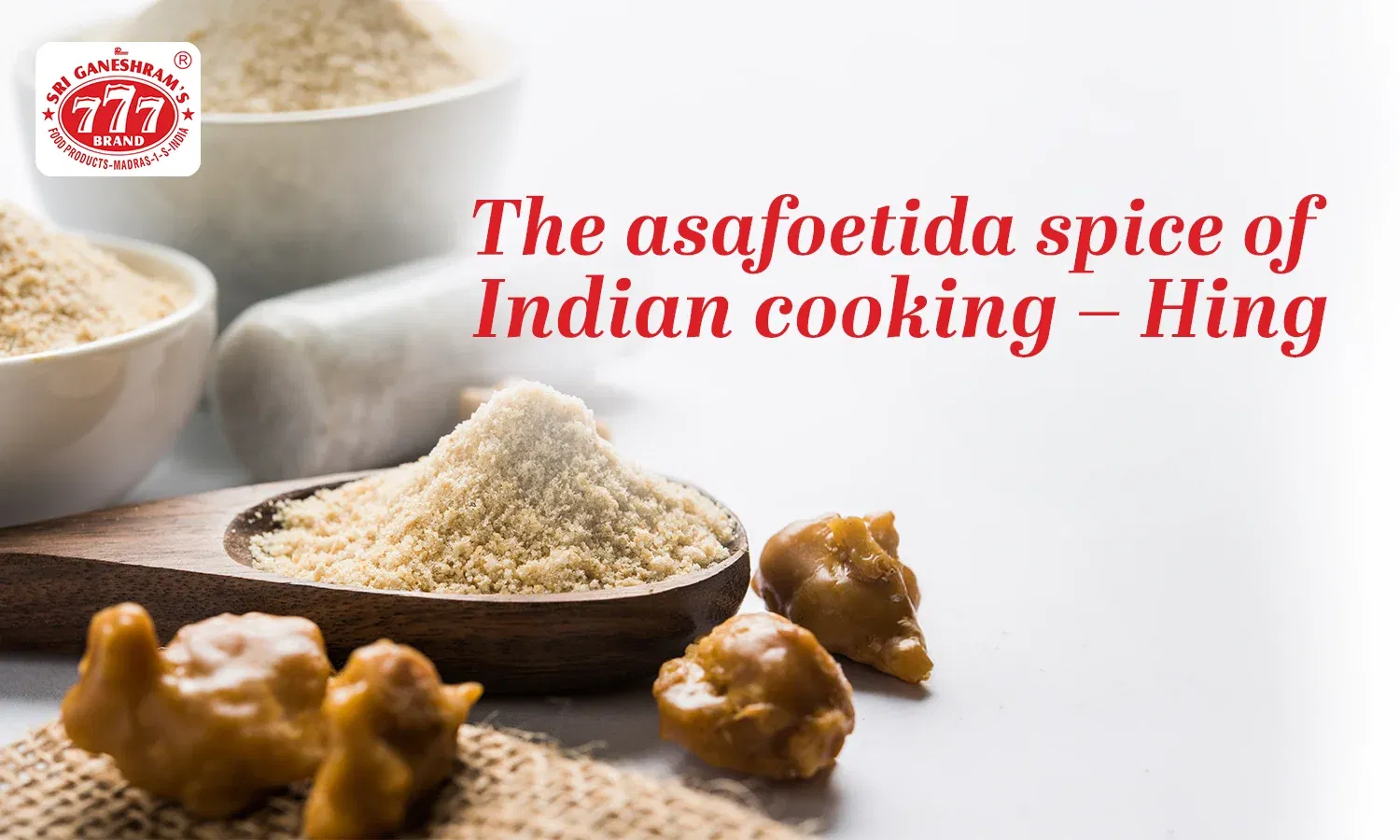
If you’ve ever cooked a simple dal or vegetable dish, you’ve probably seen a recipe that calls for a tiny pinch of hing. This strong-smelling ingredient is known as the asafoetida spice, and it plays an important role in Indian kitchens.
Though it is used in very small amounts, the asafoetida spice can completely change the flavour of a dish. It adds depth, improves digestion, and often replaces onion and garlic in certain cuisines. Let’s understand what makes this spice so unique.
What Is Asafoetida Spice?
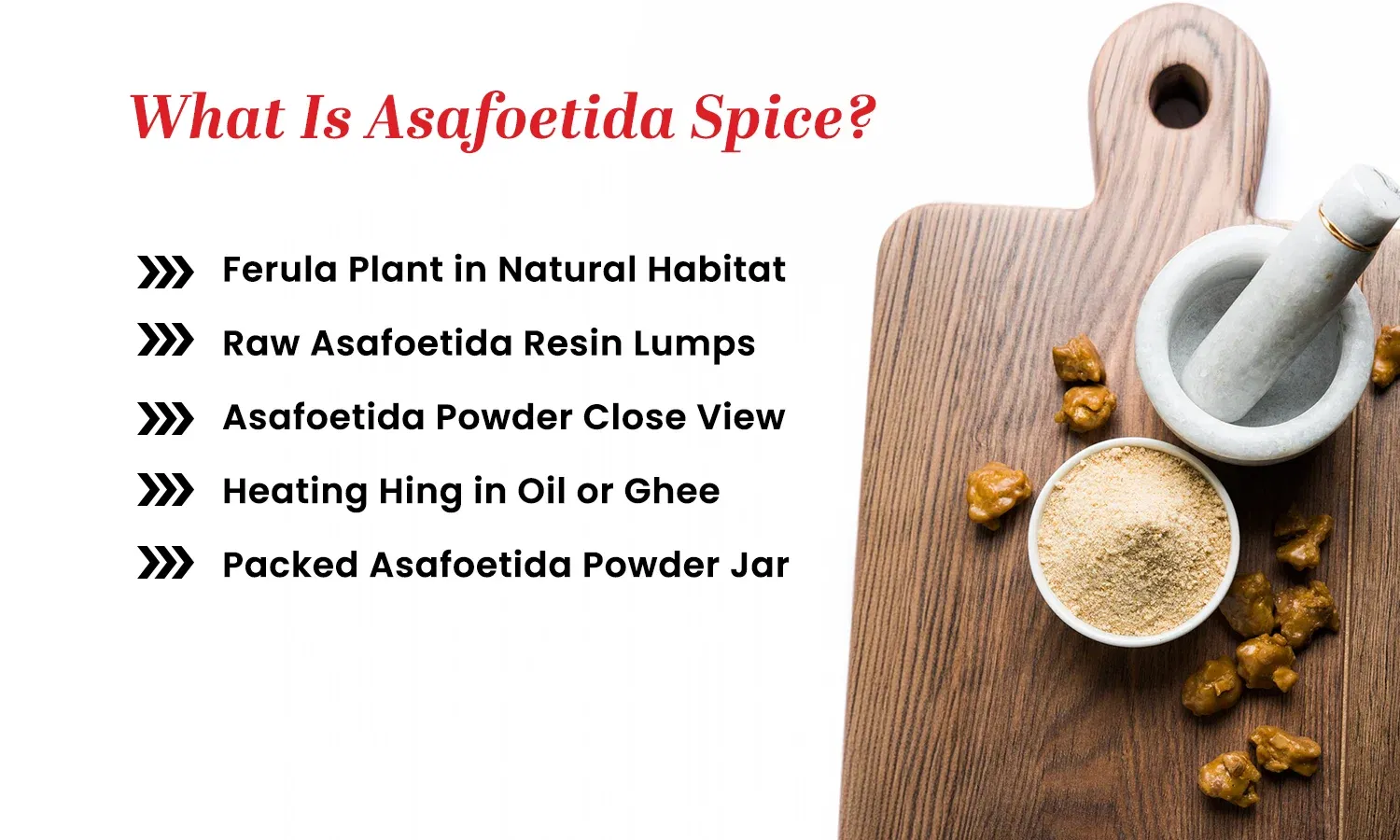
The asafoetida spice comes from the dried resin of the Ferula plant. This plant grows mainly in regions of Iran, Afghanistan, and parts of Central Asia. The resin is collected, dried, and processed into either lumps or powder.
Many people ask, is asafoetida a spice or a herb? In the kitchen, it is treated as a spice because it is used in very small amounts to enhance flavour. This asafoetida hing spice is known for its strong aroma in raw form.
In fact, the raw spice asafoetida has a sharp, sulfur-like smell. But once it is heated in oil or ghee, the smell changes into a savoury, onion-like aroma. That is why hing asafoetida is often used as a substitute for onion and garlic in certain traditional diets.
Today, it is commonly sold as asafoetida powder, which is easier to measure and store than the pure resin.
How Is Asafoetida Used in Indian Cooking?
The asafoetida spice is a staple in many vegetarian dishes. It is especially common in lentils, vegetable curries, pickles, and spice blends.
This asafetida indian spice, is valued for two main reasons:
- It adds a savoury depth similar to onion and garlic.
- It helps reduce gas and bloating, which is why many people use asafoetida for gas in lentil-based dishes.
In traditional asafoetida indian cooking, it is added during tempering, also called tadka. The spice is heated in oil or ghee for a few seconds before other ingredients are added. This process releases its flavour and removes the harsh raw smell.
Because of its strong taste, asafetida use always follows the “pinch rule.” Even a tiny amount is enough for an entire pot of food.
How You Can Easily Use Asafoetida in Cooking
If you are new to the asafoetida spice, using it is simple once you know the basics.
The Basic Tadka Method
- Heat a spoonful of oil or ghee in a pan.
- Add mustard or cumin seeds.
- Lower the heat and add a tiny pinch of hing.
- Let it sizzle for a few seconds.
- Add vegetables, lentils, or pour the mixture over cooked food.
This is the most common method used in everyday asafoetida cooking.
Other Easy Ways to Use It
- Dissolve a pinch in warm water before adding to soups.
- Mix a small amount into buttermilk for digestion.
- Add it to the gram flour batter for fritters.
These methods show asafoetida how to use it in simple, practical ways.
Because of its strong aroma, always store it in an airtight container. If you plan to buy it, you can easily find asafoetida online from trusted brands.
Key Takeaways
- The asafoetida spice is a dried resin used in Indian cooking.
- It has a strong smell when raw but a savoury taste when cooked.
- Commonly used in dals, vegetables, and pickles.
- Helps improve digestion and reduce gas.
- Only a small pinch is needed for most dishes.
Conclusion
The asafoetida spice may look simple, but it carries deep flavour and tradition. Used in tiny amounts, it transforms everyday dishes and supports digestion. From dals to pickles, this asafoetida in food shows how a small ingredient can have a big impact.
Whether you’re cooking a classic dal or trying new recipes, adding a pinch of this asafoetida indian spice can bring authentic taste to your meals.
FAQs
What Does Asafoetida Taste Like?
Raw asafoetida spice has a very strong and sharp smell. But once it is cooked in oil or ghee, it develops a mild, savoury flavour similar to onion and garlic.
What Is the Spice Asafoetida Used For?
The asafoetida spice is mainly used to add flavour and improve digestion. It is commonly added to lentils, vegetable dishes, and pickles.
When to Use Asafoetida in Cooking?
The asafoetida spice is usually added during the tempering stage. It is heated in oil or ghee for a few seconds before other ingredients are added.
Can We Use Asafoetida Daily?
Yes, the asafoetida spice can be used daily in small amounts as part of regular cooking. Since it is very strong, a tiny pinch is enough for most meals.