


Health Benefits of Soya Sauce
The Benefits of Soy Sauce mainly come from naturally fermented varieties that develop bioactive compounds during long brewing. When used in small amounts as a flavour enhancer, soy sauce can support digestion, add antioxidants, and improve overall taste without adding many calories. However, it should never be treated as a primary nutrition source due to its high sodium content.
One of the key advantages of soy sauce is that it delivers strong umami flavour, helping reduce the need for extra salt in cooking. This makes it useful for seasoning dishes efficiently, provided portion sizes are controlled.
Soy Sauce Nutritional Value
From a nutritional point of view, soy sauce is low in calories, fat, and carbohydrates. A tablespoon contains roughly 8–10 calories, small amounts of protein, and trace minerals, but sodium remains the dominant nutrient. This is why many people ask is soy sauce good for health—the answer depends on how frequently and how much you use it.
Low-sodium varieties reduce salt by nearly half and are a better option for daily meals. Understanding soy sauce ingredients, such as soybeans, wheat, salt, water, and fermentation cultures, helps consumers make informed choices, especially when buying a soy sauce bottle for home use.
Antioxidant Properties of Soya Sauce
Naturally brewed soy sauce contains strong antioxidant compounds formed during fermentation. Darker varieties, in particular, develop melanoidins, isoflavones, and phenolic compounds that help neutralise free radicals in the body. This explains the growing interest in dark soy sauce benefits compared to lighter versions.
While studies show high antioxidant activity in laboratory tests, soy sauce is consumed in small quantities. Therefore, its antioxidant role should be viewed as supportive rather than a primary source, contributing modestly to overall dietary protection.
Benefits of Soya Sauce
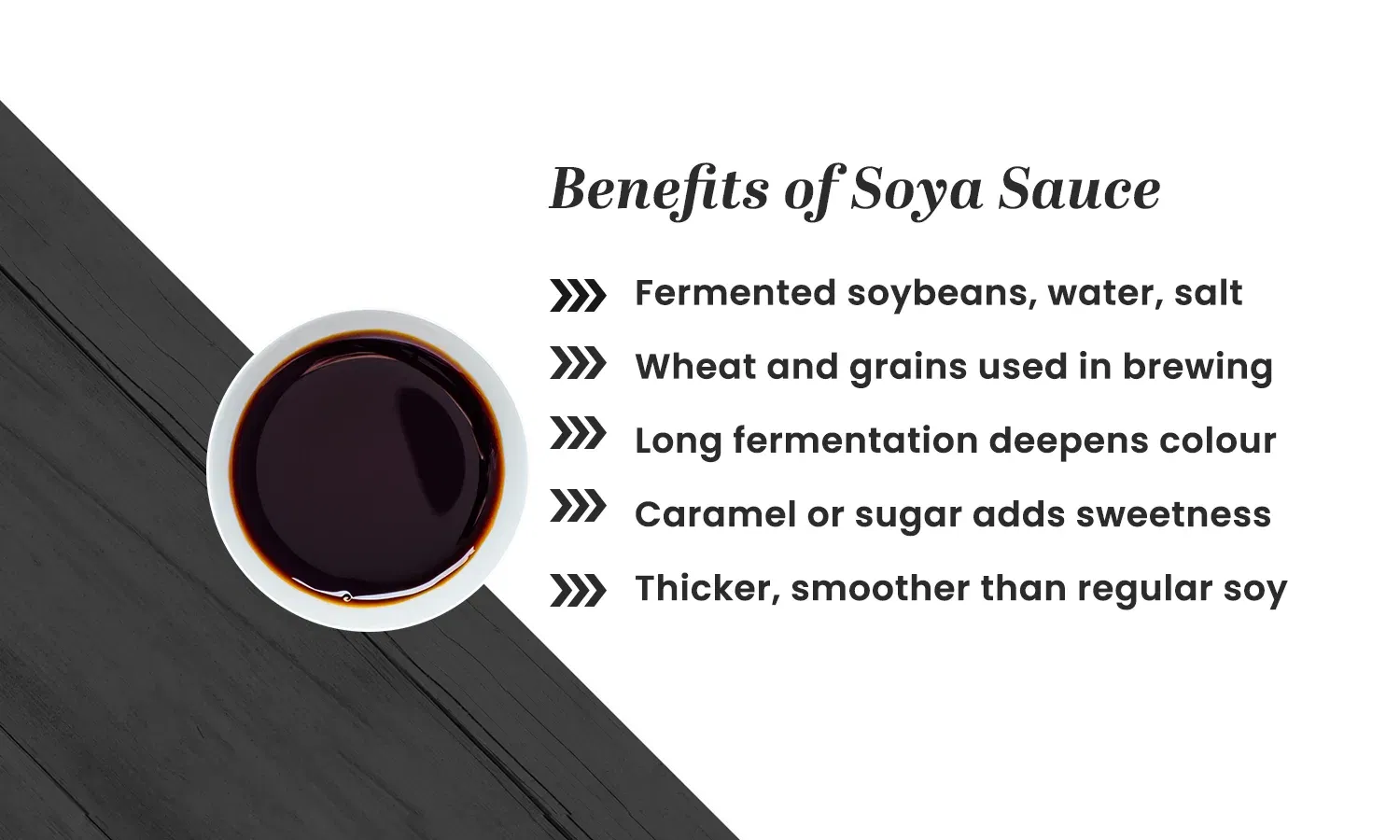
Beyond flavour, the health benefit of soy sauce include aiding nutrient absorption and digestive efficiency. The fermentation process breaks proteins into amino acids, making food easier to digest. Many people also appreciate soy sauce benefits such as improved taste satisfaction, which can prevent overeating.
At the same time, understanding soy sauce benefits and side effects is essential. Excess consumption may increase blood pressure due to sodium, making moderation the most important rule.
Cardiovascular Health Benefits
Soy sauce presents a mixed picture for heart health. Fermented soy compounds may support blood vessel function and reduce oxidative stress, but sodium remains a concern. This creates confusion around is soy sauce healthy for people with hypertension.
Research suggests that fermented soy products may be less harmful than equal amounts of table salt, yet reduced-salt options are still recommended. Using soy sauce sparingly can support flavour without overloading sodium intake.
Digestive Health Improvements
Fermentation enhances digestive benefits by stimulating gastric juice secretion and supporting gut bacteria. Naturally brewed soy sauce may help improve digestion and reduce bloating when used in small quantities.
Additionally, antimicrobial compounds in soy sauce may help limit harmful gut bacteria. Understanding soy sauce made of helps explain why fermentation plays such an important role in digestive effects.
Potential Anti-Inflammatory Effects
Soy sauce contains bioactive peptides and antioxidants that may reduce inflammation by regulating inflammatory pathways. These effects are mainly seen in traditionally brewed sauces rather than chemically produced versions.
That said, inflammation benefits depend on moderation. High sodium intake can trigger inflammation, cancelling out positive effects if overused.
Bone Health Advantages of Soya Sauce
Soy sauce provides indirect bone support through isoflavones, which may help slow bone loss, especially in postmenopausal women. Fermentation also improves mineral availability, supporting calcium balance.
However, excess salt can increase calcium loss, making portion control essential to maintain any potential bone benefit.
Soya Sauce and Common Allergies
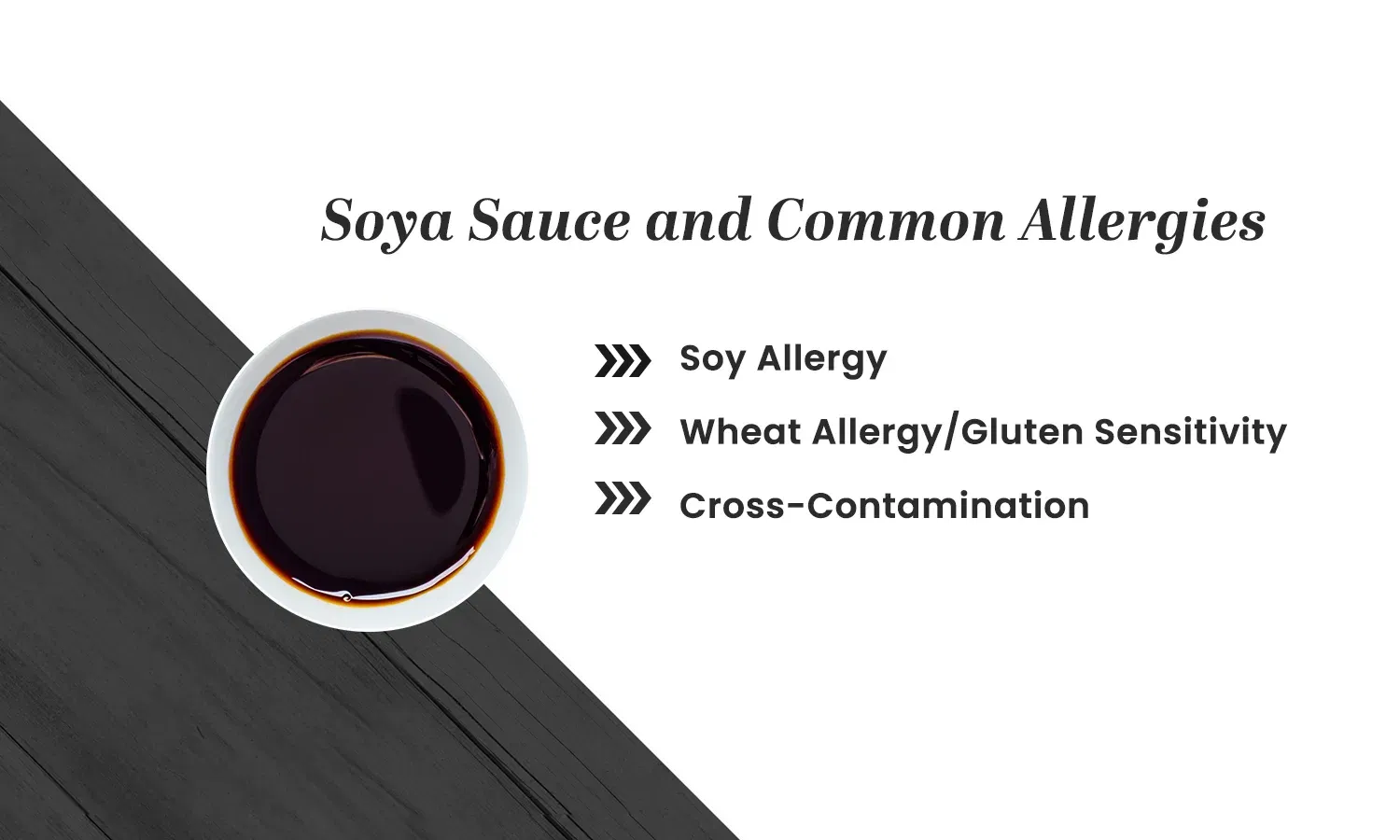
Soy Allergy:
Soy allergy occurs when the immune system reacts to soy proteins, causing symptoms ranging from mild rashes to severe anaphylaxis. People with soy allergies must avoid soy sauce entirely.
Wheat Allergy/Gluten Sensitivity:
Traditional soy sauce contains wheat. Those with gluten sensitivity or celiac disease should choose Gluten free soy sauce, such as certified tamari.
Cross-Contamination:
Cross-contamination can occur during manufacturing or restaurant use. Shared bottles and refilling practices increase risk, making certification labels important.
Conclusion and Recommendations
The Benefits of Soy Sauce are real but limited. When used mindfully, naturally brewed soy sauce can support digestion, provide antioxidants, and improve flavour efficiency. However, sodium, allergies, and hidden gluten must be considered.
Choose fermented, low-sodium varieties, avoid chemical sauces, and always read labels—especially during soy sauce in pregnancy, where sodium control is important. Moderation ensures enjoyment without health risks, and knowing does soy sauce expire helps maintain safety and quality.
FAQs
What Are the Antioxidant Benefits of Soy Sauce?
Soy sauce contains fermentation-derived antioxidants that help reduce oxidative stress, especially in darker varieties.
How Does Soy Sauce Support Digestion?
Fermentation improves protein breakdown and stimulates digestive enzymes, aiding nutrient absorption.
Can Soy Sauce Help Reduce the Use of Table Salt?
Yes, its strong umami flavour allows smaller quantities to season food effectively.
Is Soy Sauce Low in Calories, Making It Diet-Friendly?
Soy sauce is very low in calories, but sodium content must still be monitored.
What Are the Main Downsides or Cautions When Using Soy Sauce?
High sodium levels, soy or wheat allergies, and chemical processing are the main concerns.