Overview
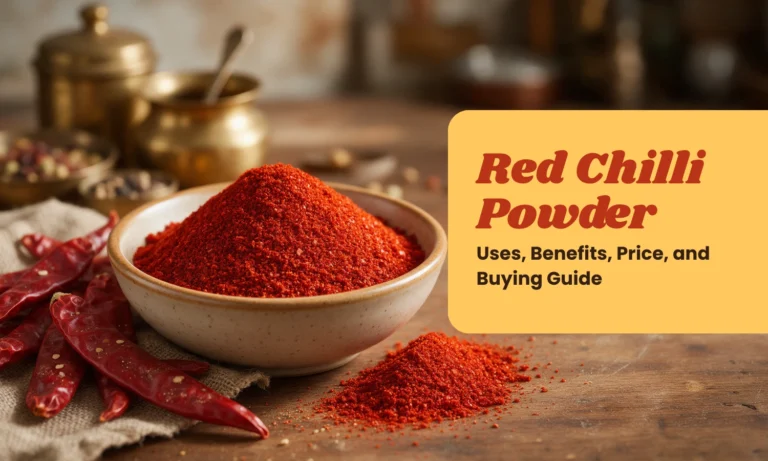
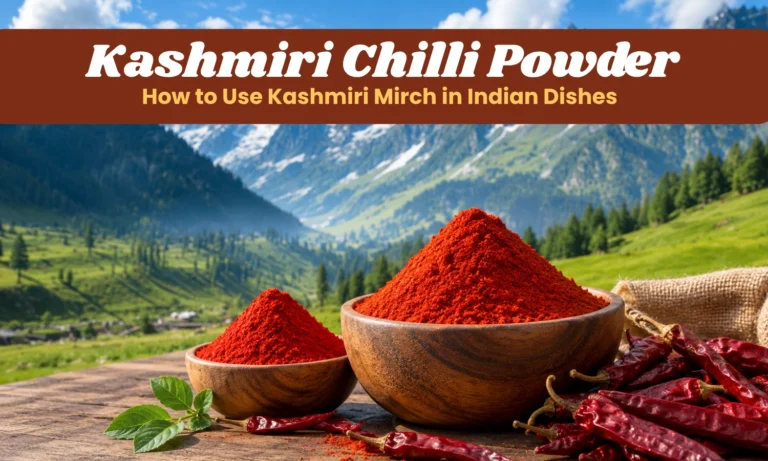
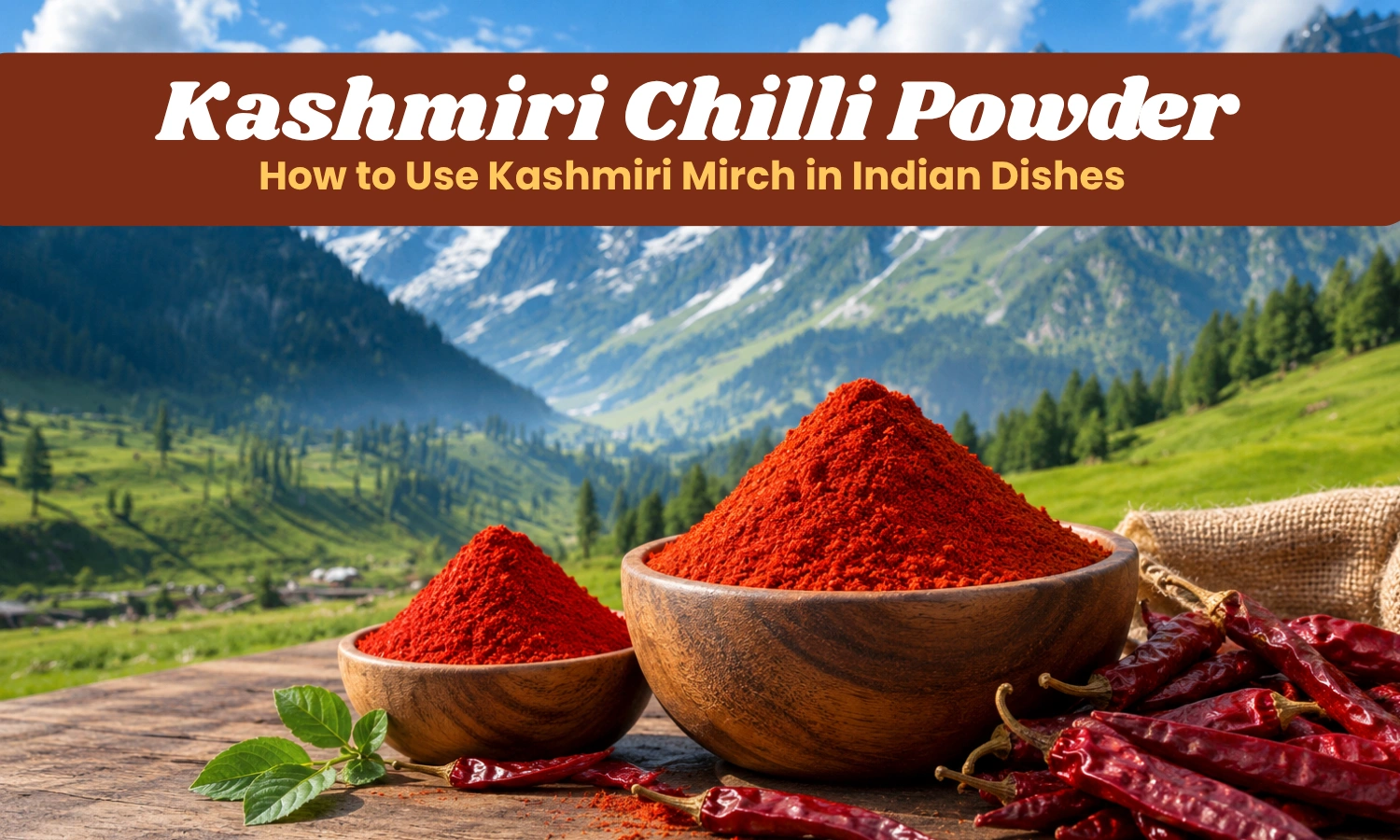
Kashmiri chilli powder is prized across Indian kitchens for its deep red colour and comparatively mild heat, making it ideal for dishes where visual appeal matters as much as flavour. Ground from dried Kashmiri mirch grown primarily in Jammu and Kashmir, it is a key component in many a blended spice mix and widely used in curries, tandoori marinades, and garnishing rather than as a primary source of spice.
What Makes Kashmiri Mirch Different?
Unlike hotter varieties such as Guntur or Naga chilli, Kashmiri mirch contains comparatively lower capsaicin levels, which explains why it delivers rich colour without overwhelming heat. This makes it a favourite among cooks who want the visual richness of red chilli in a dish without pushing the spice level too high for family meals.
The Kashmiri Lal Mirch variety specifically refers to the whole dried pods before they are ground into powder, often used directly in tempering when a milder, more aromatic flavour is preferred over intense heat.
Usage of Kashmiri Chilli Powder in Everyday Cooking
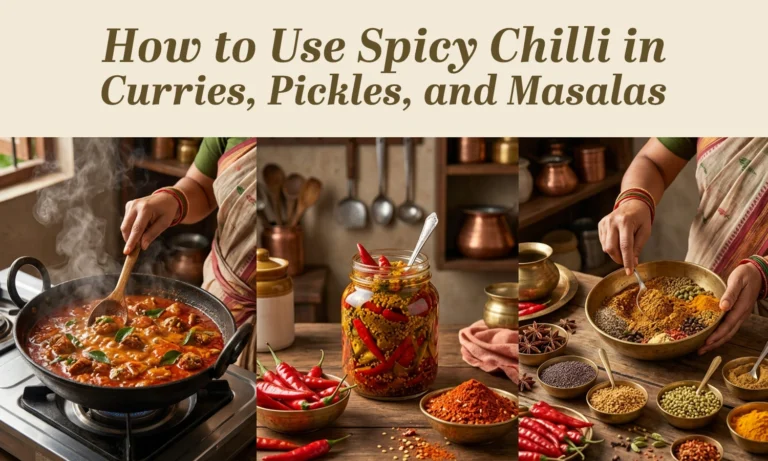
Kashmiri chilli powder is a staple in North Indian cooking, especially in dishes like tikka masala and paneer curries, where its colour enhances visual appeal without making the dish overly spicy. Because of its vibrant shade and low heat, it is also a popular choice when preparing savoury, family-friendly recipes or healthy snacks for kids that require appetizing colour without triggering a sharp burn. Many restaurant-style gravies rely on this variety specifically because it allows chefs to control colour and heat independently by combining it with a smaller amount of a hotter chilli.
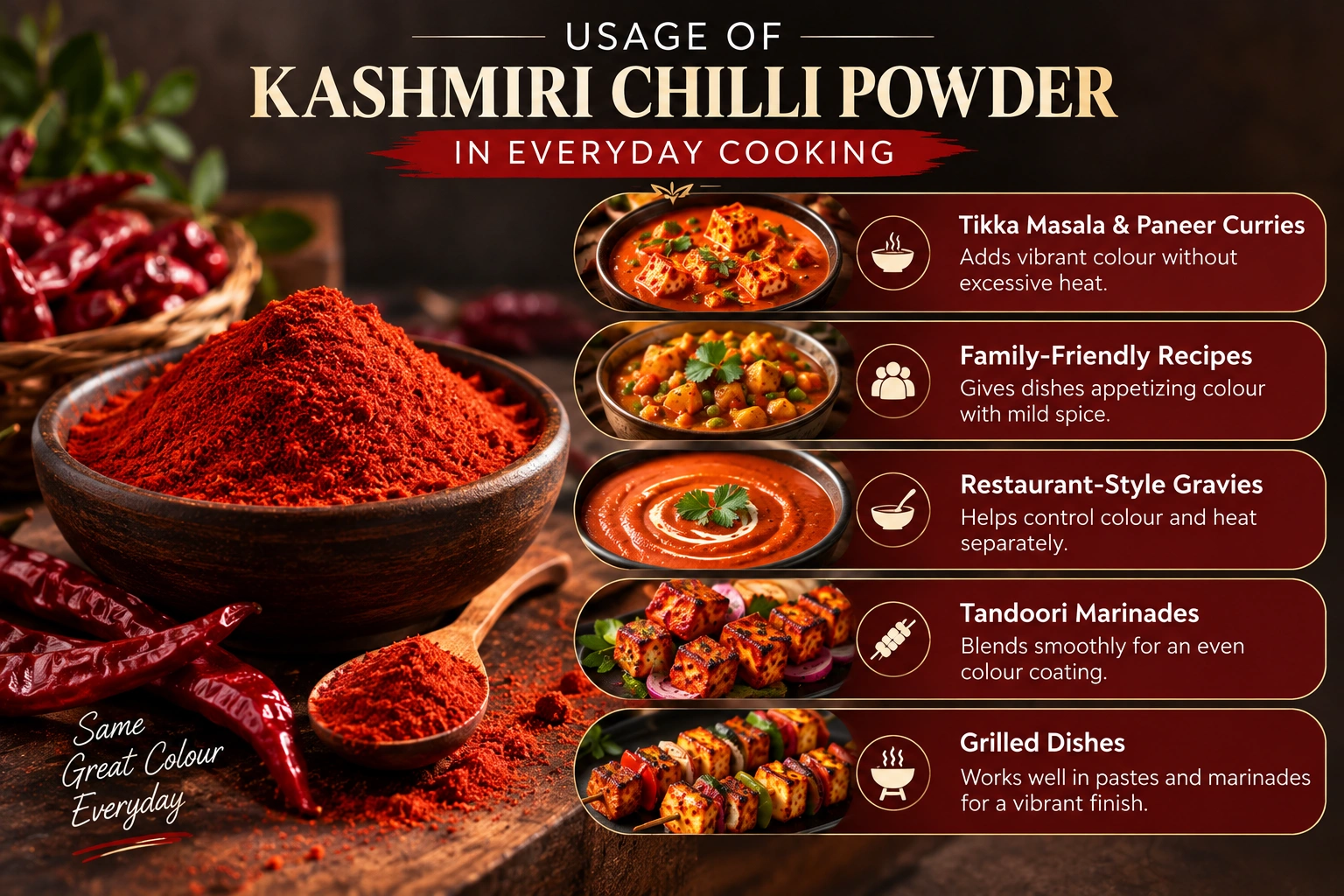
The Kashmiri Lal Mirch powder version, ground finely from dried pods, blends smoothly into marinades and pastes, making it especially popular for tandoori and grilled preparations where an even coating of colour matters.
Kashmiri Mirch Powder vs. Regular Chilli Powder
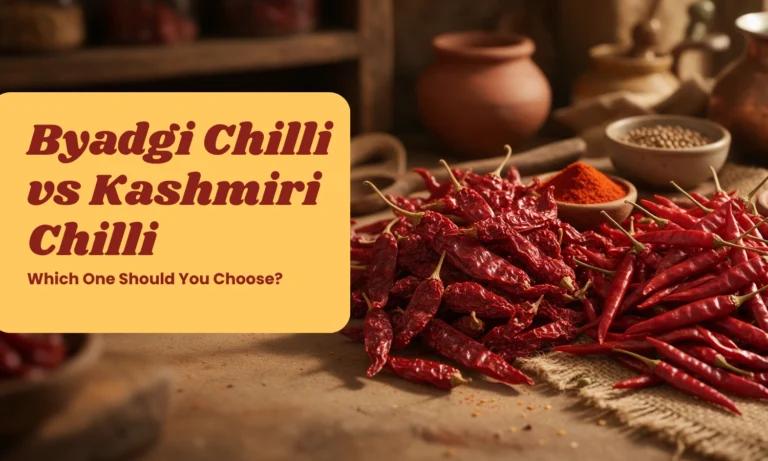
A common question among home cooks concerns how Kashmiri mirch powder differs from standard red chilli powder available in the market. The primary difference lies in heat and colour balance. Standard chilli powder, often made from hotter varieties like Guntur, delivers stronger spice with less vivid colour, while Kashmiri chilli powder offers the reverse, prioritising colour with a gentler heat profile.
Understanding the Kashmiri chilli vs. red chilli distinction helps when following recipes that specifically call for one or the other, since substituting incorrectly can significantly change both the appearance and spice level of the final dish.
Summarising the Differences between Kashmiri Chilli and Red Chilli
Here’s a table that summarises the important differences between Kashmiri mirch powder and standard red chilli powder:
| Table Header | Table Header | Table Header |
|---|---|---|
|
Color Impact
|
Vibrant, deep crimson red
|
Dull to medium orange-red |
|
Spice / Heat Level
|
Very mild
|
High
|
|
Flavour Profile
|
Subtle, fruity, and slightly sweet
|
Sharp, pungent, and intensely fiery
|
|
Primary Culinary Role
|
Adds rich colour and mild warmth
|
Adds strong spice and heat
|
|
Best Used In
|
Tandoori marinades, gravies, etc.
|
Spicy curries, pickles, etc.
|
|
Quantity Needed
|
Used generously without burning the palate
|
Used sparingly to avoid over-spicing
|
Whole Kashmiri Chilli for Traditional Use
Beyond powder form, Kashmiri chilli whole pods remain popular for traditional tempering and slow-cooked dishes where whole chillies are fried briefly in oil before other ingredients are added. They are also frequently rehydrated and blended into smooth culinary pastes that form the rich, colourful base for gravies and curries. This approach releases colour and aroma gradually, which then carries through the entire dish.
Buyers seeking whole Kashmiri chilli or Kashmiri red chilli whole for home use should look for firm, unbroken pods with consistent colour, since broken or discoloured pods often indicate lower quality or improper storage. Similarly, dry Kashmiri red chilli intended for grinding at home should be stored in airtight conditions to preserve both colour and aroma until use.
Kashmiri Dry Red Chilli: Regional Sourcing and Authenticity
Products labelled “eastern Kashmiri chilli powder’ or similar regional descriptors typically refer to sourcing claims tied to specific growing belts within Jammu and Kashmir. When looking for original Kashmiri chilli or original Kashmiri chilli powder, checking for clear sourcing information on packaging helps ensure authenticity, since the name is sometimes used loosely on blends that only partially contain true Kashmiri stock.
Identifying the best Kashmiri chilli powder often comes down to colour vibrancy, aroma strength, and absence of excessive filler content, all of which reflect how carefully the chilli was grown, dried, and processed.
Kashmiri Lal Mirch: Organic and Specialty Options
Health-conscious buyers increasingly look for organic Kashmiri red chilli powder, which is grown without synthetic pesticides or fertilisers. While organic certification can add to cost, many buyers prioritise it for daily cooking use, particularly in households with young children or specific dietary preferences.
For those interested in home cultivation, Kashmiri chilli seeds are available through agricultural suppliers, though successful growth depends heavily on replicating the cooler climate conditions of the Kashmir valley, which can be difficult to achieve in warmer regions of the country.
Is Kashmiri Chilli Actually Spicy?
A frequent question among first-time buyers will be, “Is Kashmiri red chilli spicy?”
The general answer is that it is considerably milder than most other Indian chilli varieties, making it suitable for dishes intended for a broader range of spice tolerance, including children and those who prefer milder food.
What to Check While Buying Kashmiri Red Chilli Powder?
When shopping for Kashmiri red chilli powder, checking the ingredient list and colour consistency helps identify quality. Genuine Kashmiri chilli should have a bright, deep red hue without excessive oiliness or artificial colour additives. Kashmiri chilli powder price can vary depending on brand, packaging size, and whether the product is sourced from genuine Kashmiri-growing regions or blended with other varieties.
Add Rich Colour to Every Dish
Kashmiri chilli powder brings restaurant-quality colour to home cooking without overwhelming heat. 777 Foods offers Kashmiri chilli powder sourced and processed to preserve its natural colour and mild character.
Shop the 777 Premium Red Chilli Powder and the entire chilli range from 777 Foods and elevate the appearance of your everyday curries and marinades.
Key Takeaways
- Kashmiri chilli powder is valued primarily for its deep red colour and mild heat level.
- It differs from regular chilli powder mainly in its lower capsaicin content and stronger colour payoff.
- Genuine Kashmiri chilli should show bright colour, minimal oiliness, and clear sourcing information.
- Organic options are increasingly available for buyers prioritising pesticide-free cooking ingredients.
- Whole Kashmiri pods work well for traditional tempering where gradual colour release matters.
FAQs
Is Kashmiri chilli powder spicy?
No, Kashmiri chilli powder is considerably milder than most other Indian chilli varieties. It is used primarily for its deep red colour rather than for intense heat, making it suitable for a wide range of spice preferences.
How is Kashmiri chilli powder different from regular red chilli powder?
Kashmiri chilli powder offers a stronger colour with gentler heat, while regular red chilli powder, often made from hotter varieties like Guntur, delivers stronger spice with comparatively less vivid colour in the final dish.
How can I identify original Kashmiri chilli powder?
Look for a bright, deep red colour without excessive oiliness, along with clear sourcing information on the packaging. Genuine Kashmiri chilli should have a distinct aroma and consistent colour rather than a dull or overly processed appearance.
Can Kashmiri chilli be used instead of regular red chilli in recipes?
It can be used as a substitute mainly when colour is the priority, though the dish will have significantly less heat. For recipes that specifically require spice, combining Kashmiri chilli with a smaller amount of a hotter variety works better than a direct substitution.