Introduction :
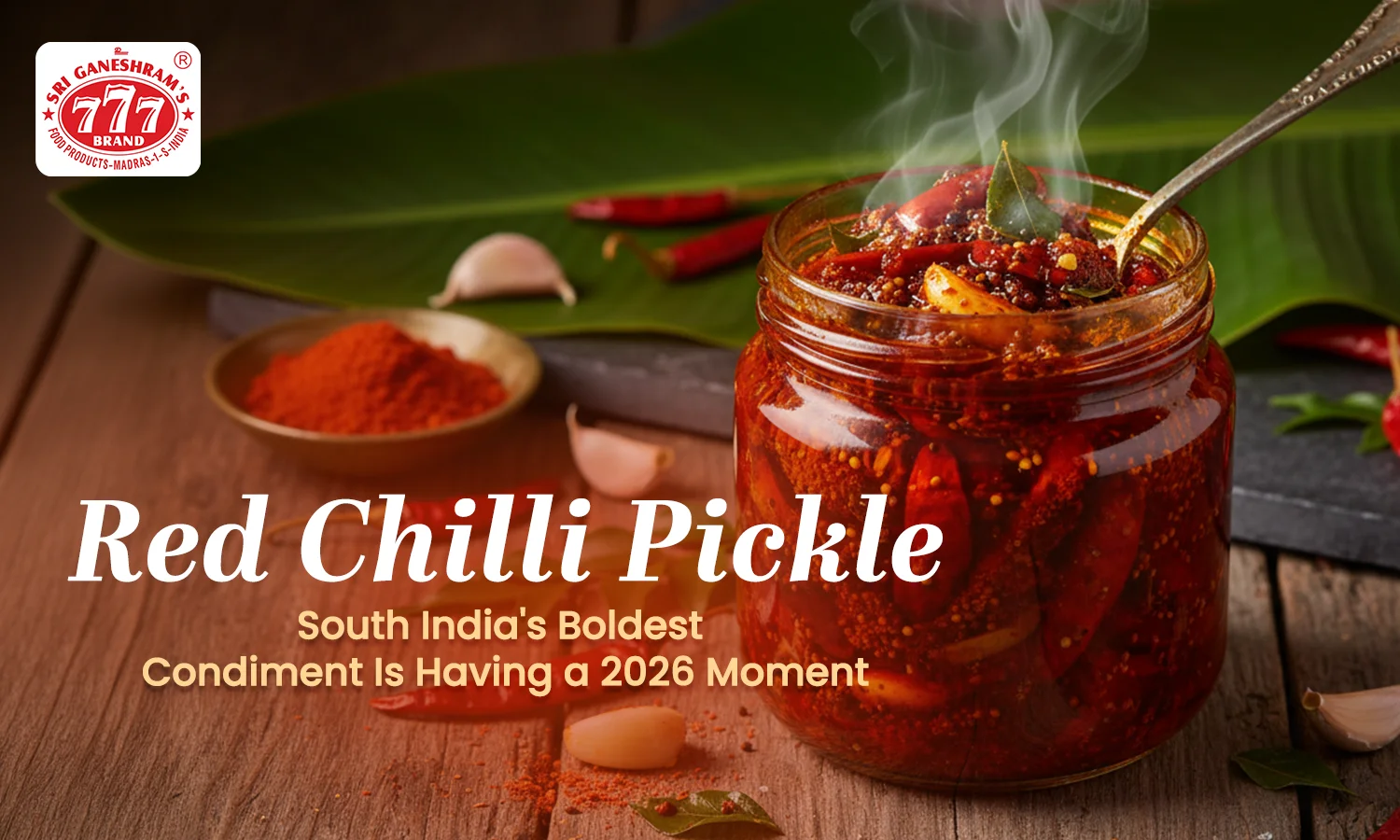
Red chilli pickle is the most underestimated condiment in the Indian kitchen. For years, it was treated as a side-shelf item, something your aunt kept in a small steel dabba for visiting relatives. Then, quietly, it became the fastest-growing pickle sub-category in the world. Mordor Intelligence’s 2026 industry report lists red chilli pickle and chilli-based pickles as the segment growing at 9.8% CAGR globally, ahead of every other pickle variant.
What changed? A younger Indian palate rediscovered it. Export demand from the Middle East and the UK surged. And home cooks began experimenting with it as a layered finishing condiment rather than a blunt heat source.
Red Chilli Pickle Is Not a Single Thing:
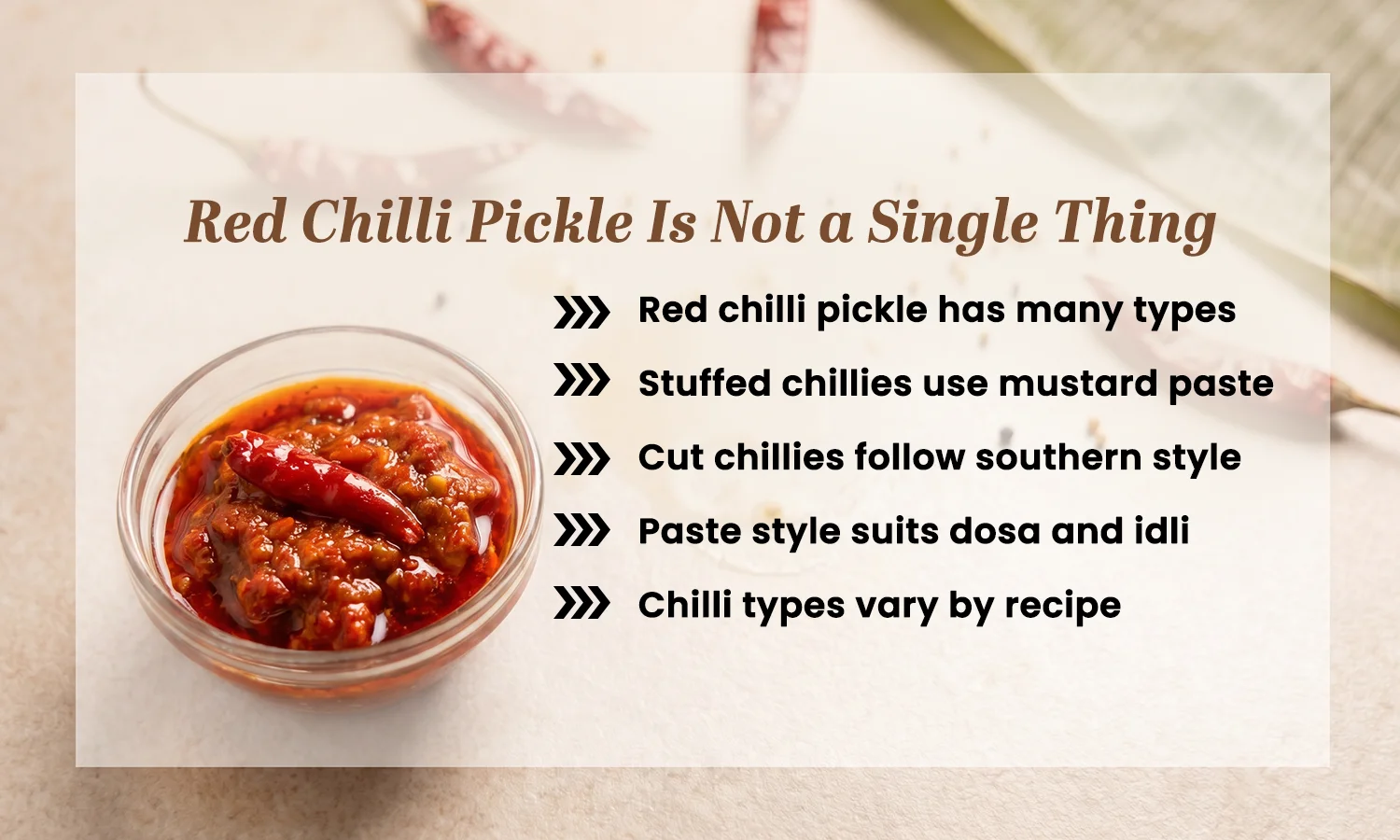
This is the confusion that most people have when it comes to Red Chilli Pickle being the only variety. When shoppers search for red chilli pickle, red chilli for pickle, or lal mirch pickle, they could mean three entirely different products:
- Whole stuffed red chilli pickle: Fat red chillies (Bhavnagri or similar), slit and stuffed with a mustard-fenugreek-turmeric paste. It is usually northern style with a lot of oil.
- Cut red chilli pickle: Smaller red chillies chopped into segments, fermented with lemon juice or vinegar. It’s southern and Telangana style.
- Red mirchi pickle (paste-style): A smooth red-chilli-based paste, almost a pickle-chutney hybrid. It goes with dosa, idli, and chapati.
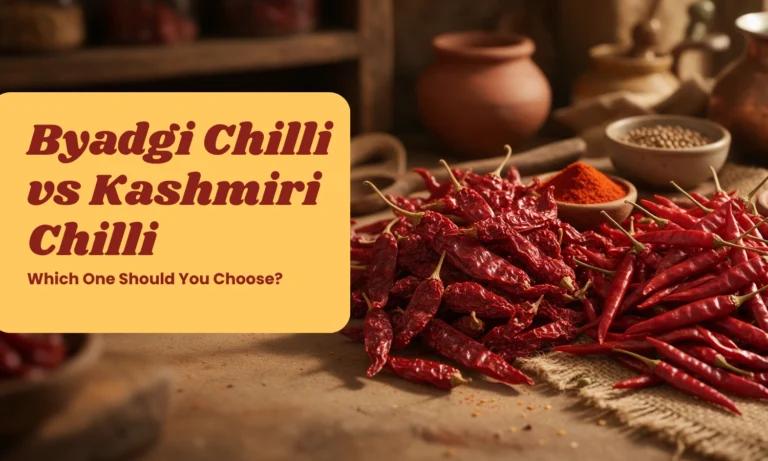
So based on the above, each uses a different chilli variety. The search term red chilli for pickle often brings up whole chillies specifically meant for stuffing: Byadgi, Bhavnagri, and Guntur being the three most common. These are distinct from the chilli powder category entirely.
Why Chilli Pickle Is Surging in 2026
Three structural shifts are worth noting:
- Gen Z palate recalibration. A 2025 YouGov India survey showed that 62% of consumers aged 18-28 prefer higher heat levels than their parents' generation, a reversal of the "milder, healthier" trend that dominated 2010-2020.
- Export pull. The UK and GCC markets drove a 34% year-on-year increase in Indian chilli pickle exports (APEDA, FY 2024-25).
- Functional positioning. Capsaicin research has made chilli "healthy heat" in a way plain mustard or salt cannot claim. Capsaicin's metabolic and appetite-regulation links, while still being studied, are becoming mainstream talking points.
Green Chilli and Green Pepper: The Cousins Worth Knowing
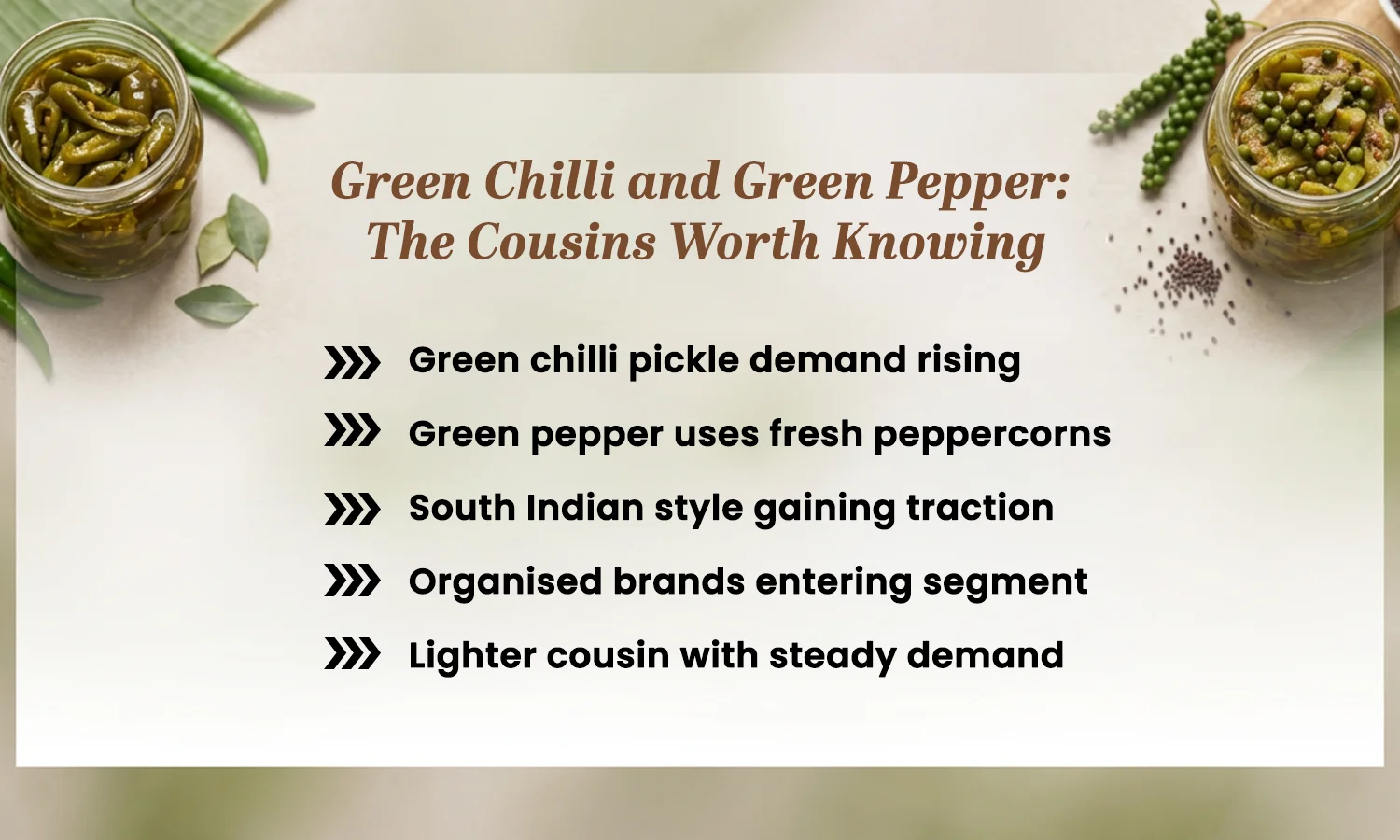
Red is the headline, but green has its own following. Green chilli pickle online searches have doubled in the last two years, and so has demand for green pepper pickle, the South Indian version made with fresh green peppercorns, not bell peppers. The SGR 777 Spicy Green Pepper Pickle 300g is one of the few organised-brand expressions of this style in the Indian market. Green chilly pickle, a lighter cousin, is also seeing steady shelf demand.
Pricing: What to Expect
The chilli pickle price range in organised retail is narrower than that of mango pickle, typically ₹100 to ₹180 for a 300g jar, because the ingredient cost profile is more predictable. Chilli, as a raw material, does not have the seasonal price swing that mango has. That makes chilli pickle a good recurring-purchase SKU for households looking to stabilise pantry spend.
For buyers searching specifically for red chilli pickle online or red chilli for pickle online, pricing transparency matters. Look for brands that disclose oil type (gingelly, mustard, or refined), chilli variety (Guntur, Byadgi, Bhavnagri), and the grind style (whole, split, or pasted).
How to Use Red Chilli Pickle Without Overdoing It
Chilli pickle has a reputation for being aggressive. Used correctly, it is the opposite, a finishing accent. Four practical applications:
- Quarter-teaspoon as a curd-rice contrast.
- Thin spread on a warm paratha replaces butter in some Punjabi homes.
- Folded into dosa batter (small amount) for a spiced variant.
- On top of a masala omelette, the oil layer merges with the egg and delivers depth without dominating.
Buying Red Chilli Pickle Online: What to Look For
Three markers separate a genuine chilli pickle from a filler-heavy one:
- The chilli should be visible, not lost in the paste. A good chilli pickle shows you the ingredient.
- The oil should coat the chilli evenly, not pool separately at the top.
- The aroma on opening should be of chilli and gingelly/mustard oil, not vinegar-sharp.
Explore chilli and pepper pickles in the SGR 777 pickle range: bold, traditional, and made in Chennai since 1954.
FAQs
What Is the Difference Between Red Chilli Pickle and Red Chili Pickle?
None, it is a spelling variation. “Chilli” is British/Indian English; “chili” is American. Both refer to the same category.
Which Chilli Variety Is Best for Pickles?
For whole stuffed pickles, Bhavnagri or larger Byadgi chillies. For cut chilli pickle, Guntur works well due to its colour and heat balance. For red mirchi paste-style, Byadgi is preferred for its deep colour without extreme heat.
Is Green Pepper Pickle the Same as Green Chilli Pickle?
No. Green pepper pickle uses fresh green peppercorns, the same plant that gives black pepper. Green chilli pickle uses fresh, unripe chillies. Different flavour profiles, different culinary uses.
Can I Order Red Chilli Pickle in Bulk for Commercial Use?
Yes. 777 Foods offers bulk chilli pickle packs for caterers, hotels, and cloud kitchens. Contact the brand trade desk for per-kg pricing.