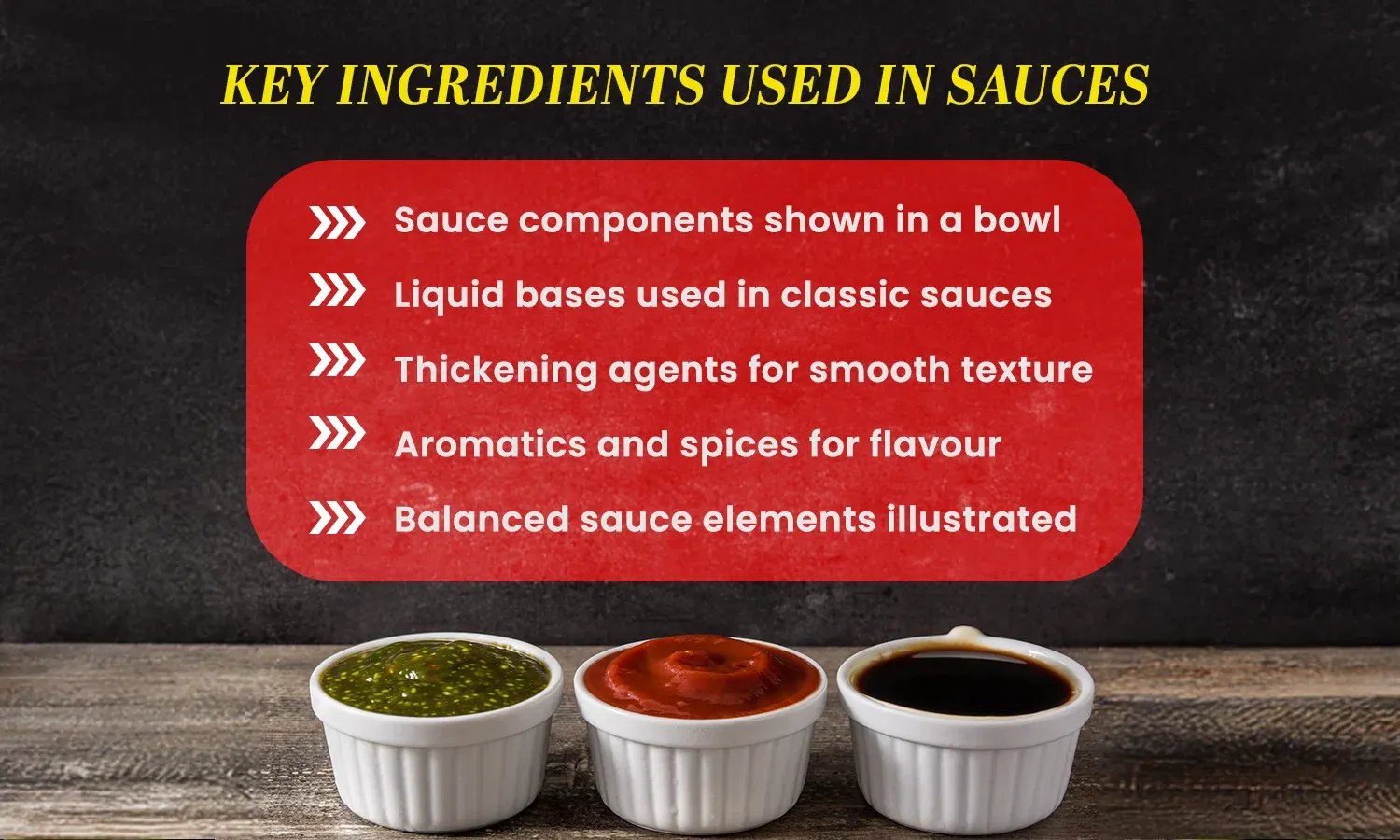
Tomato Sauce
In Indian usage, tomato sauce usually appears in two forms. As a table condiment, it refers to the sweet and tangy bottled sauce served with snacks and street food. This version is widely recognised by its packaging and varies by brand, tomato sauce bottle size, and
tomato sauce price.
As a cooking base, tomato sauce refers to slow-cooked tomato gravies used in popular dishes like paneer curries and butter-based preparations. Many households still prefer making this at home using a basic tomato sauce recipe that focuses on cooked tomatoes, fats, and controlled seasoning.
Green Chilli Sauce
Green chilli sauce is a strong-flavoured condiment commonly used in Indo-Chinese cooking. The core green chilli sauce ingredients include fresh green chillies, vinegar, garlic, salt, and a small amount of sugar to balance the heat. Its smooth texture and sharp taste make it suitable both as a dip and as a cooking ingredient.
People often look for the best green chilli sauce based on spice level and consistency. Unlike traditional green chutney, this sauce is shelf-stable and has a noticeable tang from vinegar.
Dark Soy Sauce
Dark soy sauce is thicker and darker than regular soy sauce and is mainly used to add colour and depth rather than saltiness. The difference between dark vs light soy sauce lies in texture, sweetness, and purpose, with dark soy sauce preferred for cooking.
In Indian-Chinese dishes,
dark soy sauce uses include stir-fries, noodles, fried rice, and gravies, where a rich brown colour is expected. The dark soy sauce price often reflects longer fermentation and processing time.
How to Use Sauces in Everyday Cooking
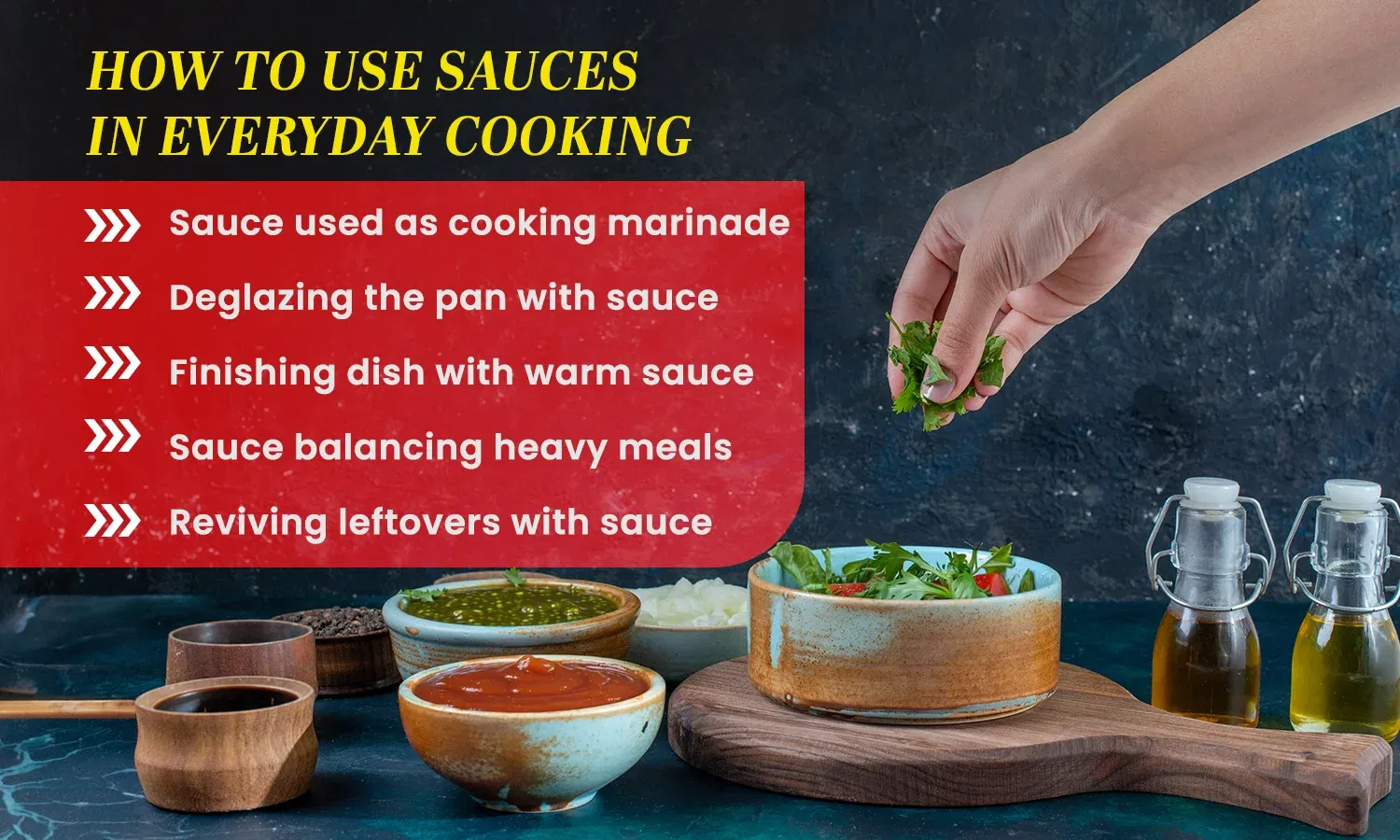
Understanding what a sauce is also means knowing how to use it correctly. Sauces can be used before cooking as marinades, during cooking to deglaze pans, or after cooking to finish a dish. A small quantity added at the right stage can improve flavour without overpowering the food.
If a dish feels dry, a warm sauce can add moisture. If it feels heavy, a sharp sauce can bring balance. Sauces are also useful for refreshing leftovers, helping turn simple ingredients into complete meals.
How to Store Sauces Properly
Proper storage helps maintain both safety and quality. Homemade sauces should be cooled before storing and kept in airtight containers. Dairy-based sauces spoil quickly and should be used within a few days. Tomato-based sauces last slightly longer because of their acidity.
Commercial sauces with high salt or vinegar content are more stable, but refrigeration after opening helps preserve flavour. Always use clean, dry spoons to avoid contamination.