

What Are Pickles?
A pickle is a food item preserved in brine, vinegar, or oil, often enhanced with spices to create a unique taste. The word pickle originates from the Dutch word “pekel,” meaning brine. Pickling is a method of food preservation dating back thousands of years, allowing food to last for extended periods while intensifying flavors.

There are two main types of pickles: fermented pickles, which undergo a natural lacto-fermentation process with beneficial bacteria, and non-fermented pickles, which are preserved using vinegar or oil. Pickles can be sweet, spicy, or tangy, catering to diverse palates worldwide. India is known for its rich variety of pickles, such as mango pickle, lime pickle Indian, and garlic pickle online, each packed with bold flavors. Whether it’s Andhra pickles or small pickles, the distinct taste of pickle makes it a staple in almost every Indian household.
Pickles are not just about taste but also have historical and cultural significance.
In many Indian households, preparing pickle is a tradition passed down for generations. Families have their secret recipes for Andhra avakaya pachadi, mango thokku, and lime pickle benefits, which make them a treasured part of meals. The love for pickles continues to grow globally, making them a household necessity in every kitchen.

What Is the History of Pickles?
In India, the practice of making pickles has been perfected over centuries. From Andhra pickles to mango inji pickle, different regions have their own unique variations. Pickle making is an art that requires careful selection of ingredients, precise fermentation, and expert storage methods. With the rising demand for organic pickles, traditional techniques are now being combined with modern food preservation practices to maintain authenticity while ensuring quality and safety.
WHY ARE PICKLES POPULAR WORLDWIDE?
Each culture has its own take on pickles. Korea is famous for kimchi, Germany for sauerkraut, and Japan for tsukemono. In India, varieties like cut mango pickle, mango inji pickle, and mixed pickle Indian add zest to everyday meals. Beyond taste, pickles offer health benefits, acting as natural probiotics and aiding digestion. In fact, lime pickle benefits include promoting gut health and reducing bloating. The Indian pickle market alone is estimated to be worth ₹10,000 crores, with growing demand for organic pickles and traditional recipes.
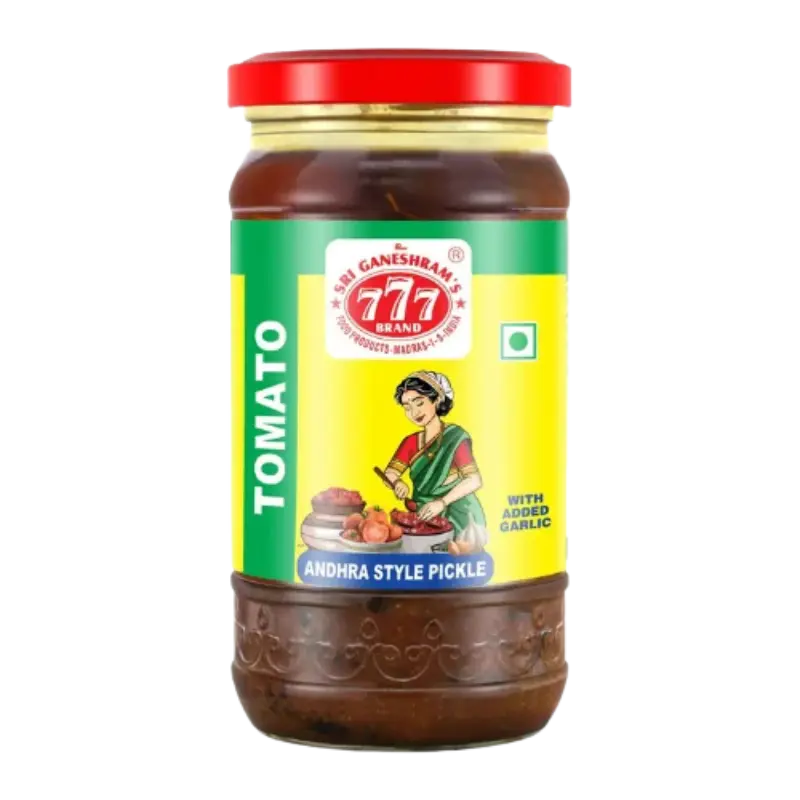
Additionally, pickle consumption has increased due to its versatility in cuisines. From sandwiches to rice dishes, salads to wraps, pickles provide a tangy punch that elevates any dish. The innovation in pickle production has also led to unique variations such as garlic tomato pickle, green pepper pickle, and usirikaya pickle, ensuring that there is a pickle for every taste preference.
What Are the Different Types of Pickles?
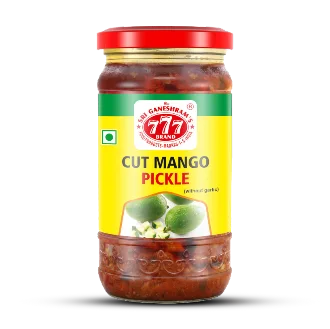
Mango Pickle
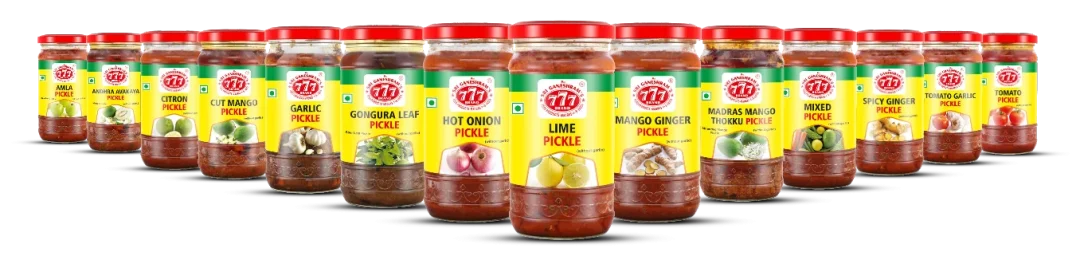
Mango Pickle A spicy and tangy delight made from raw mangoes, often called Andhra mango pickle.
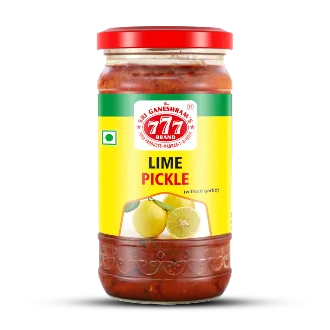
Lime Pickle Indian
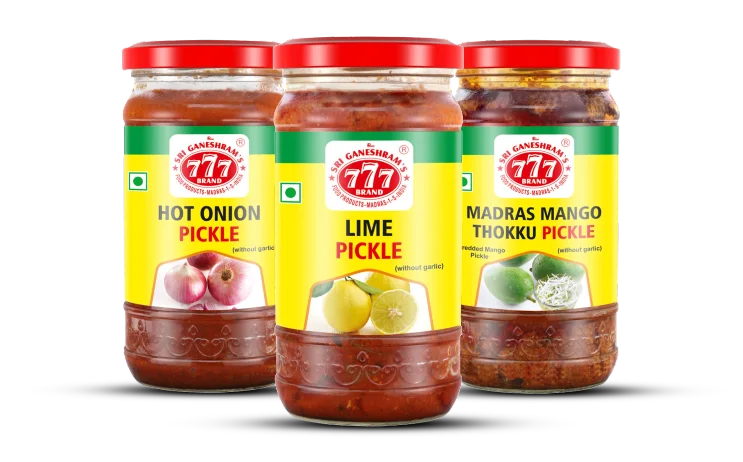
Lime Pickle Indian A citrusy, fermented pickle known for its tangy kick and lime pickle benefits.
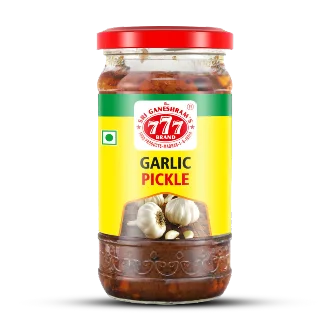
Garlic Pickle Online
Garlic Pickle Online A bold, pungent pickle made with whole garlic cloves, sometimes paired with tomatoes as garlic tomato pickle.
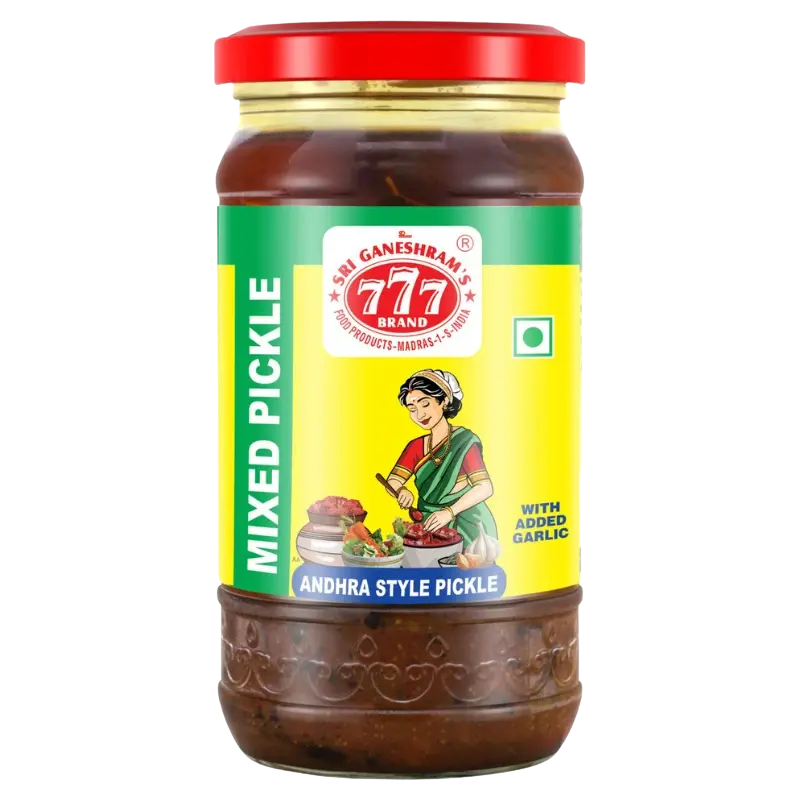
Mixed Pickle Indian
Mixed Pickle Indian A combination of seasonal vegetables preserved in spices and oil.
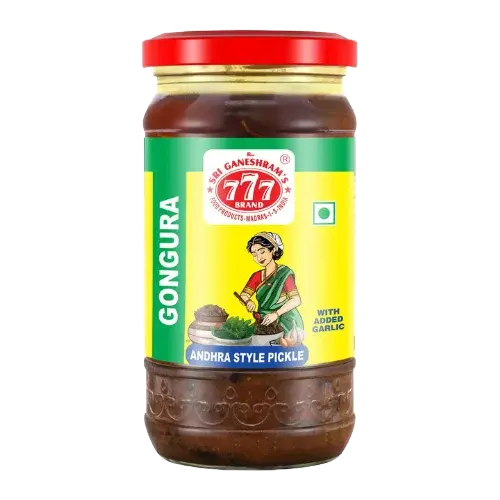
Andhra Gongura Pachadi
Andhra Gongura Pachadi A unique, sour pickle made from red sorrel leaves, also known as Andhra style gongura pachadi.
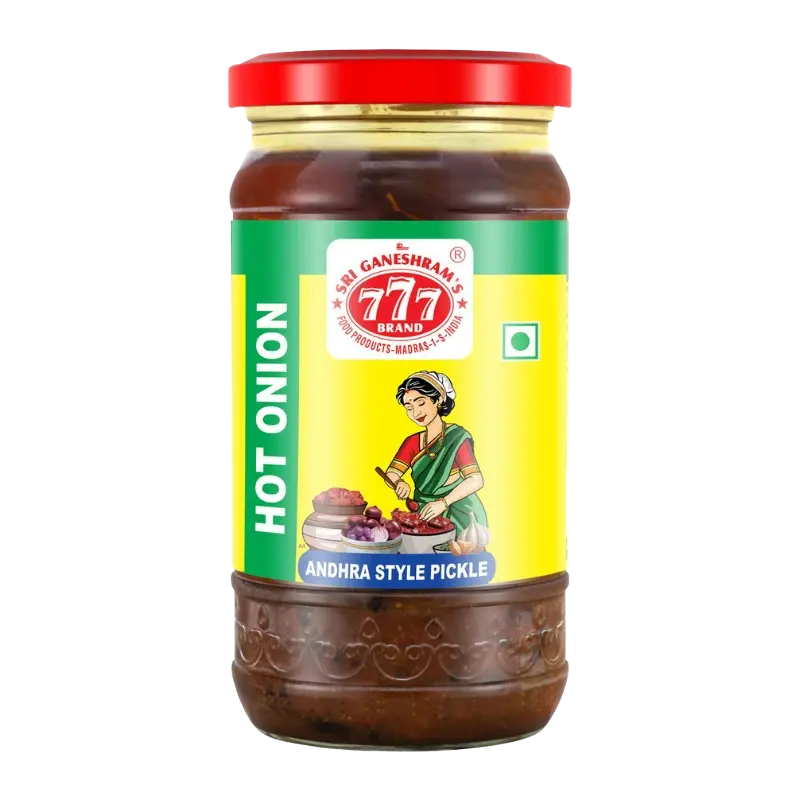
Onion Pickle Indian
Onion Pickle Indian A spicy and tangy delight made from raw mangoes, often called Andhra mango pickle.
Each of these pickles is made with a unique blend of spices such as mustard seeds, fenugreek, turmeric, and asafoetida, adding depth to their taste. While some prefer sour pickles, others enjoy best mixed pickle varieties that combine different flavors in one jar.
WHAT ARE THE MOST POPULAR PICKLES IN INDIA?
India is home to some of the best pickles in the world, with recipes passed down for generations. The most sought-after pickles include:

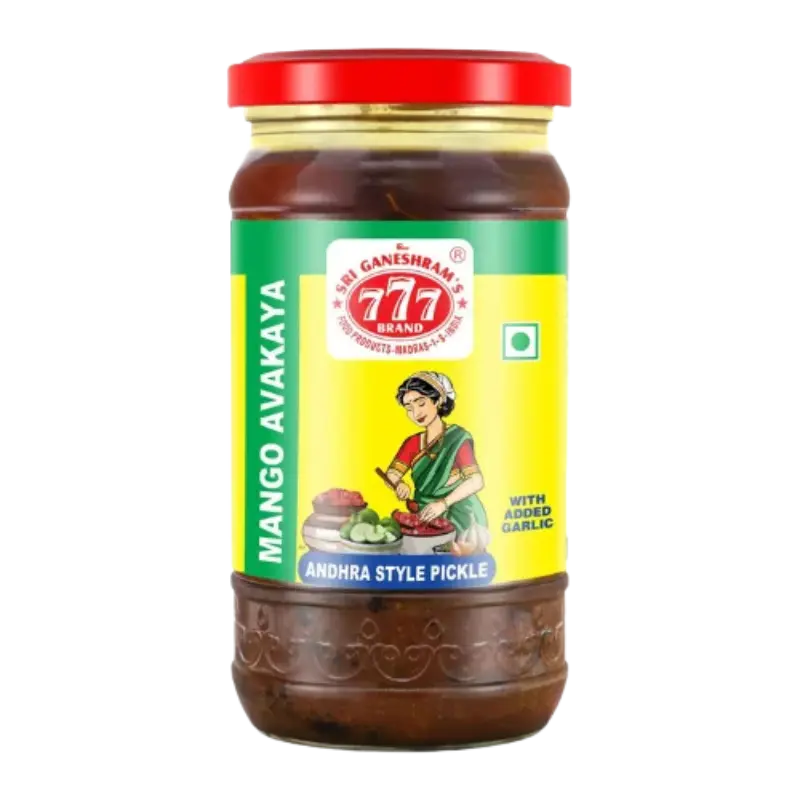
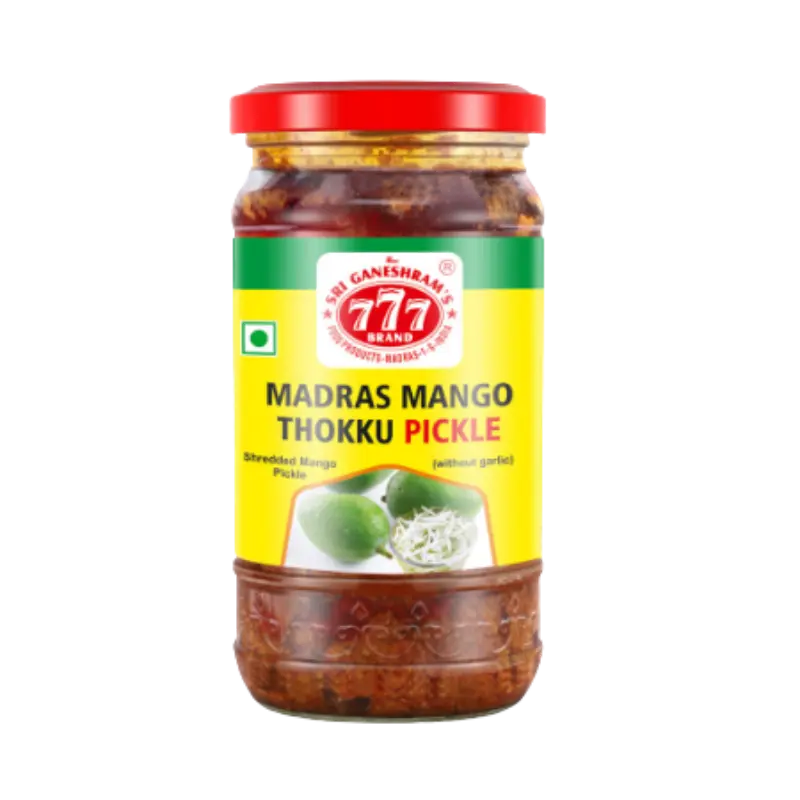
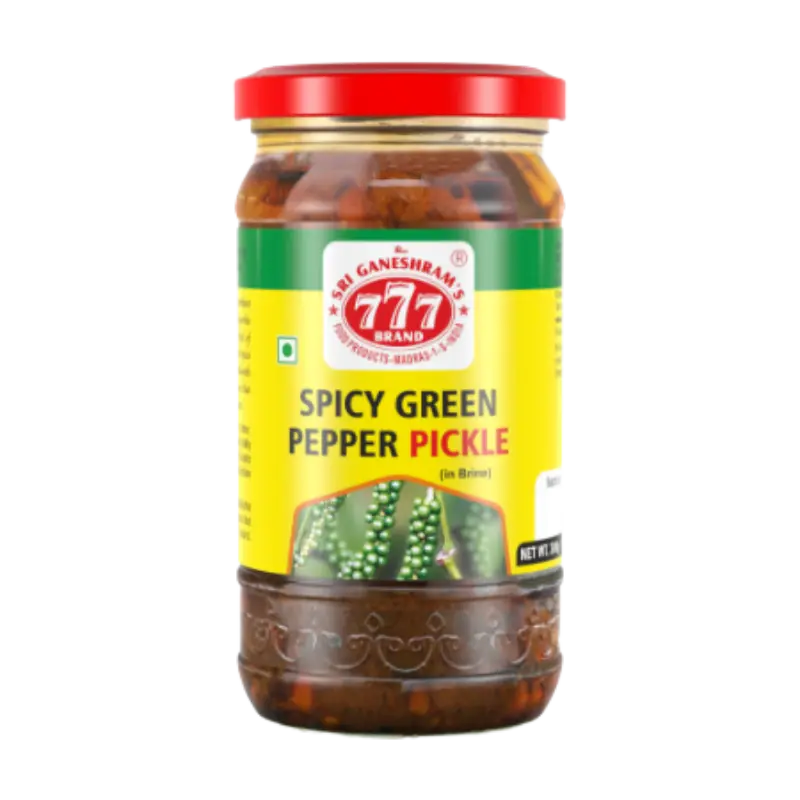
Green Pepper Pickle
Green Pepper Pickle A mildly spicy pickle, also available as green black pepper pickle.
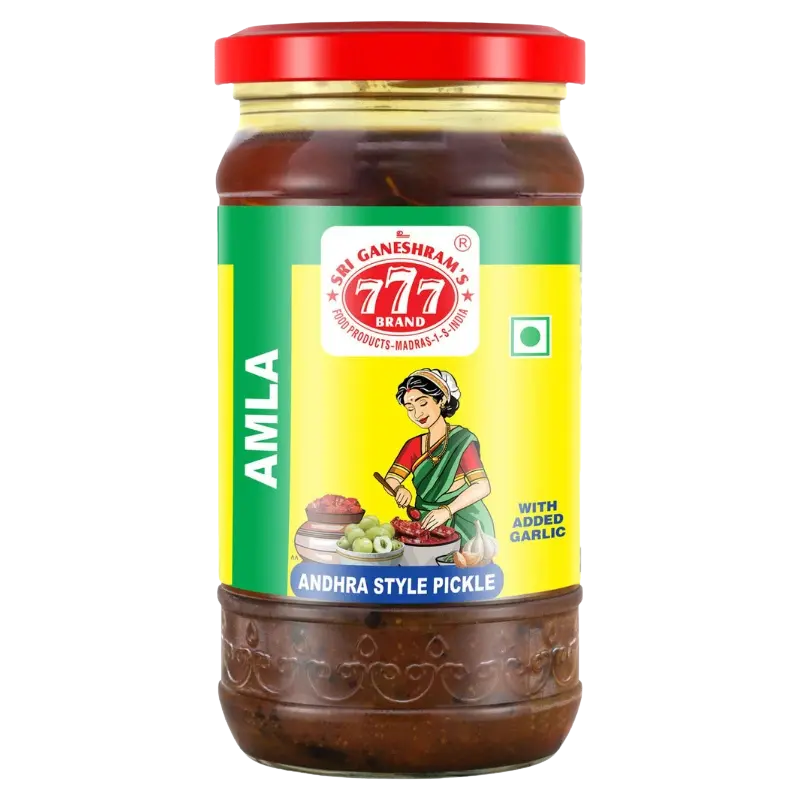
Usirikaya Pickle
Usirikaya Pickle A South Indian favorite, similar to amla achar but with a distinct preparation style.
These pickles vary in texture, from chunky to smooth pastes, and are stored in clay jars, glass bottles, or steel containers to maintain their longevity and flavor. Whether homemade or store-bought, pickle enthusiasts can enjoy these mouthwatering delights across all regions of India.
FERMENTED VS. NON-FERMENTED PICKLES: WHAT’S THE DIFFERENCE?
Pickles can be categorized into fermented pickles and non-fermented pickles, each offering a unique taste and texture. Fermented pickles undergo a natural process where beneficial bacteria convert sugars into lactic acid, preserving the food and enhancing its probiotic content. Examples of fermented pickles include sour pickles, Andhra Gongura Pachadi, and lime pickle Indian. These pickles promote gut health and improve digestion.
On the other hand, non-fermented pickles are preserved using vinegar, oil, or salt, which prevents bacterial growth while maintaining the crisp texture. Some well-known varieties of non-fermented pickles are mango pickle, onion pickle Indian, and garlic pickle online. While these pickles may not have probiotics, they still provide antioxidants and essential nutrients. Both types of pickles are widely enjoyed, catering to different taste preferences and health benefits.
The choice between fermented and non-fermented pickles depends on personal preference. If you are looking for pickles that improve digestion, go for fermented pickles like Andhra Avakaya Pachadi. If you enjoy bold flavors, non-fermented pickles like green black pepper pickle are an excellent choice. Regardless of the type, pickles remain an essential part of Indian cuisine and daily meals.
How Are Pickles Made Traditionally?
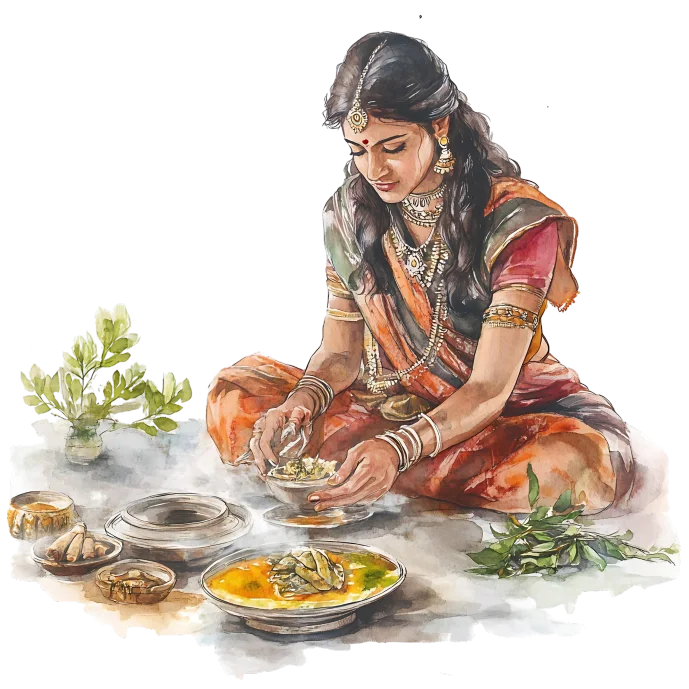
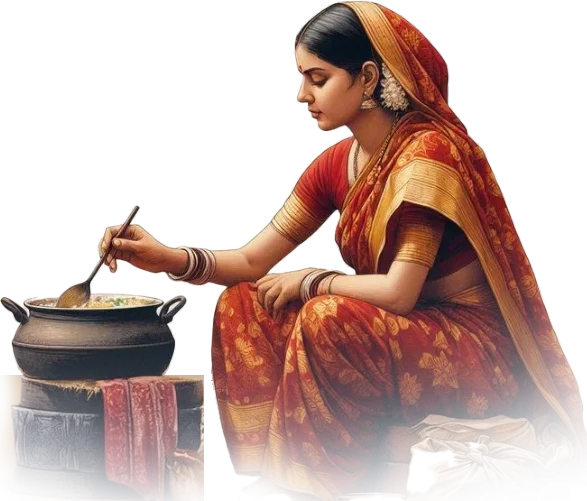
Making pickles traditionally is an art that requires patience, precision, and a deep understanding of flavors. Indian pickles are often prepared using age-old recipes that have been passed down for generations. The process starts with selecting fresh, high-quality ingredients such as raw mangoes, garlic, tomatoes, or green chilies.
Once the main ingredient is chosen, it is chopped, dried, and mixed with essential spices like mustard seeds, fenugreek, turmeric, and red chili powder. Oil, salt, and sometimes vinegar are added to preserve the pickle and enhance its flavor. The mixture is then stored in airtight jars, traditionally made of ceramic or glass, allowing it to marinate and develop its signature taste.

One of the most famous traditionally prepared pickles is Andhra Avakaya, which uses raw mangoes, red chili powder, and mustard seeds. Similarly, garlic achaar and mango inji pickle are made using hand-ground spices and sun-drying techniques to intensify their flavors. Many households also prepare mixed pickle Indian by combining vegetables like carrots, cauliflower, and green chilies in mustard oil.
The key to making pickles the traditional way is patience. Some pickles require weeks of fermentation to achieve the perfect balance of flavors. Proper storage and occasional stirring help maintain the texture and taste. With traditional pickle-making techniques still being widely practiced, the art of creating flavorful pickles continues to thrive.
How to Make Pickles at Home?

- Wash and dry the mangoes completely to remove excess moisture.
- In a pan, dry roast mustard seeds and fenugreek seeds, then grind them into a coarse powder.
- Mix the mango pieces with turmeric, salt, and red chili powder
- Heat mustard oil until it reaches a high temperature, then let it cool slightly.
- Add the oil and spice mixture to the mangoes and mix well.
- Transfer the pickle to a sterilized jar and let it rest for a week, shaking occasionally.
This cut mango pickle will be ready to eat in 7-10 days. Similar methods can be followed to make lime pickle Indian, onion pickle Indian, or chili pickle. If you prefer instant pickles, you can make garlic tomato pickle or green pepper pickle, which require less marination time.
Homemade pickles have a freshness and authenticity that store-bought varieties can’t match. They allow you to customize the spice levels and ingredients while ensuring a healthy addition to your meals. Whether it’s mango thokku, mixed veg pickle, or amla ka achar, homemade pickles bring rich flavors to your table.
What Are the Best Oils for Making Pickles?
Mustard Oil: This is the most popular choice for North Indian pickles like Andhra mango pickle and green black pepper pickle. It has a strong, pungent flavor that enhances the taste of pickles while acting as a natural preservative.
Gingelly Oil (Sesame Oil): Widely used in South Indian pickles, this oil is preferred for making mango thokku, onion pickle Indian, and Andhra style gongura pachadi. Its nutty aroma complements spicy and tangy flavors.
Groundnut Oil: Used in some regional pickle recipes, this oil is mild in taste and helps preserve pickles without overpowering their natural flavors.
What Spices Are Commonly Used in Indian Pickles?
Indian pickles are defined by their rich and bold flavors, made possible through a combination of essential spices. Commonly used spices include:
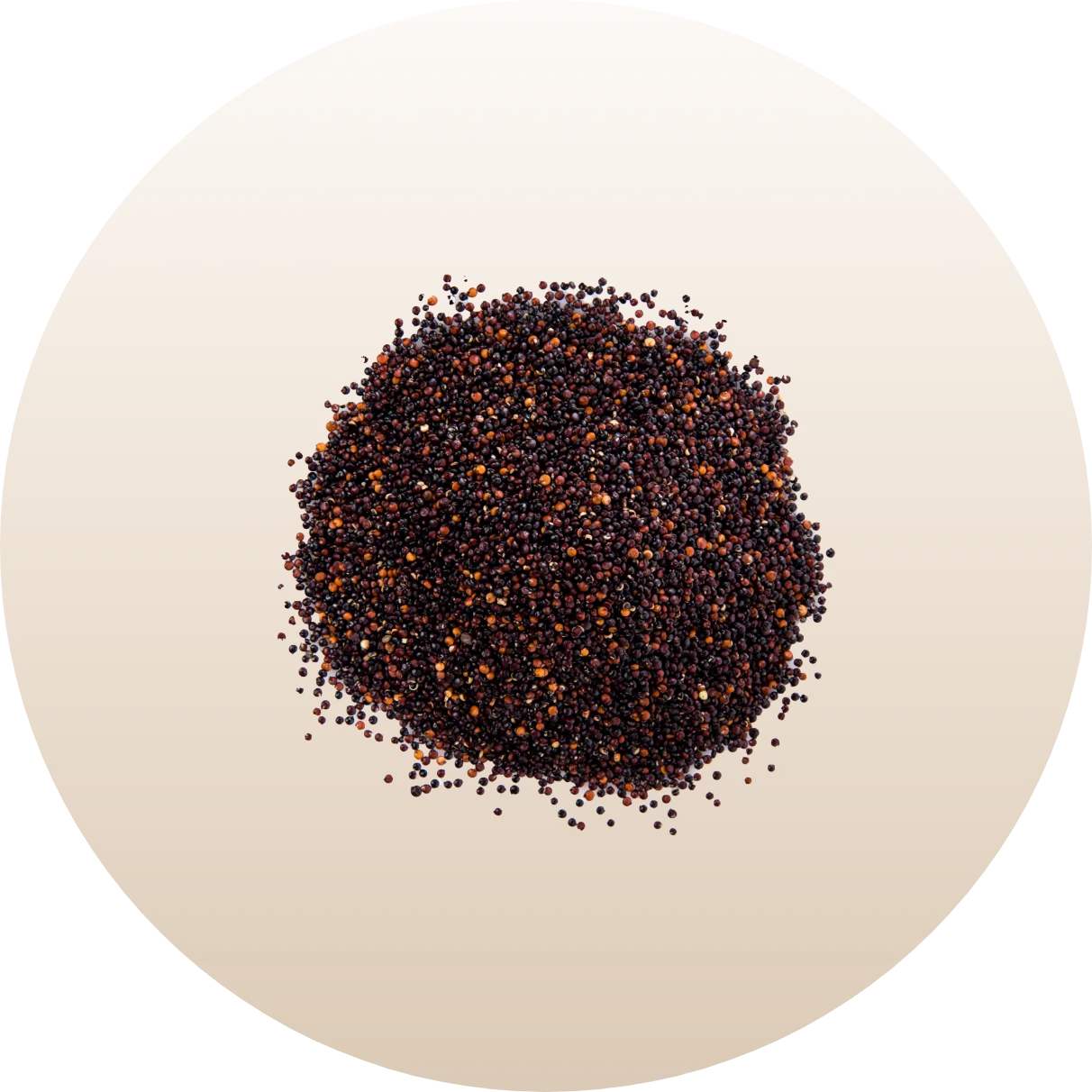
Mustard Seeds
Adds a pungent kick and helps with preservation.
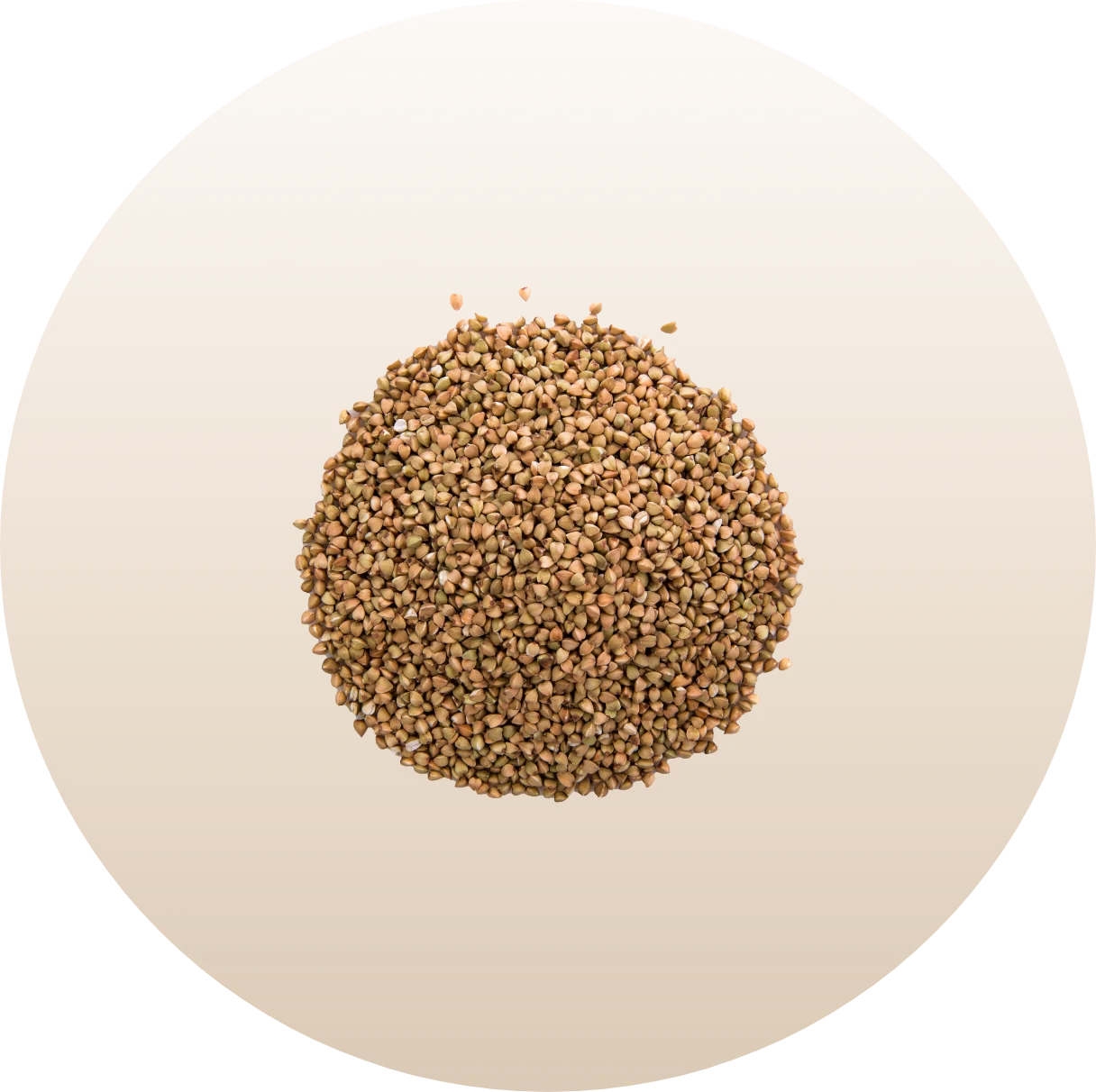
Fenugreek Seeds
Adds a pungent kick and helps with preservation.
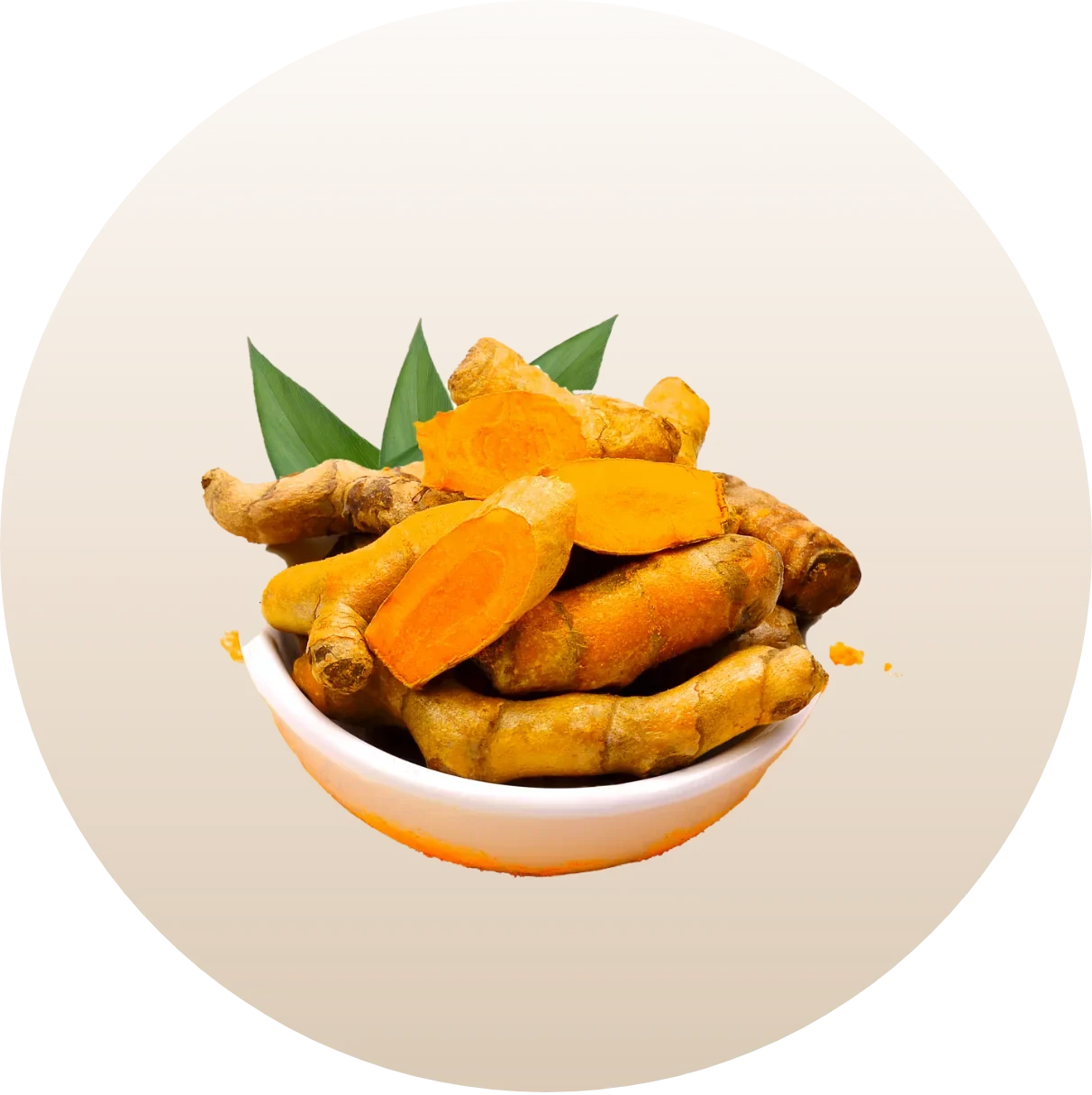
Turmeric
Offers a deep yellow color and acts as a natural antiseptic.
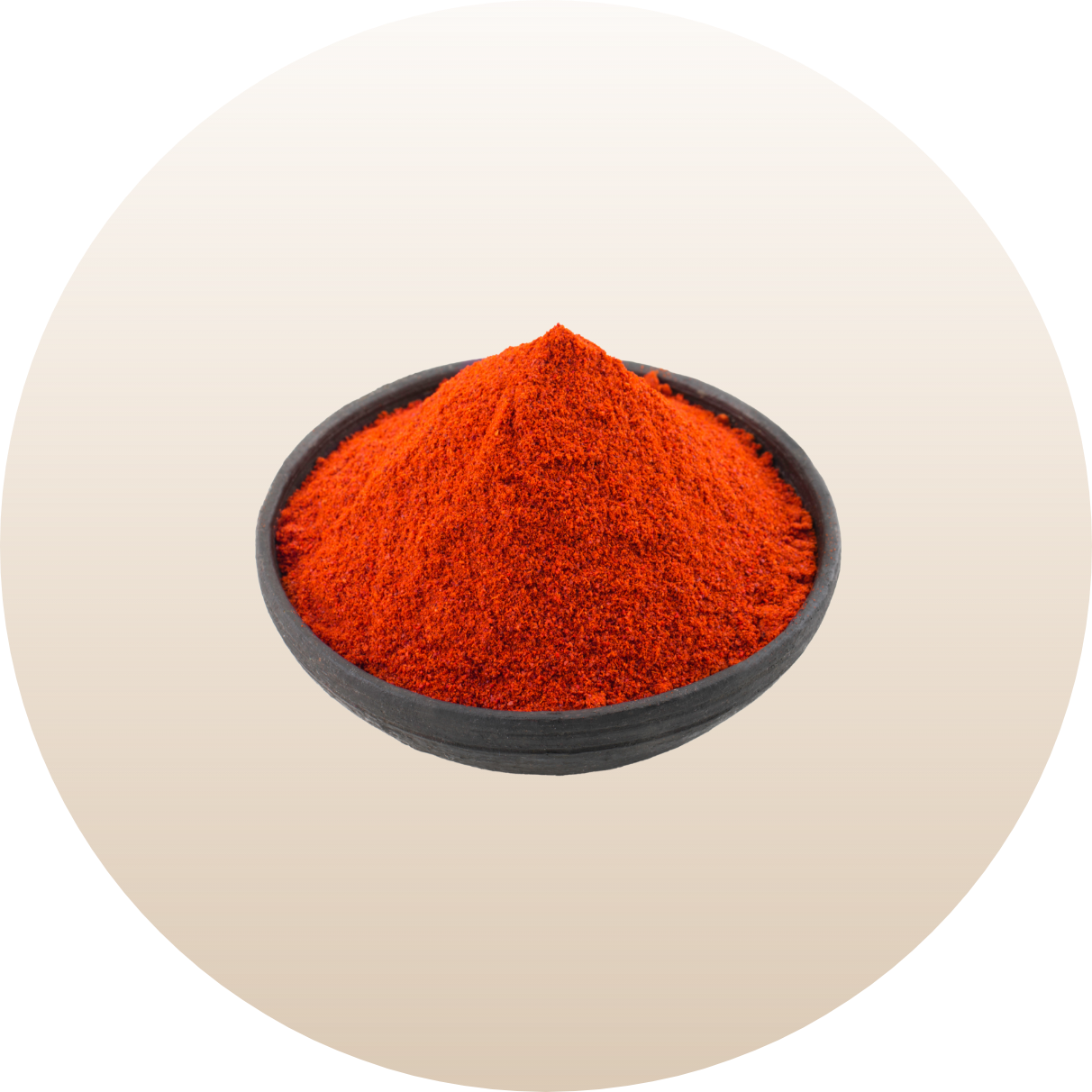
Red Chili Powder
Enhances spice levels and provides heat.
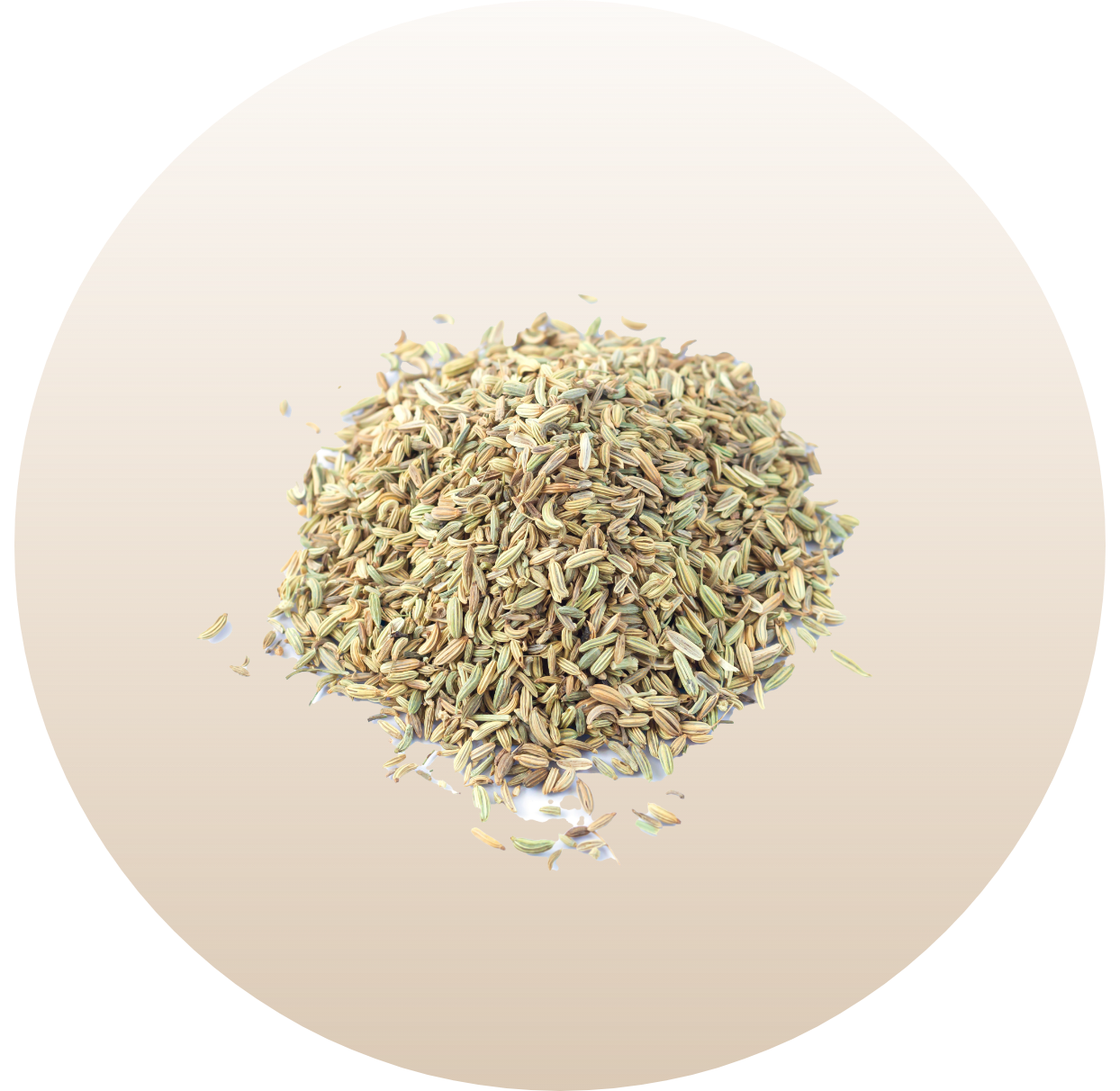
Cumin and Fennel Seeds
Add a mild, earthy sweetness to balance the spice.
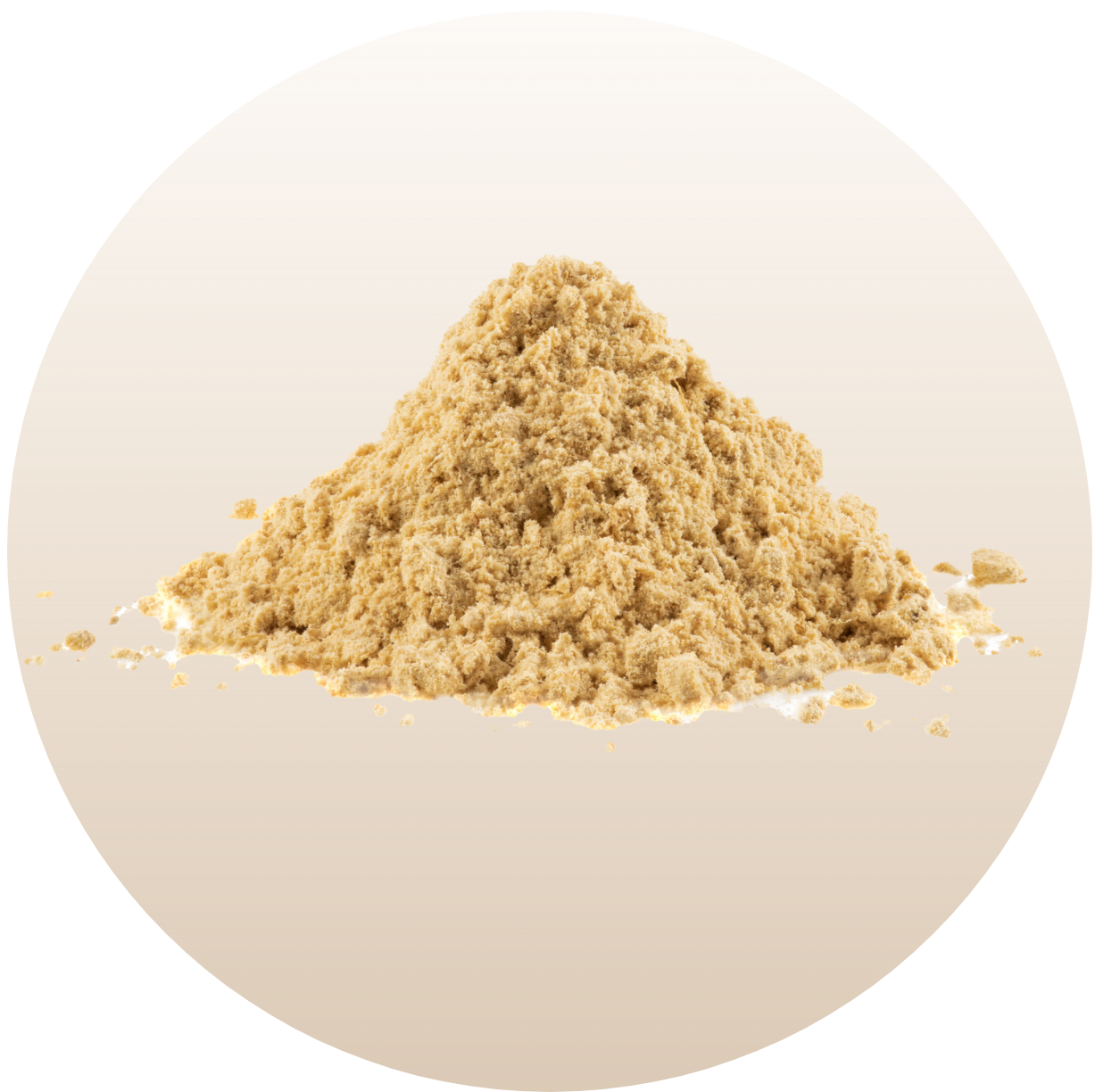
Hing (Asafoetida)
Improves digestion and deepens the umami flavor of pickles
Different regional pickles use different spice combinations. For instance, Andhra Gongura Pachadi is rich in red chilies, while garlic achaar relies on mustard and hing for its bold aroma. The right spice blend transforms pickles into flavorful accompaniments that enhance any meal.
Can You Make Pickles Without Vinegar?
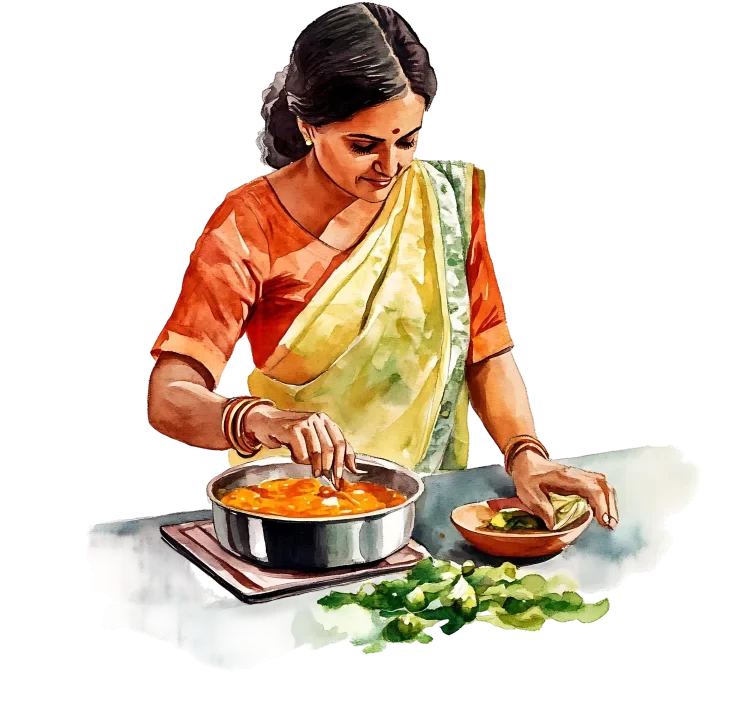
Yes! Pickles can be made without vinegar by using natural fermentation or salt-brining methods. Traditional Indian pickles often rely on salt and oil to preserve the ingredients and enhance their flavor. In fermented pickles, natural bacteria break down sugars into lactic acid, preserving the pickle without the need for vinegar.
For example, Andhra Avakaya and mango thokku are prepared using salt, oil, and spices instead of vinegar. Similarly, lime pickle Indian can be sun-dried with salt, which allows the natural juices to act as a preservative. Fermented pickles develop a tangy taste similar to vinegar-based varieties while retaining beneficial probiotics that aid digestion.
Can You Make Pickles Without Salt?
Salt plays a crucial role in pickle-making, acting as a preservative and flavor enhancer. However, if you want to reduce sodium, you can make pickles using alternative preservation methods like refrigeration or lacto-fermentation. Instead of salt, you can use lemon juice, whey, or probiotic cultures to preserve and flavor pickles.
For instance, garlic tomato pickle can be made with a combination of lemon juice and spices, while Andhra gongura pachadi uses tamarind for preservation. Another option is to refrigerate pickles, which slows down bacterial growth without the need for excessive salt. These methods create pickles with unique flavors while keeping them healthy for those monitoring their sodium intake.
What Are the Health Benefits of Eating Pickles?
Eating pickles offers several health benefits, making them a great addition to your diet. Fermented pickles are packed with probiotics that help maintain gut health by promoting good bacteria. This can lead to improved digestion, reduced bloating, and better overall gut function.
With their unique taste and impressive health benefits, pickles add flavor and nutrition to everyday meals. Whether it’s mango thokku or mixed veg pickle, adding a small portion of pickles to your diet can be both delicious and beneficial.

Are Pickles Good for Digestion?
Yes, pickles can play a crucial role in aiding digestion. Fermented pickles, such as Andhra Avakaya Pachadi, are rich in probiotics that introduce beneficial bacteria into the gut. These bacteria help in breaking down food, absorbing nutrients efficiently, and reducing digestive discomfort.
The spices used in pickles, like mustard seeds and fenugreek, also promote better digestion by stimulating bile production. However, pickles that are high in salt or artificial preservatives should be consumed in moderation, as they may lead to bloating or acidity in some individuals.
Incorporating pickles like usirikaya pickle and green black pepper pickle in small quantities can enhance digestion and improve gut health. If you have a sensitive stomach, opt for fermented pickles, as they are easier to digest and support a balanced microbiome.

Do Pickles Contain Probiotics?
Yes, but only fermented pickles contain probiotics. Fermented pickles, like Andhra Gongura Pachadi, undergo a natural fermentation process where beneficial bacteria convert sugars into lactic acid. This process enhances the gut-friendly bacterial content, making these pickles a natural source of probiotics.

Probiotics help maintain gut flora, which is essential for digestion and immune function. Fermented pickles like lime pickle Indian and mango inji pickle not only provide a tangy taste but also contribute to better nutrient absorption.
However, non-fermented pickles that use vinegar or artificial preservatives do not contain probiotics. If you are looking for pickles with probiotic benefits, opt for varieties that undergo natural fermentation without the addition of vinegar.
Are Pickles Good for Weight Loss?
If you’re looking for a way to add flavor to your meals without packing on extra calories, pickles might be a great addition to your diet. Many pickles, particularly those made with raw mango thokku and lime pickle Indian, are low in calories and can be a satisfying, tangy snack. Pickles that are fermented may also help improve digestion, which is important for metabolism.
The high vinegar content in some pickles, especially green black pepper pickle, may help control blood sugar levels and curb appetite, leading to better portion control. Additionally, pickles are rich in probiotics, which can enhance gut health, a factor that plays a significant role in maintaining a healthy weight.

Adding fermented pickles to your diet can improve gut health, prevent bloating, and enhance digestion. Including small servings of probiotic-rich pickles like amla ka achar and garlic achaar in your meals can be an easy way to maintain a healthy digestive system. If you want maximum probiotic benefits, look for traditionally made pickles that are aged naturally instead of those preserved using vinegar.
Are Pickles Keto-Friendly?
Yes, pickles can be a great addition to a keto-friendly diet, provided they are low in sugar and carbs. Pickles like garlic tomato pickle and mango inji pickle are naturally low in carbohydrates and can be consumed freely on a keto diet. They add flavor to meals without increasing calorie intake.
Fermented pickles, such as Andhra Gongura Pachadi, offer probiotics, which are beneficial for digestion, a key aspect of keto dieting. These pickles help in maintaining gut health, which is essential when following a high-fat, low-carb diet. Additionally, green pepper pickle benefits include aiding metabolism and digestion.
However, caution is needed when choosing pickles for a keto diet. Some pickles contain added sugars, which can disrupt ketosis. Always check the ingredient list to ensure the pickles are free from artificial sweeteners and preservatives. Lime pickle Indian, garlic achar, and amla ka achar are excellent choices for keto followers looking for a flavorful addition to their meals.
Can Pregnant Women Eat Pickles?
However, while pickles can be a delicious and satisfying craving, it’s essential to consume them in moderation. Pickles tend to be high in salt, which can contribute to water retention and swelling, common concerns during pregnancy. Opting for organic pickles or low-sodium varieties can help reduce this risk.
Another benefit of eating pickles during pregnancy is their potential to aid digestion. Andhra Avakaya Pachadi and usirikaya pickle contain probiotics that promote gut health, which can be helpful in alleviating common pregnancy-related digestive issues.
However, pregnant women should avoid pickles that contain artificial preservatives or excessive vinegar, as these may lead to acidity or heartburn. Consulting a doctor before consuming large amounts of pickles is always a good idea to ensure they fit within a balanced pregnancy diet.
What Are the Side Effects of Eating Too Many Pickles?
While pickles offer many benefits, consuming them in excess can lead to health concerns. One of the primary issues is the high sodium content in pickles, particularly in varieties like Andhra Avakaya and mango inji pickle. Too much salt can lead to water retention, bloating, and even high blood pressure over time.
The acidity in pickles, especially those preserved in vinegar, can cause digestive issues like acid reflux or heartburn, particularly if consumed frequently. Some people may also experience stomach irritation due to the spices used in pickles, such as chili and mustard seeds.
Additionally, while fermented pickles provide probiotics, excessive consumption may lead to an imbalance in gut bacteria, causing digestive discomfort. Moderation is key when enjoying pickles, ensuring they complement your diet without leading to unwanted side effects.
What Is the Shelf Life of Homemade Pickles?
Homemade pickles made with salt and oil, such as mango thokku and garlic achaar, can last up to a year if kept in a cool, dark place. Vinegar-based pickles, like lime pickle Indian, typically last 6 months to a year when refrigerated.
Ensuring proper hygiene during the preparation process is crucial to extending shelf life. Using clean, dry utensils and airtight containers can prevent contamination and spoilage. Checking for changes in smell, color, or texture can help determine if the pickles are still safe to eat.
How Do You Store Pickles Properly?
Storing pickles correctly is essential for maintaining their taste and longevity. The best way to store pickles is in glass or ceramic jars, as they prevent chemical reactions that may alter flavor. Plastic containers should be avoided, as they can absorb oils and spices, leading to unwanted contamination.
For oil-based pickles, such as mango inji pickle and green black pepper pickle, storing them in a cool, dry place away from sunlight helps retain their flavor and prevents rancidity. Vinegar-based pickles, like lime pickle Indian, should be refrigerated after opening to extend their shelf life.
Using a clean, dry spoon every time you take out pickles ensures that no moisture or bacteria enter the jar, which can lead to spoilage. Airtight sealing of jars is also essential, preventing unnecessary exposure to air and moisture. By following these storage techniques, you can enjoy your favorite pickles for months without compromising on taste or quality.
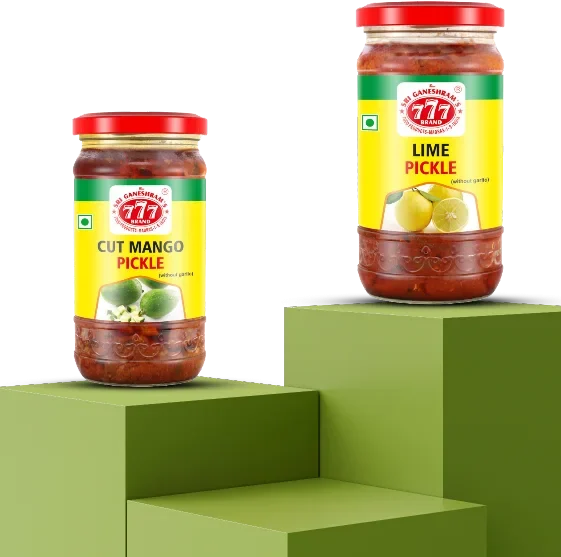
What Are the Best Containers for Storing Pickles?
Choosing the right container is essential for keeping pickles fresh and flavorful. The best option is glass jars, as they do not react with the acidic content of pickles and prevent unwanted chemical interactions. Ceramic containers are also ideal, especially for traditional Andhra Avakaya and garlic achaar, as they help preserve the authentic taste.
Plastic containers should generally be avoided because they can absorb oil and spice flavors, affecting the integrity of the pickles over time. Stainless steel is another option, but it should be lined with food-grade coating to prevent metal reactions with vinegar or salt in pickles.
Ensuring a tight seal on your container is crucial. Airtight lids prevent exposure to moisture and air, keeping pickles fresh for longer. Always store pickles in a cool, dry place away from direct sunlight to maintain their original taste and texture. Labeling containers with the date of pickling ensures you track their shelf life effectively.
How Do You Know If Pickles Have Gone Bad?
It’s important to recognize signs that indicate pickles have spoiled. The first sign is a change in smell—if your pickles develop a strong, unpleasant odor, they are likely spoiled. Another warning sign is a cloudy or foamy brine, which can indicate bacterial contamination.
If the texture of your pickles becomes slimy or excessively soft, they may no longer be safe to eat. Mold growth inside the jar or on the surface of the brine is another clear indication that the pickles should be discarded immediately. Discoloration, such as a faded or unnatural hue, is another warning sign.
Taste is another factor—if the pickles have an off-putting or overly sour taste beyond normal fermentation, they may have gone bad. Always inspect your pickles carefully before consuming, especially if they have been stored for a long time. Consuming spoiled pickles can lead to digestive discomfort and food poisoning, so when in doubt, throw them out.
Why Do Pickles Turn Soft or Mushy?
Soft or mushy pickles are often caused by incorrect preparation or storage methods. One major reason is using the wrong type of salt—table salt contains additives that can break down the firmness of pickles. Instead, use pickling salt or sea salt for the best results.
Another reason for mushy pickles is overripe vegetables. Andhra tomato pickle and garlic achar should be made with fresh, firm ingredients to maintain texture. Over-boiling or storing pickles in warm conditions can also lead to a loss of crispness.
Adding a grape leaf or a few green tea leaves to the pickling jar can help keep pickles firm. The tannins in these leaves naturally prevent pickles from softening too quickly. Ensuring that all pickles are fully submerged in brine and using a well-sealed container can further extend their crispness. Additionally, refrigerating pickles can slow down the softening process, keeping them crunchy for longer.
Why Do Pickles Taste Sour?
The sour taste of pickles comes from the fermentation process or the use of acidic ingredients like vinegar. Fermented pickles, such as Andhra Avakaya Pachadi, develop their tangy flavor through lactic acid fermentation, where natural bacteria break down the sugars in the ingredients. This process produces lactic acid, which gives pickles their characteristic tangy bite.
Alternatively, non-fermented pickles, such as lime pickle Indian and garlic achar, derive their acidity from vinegar or lemon juice. These acidic agents preserve the pickles while enhancing their taste. Additionally, some pickles, like green pepper pickle, use citric acid or tamarind to create a natural tangy flavor.
The longer pickles are left to ferment, the stronger their sourness becomes. Temperature also plays a role—warmer climates speed up fermentation, intensifying the sourness of pickles. To control the tanginess of homemade pickles, one can adjust the fermentation time or the ratio of vinegar and salt used.
How Do You Fix Overly Salty Pickles?
Sometimes, pickles can turn out too salty due to excess salt in the brine. However, this can be fixed with a few simple methods. One effective way is to rinse the pickles in cold water before serving. This works well for garlic tomato pickle and mango inji pickle, where surface saltiness can be removed easily.
For homemade pickles, diluting the brine with more vinegar or lemon juice can balance the saltiness. Adding a little sugar or jaggery to Andhra tomato pickle or mirchi achar can also help counteract the excessive salt without compromising the taste.
How Do You Reduce Salt Content in Pickles?
If you want to make low-sodium pickles, there are several ways to reduce the salt content without compromising flavor or preservation. One way is to use less salt from the start while making homemade pickles. Traditional recipes like lime pickle benefits and garlic achaar can be modified to use alternative preservation methods, such as extra vinegar or lemon juice.
Another approach is diluting the brine by adding more vinegar, water, or sugar. This works particularly well for amla ka achar and usirikaya pickle, where the balance between sweet, tangy, and salty flavors is essential.
For store-bought pickles, draining and rinsing them under cold water before serving can help reduce surface salt content. If fermenting pickles, ferment them at a lower temperature for a longer period, as rapid fermentation tends to absorb more salt.
Additionally, using fresh herbs like coriander, cumin, or fenugreek can enhance the flavor profile, reducing the need for excessive salt in mixed veg pickle or onion pickle. Experimenting with alternative seasonings ensures pickles remain flavorful while containing less sodium.
What Are Some Quick Pickles Recipes?
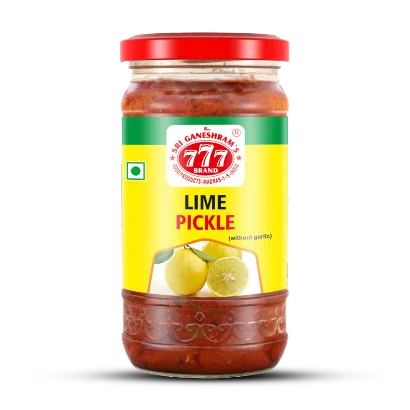
Lime Pickles? Indian (Instant Method)
1. Chop fresh limes and mix them with salt, turmeric, and chili powder.
2. Add roasted mustard seeds and fenugreek powder.
3. Heat mustard oil until hot, let it cool slightly, and pour over the mixture.
4. Store in a jar and shake daily for 3-4 days before consuming.
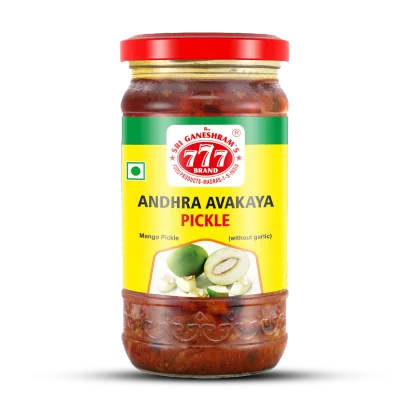
Andhra Mango Pickles? (Quick Version):
1. Dice raw mangoes and mix them with salt, red chili powder, and asafoetida.
2. Heat sesame oil and add mustard seeds and dried red chilies.
3. Pour over the mango mixture, stir well, and let sit for 24 hours before eating.
Garlic Tomato Pickles:
1. Blend ripe tomatoes into a paste and cook with garlic, chili powder, salt, and jaggery.
2. Add tamarind paste for extra tanginess.
3. Store in an airtight container and enjoy after 48 hours.
Amla Pickles:
1. Prepare the Amlas: Wash and chop fresh amlas into small pieces. Mix them with salt, turmeric, red chili powder, and asafoetida.
2. Cook the Oil: Heat mustard oil until hot, then let it cool slightly. Pour it over the amla mixture and add roasted mustard seeds and fenugreek powder.
3. Store and Shake: Store the pickle in a jar and shake it daily for 3-4 days before enjoying.
These recipes provide quick, easy ways to enjoy the rich flavors of pickles without waiting weeks for fermentation. Enjoy them with rice, roti, or even as a side for snacks.
Frequently Asked Questions
Most pickles require a resting period for the flavors to develop. Instant pickles like garlic tomato pickle can be eaten within 24 hours, while traditional fermented pickles like Andhra mango pickle need at least 10-15 days to mature. The resting period depends on the method of pickling and the ingredients used.
Water plays a key role in making pickles, especially when fermenting. It helps dissolve salt and spices, allowing flavors to penetrate the ingredients. Brined pickles, such as green black pepper pickle, rely on water to maintain their moisture balance, while oil-based pickles use minimal water.
Yes! Pickles contain essential vitamins like Vitamin C and Vitamin K. Fermented pickles, such as amla ka achar, are also rich in probiotics that promote gut health. Additionally, ingredients like garlic achaar provide antioxidants that support immunity.
One fun fact: The world’s largest pickle festival takes place in Pennsylvania every year, attracting thousands of pickle lovers! In India, Andhra pickles are so famous that some households have secret recipes passed down for generations.
Pickles have a long shelf life due to their preservation methods. The combination of salt, vinegar, or oil prevents bacterial growth. Some pickles, like mirchi achar, last for years if stored properly in airtight containers.