Overview
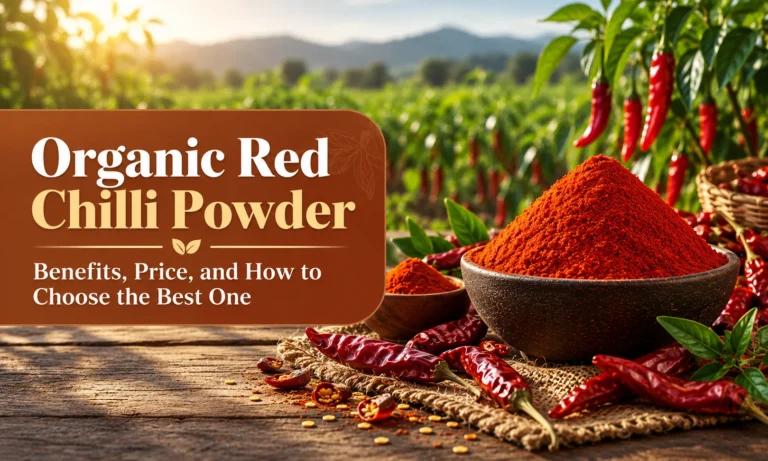
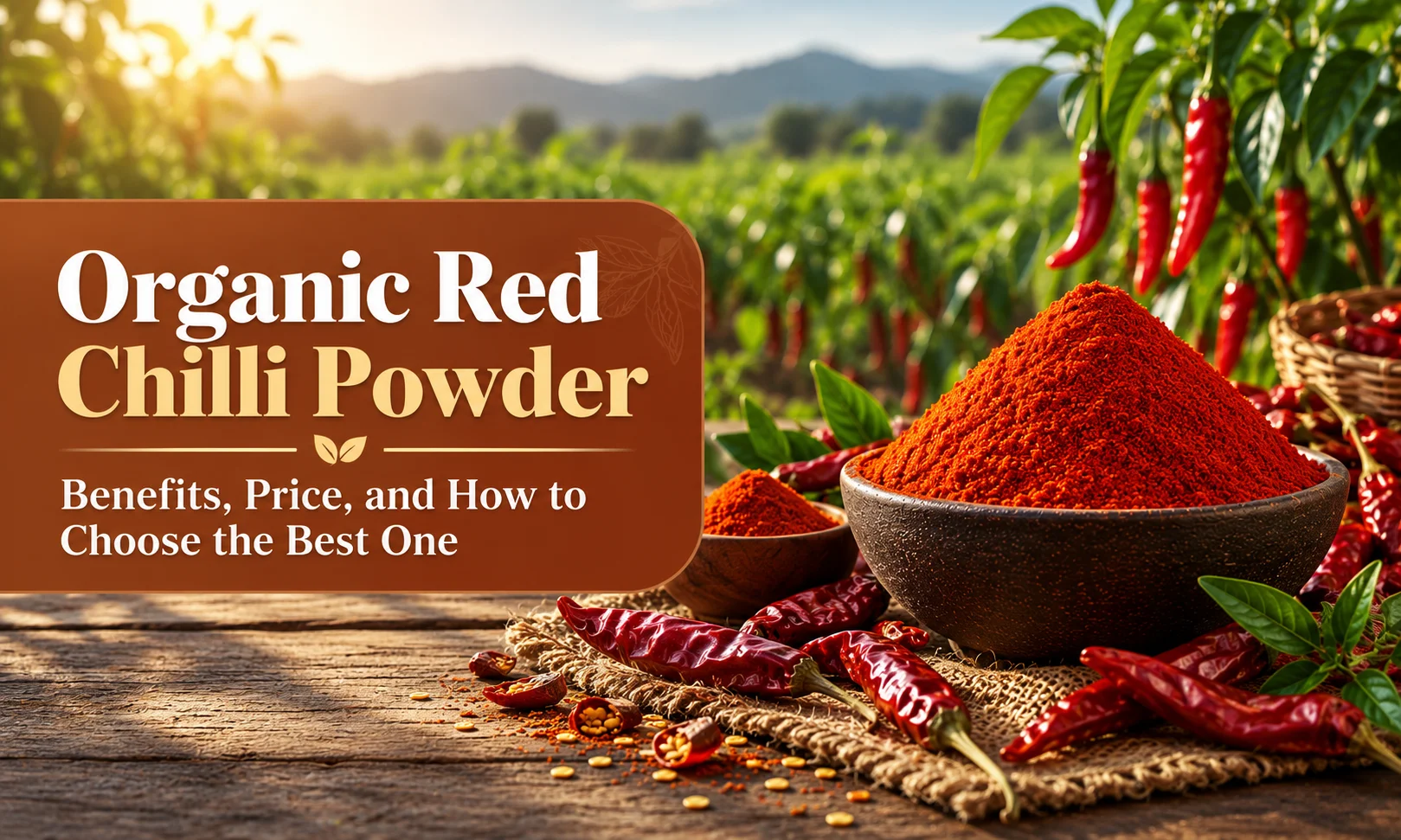
Organic red chilli powder is made from chillies grown without synthetic pesticides or chemical fertilisers, then dried and milled using controlled processes. It typically costs more than regular chilli powder due to certification and farming practices, but many health-conscious buyers prefer it for reduced chemical residue and often stronger natural colour and aroma.
What Does Organic Red Chilli Powder Actually Mean?
Organic red chilli powder refers to chilli powder made from pods grown under certified organic farming practices, which means no synthetic pesticides, chemical fertilisers, or genetically modified seeds are used during cultivation. The distinction is not just marketing language, since certified organic farms are typically inspected and must meet specific soil and input standards before their produce can carry the organic label.
This is different from a standard organic chilli powder claim without certification, where the term may be used loosely without third-party verification.
Shoppers who care about this distinction should look for a recognised certification mark on the packaging rather than relying on the word “organic” printed alone.
Organic Kashmiri Red Chilli Powder and Other Popular Variants
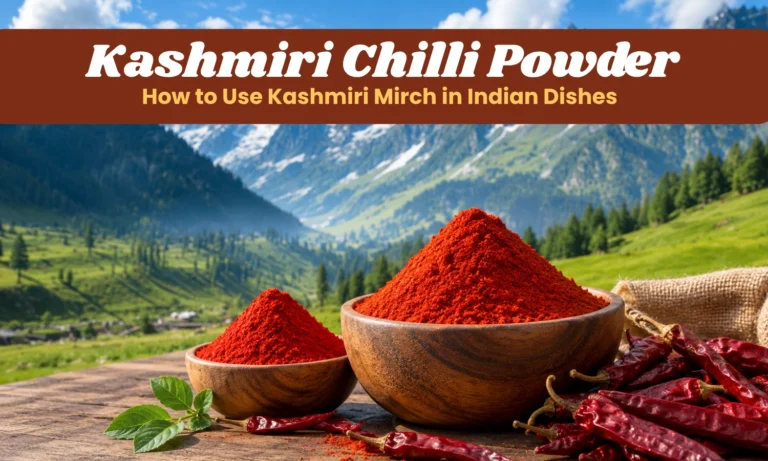
Organic Kashmiri red chilli powder combines the mild heat and strong colour associated with the Kashmiri variety with organic farming practices, making it a popular choice among households that want both a specific flavour profile and reduced chemical exposure. This variant is frequently used in colour-forward dishes such as tandoori marinades, where the absence of synthetic residue is seen as an added benefit alongside taste. It is also an ideal pantry staple when prepping flavour-packed meals in minutes for busy weeknights, delivering rich colour without overwhelming spice.
Beyond Kashmiri, organic lal mirch powder made from other chilli varieties is also available, though selection tends to be narrower compared to conventionally grown chilli powder simply because organic cultivation requires more careful management and generally yields less per acre.
Is Organic Chilli Powder Actually Healthier? - A Must-Have Discussion
Comparisons on the benefits of organic red chilli powder vs. regular chilli powder often focus on the absence of pesticide residue rather than a dramatic difference in core nutrition, since the vitamin C, capsaicin, and antioxidant content in the chilli itself do not change significantly based on farming method alone. The primary health argument for organic chilli powder rests on reduced exposure to chemical inputs used during cultivation.
Because mild organic chilli powders provide vibrant colour without a harsh burn, parents often prefer them when making homemade savoury treats or healthy snacks for kids, such as roasted chickpeas, makhana, or sweet potato wedges, ensuring taste without chemical additives.
Some buyers also report that natural red chilli powder grown organically tends to have a more pronounced, less muted flavour, potentially because organic farming practices often align with traditional sun drying and minimal processing rather than heavy industrial handling. This is not a guaranteed rule across every brand, but it is a commonly cited observation among households that have switched.
Best Organic Chilli Powder: What to Check Before Buying
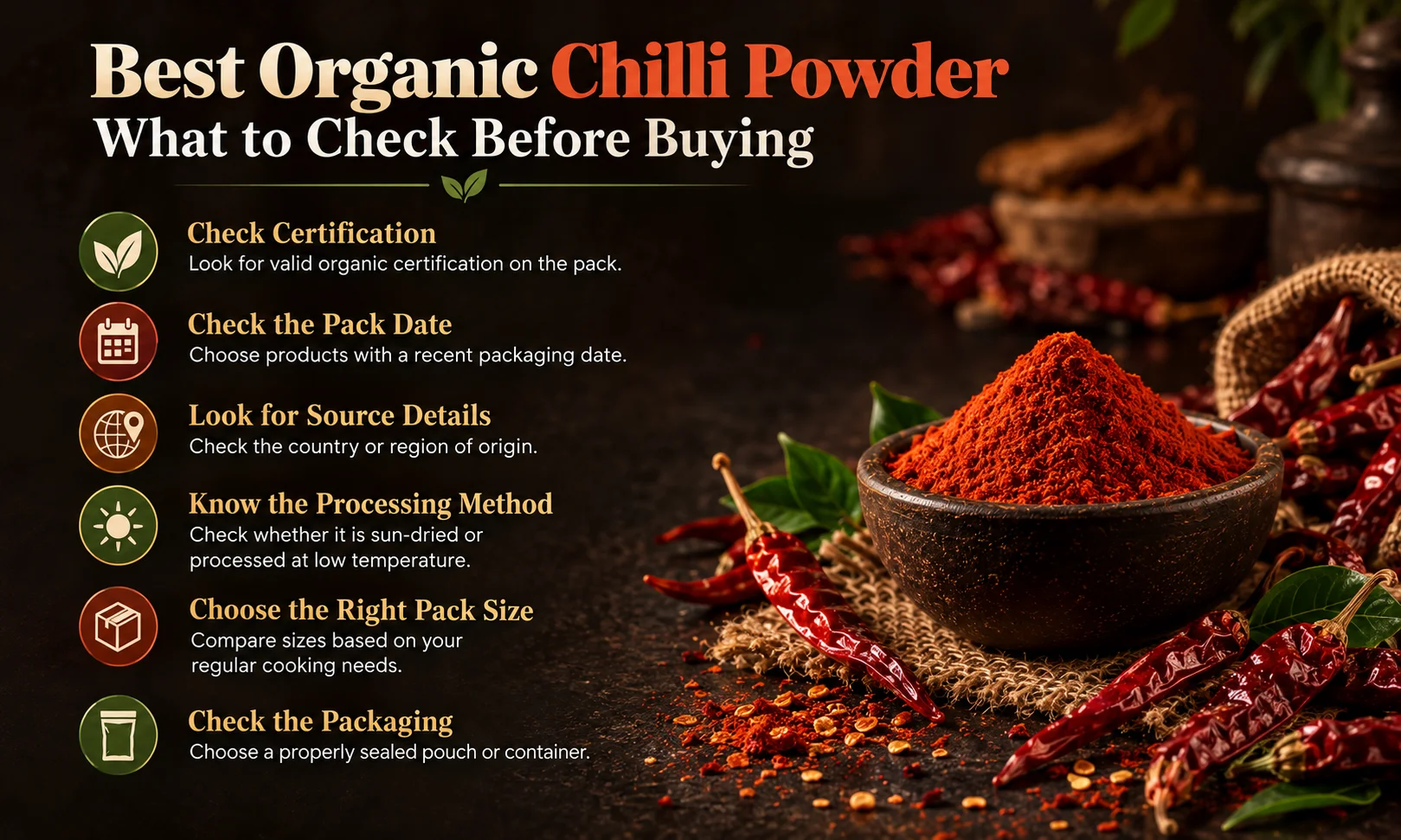
- Identifying the best organic chilli powder starts with verifying certification, since an uncertified product using the word "organic" on its label offers no independent guarantee of the farming practices behind it.
- Beyond certification, checking for a recent packaging date, a sealed pouch or container, and a clear country or region of origin all help confirm quality.
- The best organic red chilli powder brands typically disclose their sourcing region and processing method, whether that is traditional sun drying or a controlled low-temperature mechanical process that preserves colour and nutrients better than high-heat drying.
- Buyers looking to buy organic red chilli powder for regular household use should also compare pack sizes carefully, since organic products are often sold in smaller quantities compared to conventional chilli powder. This high-potency spice works exceptionally well when crafting home condiment staples or quick pickle recipes, where a clean, potent chilli flavour acts as the centerpiece.
Organic Red Chilli Powder Price and Why It Costs More
Organic red chilli powder price typically runs higher than conventional red chilli powder, and this difference comes down to several factors rather than marketing alone. Organic farming generally involves lower yield per acre, higher labour input for pest management without synthetic chemicals, and mandatory certification costs that get passed on through the supply chain.
For households or small food businesses weighing if the price difference is worth it, the decision usually comes down to priorities. If reduced chemical exposure and support for sustainable farming practices matter more than upfront cost, organic chilli powder is a reasonable choice.
If budget is the primary concern and the household already trusts a quality-tested conventional brand, a well-sourced regular red chilli powder organic in name only, without full certification, may not justify the extra spend.
Choose the Right Chilli Powder for Your Kitchen
Organic red chilli powder offers a meaningful alternative for households that prioritise reduced chemical exposure and sustainable farming practices, though it comes at a higher price point than conventional chilli powder. Whether it is the right choice depends on individual priorities around budget, taste preference, and how much weight a buyer places on certification. Checking sourcing details and certification marks remains the most reliable way to separate a genuinely organic product from one using the label loosely.
777 Foods offers a carefully processed range of red chilli powders from its Tamil Nadu facility, with clear labelling and consistent quality checks across every batch. If you are deciding between organic and conventional options, browse the current range on the official 777 Foods store to compare sourcing details and pack sizes before you buy.
Key Takeaways
- Organic red chilli powder is grown without synthetic pesticides or chemical fertilisers and should carry a recognised certification mark rather than just the word "organic" on the label.
- Organic Kashmiri red chilli powder combines mild heat and strong colour with organic farming practices, popular for tandoori and colour-forward dishes.
- Core nutrition does not change dramatically with organic farming, but “benefits of organic red chilli powder vs. regular red chilli powder” comparisons usually centre on reduced chemical residue.
- The best organic chilli powder brands disclose sourcing region, processing method, and certification details rather than relying on vague labelling.
- Organic red chilli powder price is generally higher due to lower yield, more labour-intensive farming, and certification costs across the supply chain.
FAQs
Is organic red chilli powder spicier than regular chilli powder?
Spice level in organic red chilli powder depends on the chilli variety used, not the farming method, so an organic Guntur-based powder will still be spicier than an organic Kashmiri-based one. Organic certification affects how the chilli is grown, not how hot the variety itself naturally is.
How can I tell if organic Kashmiri red chilli powder is genuine?
Check for a recognised organic certification logo on the packaging along with a batch number and manufacturing date. Genuine organic Kashmiri red chilli powder brands are usually transparent about their sourcing region and are willing to share certification details if asked directly.
Does organic chilli powder have a shorter shelf life?
Not necessarily, since shelf life depends more on drying method, moisture content, and packaging quality than on if the chilli was grown organically. A well-processed and properly sealed pack of organic red chilli powder can last just as long as a conventional one.