Enjoy FREE SHIPPING on orders ₹300 and above! Track your orders easily by clicking here: My Account > Orders > Track Now Get 25% Off On Your 1st Order: Shop Now Enjoy FREE SHIPPING on orders ₹300 and above! Track your orders easily by clicking here: My Account > Orders > Track Now Get 25% Off On Your 1st Order: Shop Now
Best Sellers You’ll Love
sgr777foodssgr777foodssgr777foods
044-4850-6487
sgr777foodssgr777foodssgr777foods
Cart: 0 - 0.00

Red Chilli in India

Red Chilli in India:

Types, Uses, Benefits, Price, and Buying Guide

Overview
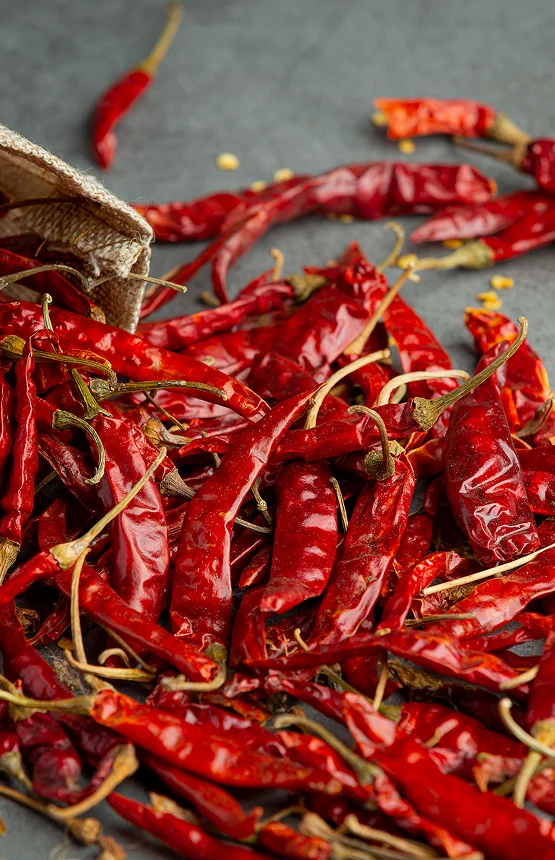
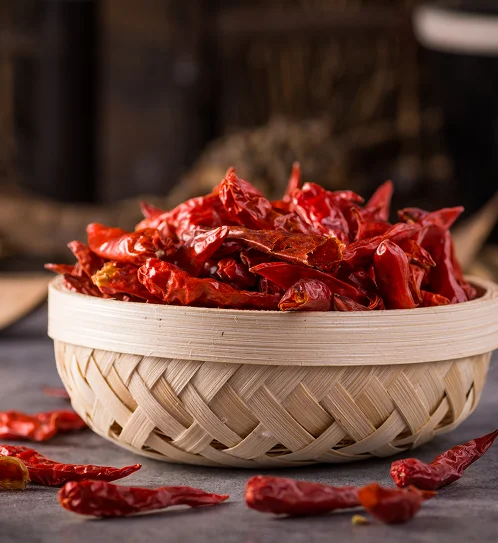
Red chilli is a staple Indian spice used fresh, dried, or ground into powder for colour, flavour, and heat. Popular varieties include Kashmiri, Byadgi, and Guntur chilli, each suited to different dishes. Prices vary with variety, quality, and packaging. Red chilli offers capsaicin, vitamin C, and antioxidant content, which are valued across traditional South Indian cooking.

What Is Red Chilli, and Why Does It Matter in Indian Kitchens?
Red chilli is the ripened, deep-coloured fruit of the Capsicum family, harvested fresh or sun-dried and used across nearly every regional Indian cuisine. In South Indian households, it forms the base of everyday tempering, spice mixes, and pickles, and in the north, it appears in curries, marinades, and dry chutneys made from dried red chilli.
Most kitchens keep red chilli in two forms, the whole dried pod and ground red chilli powder. The whole pod, often called dry chilli, is added to hot oil or ghee at the start of cooking to release its aroma before it fades. Ground red chilli powder, produced by drying and milling the pods, is the more frequently used pantry staple because it dissolves directly into gravies, marinades, and batters.
India remains one of the largest producers and consumers of chilli in the world, with Andhra Pradesh, Karnataka, Telangana, and Madhya Pradesh contributing the bulk of domestic supply. Chilli cultivation in India spans several lakh hectares each season, feeding both the local spice trade and export markets across the Middle East, Southeast Asia, and beyond.
For a manufacturer like 777 Foods, which has produced packaged spices and daily cooking essentials from Tamil Nadu for decades, red chilli is not a single ingredient but a category with its own quality markers, covering colour retention, pungency, moisture content, and grinding consistency. Knowing these basics helps home cooks and food businesses pick the right variety and grade for a specific recipe rather than reaching for whatever sits on the nearest shelf.

Types of Chillies Used in Indian Cooking

India grows a wide range of chilli cultivars, but a handful dominate commercial and household use, especially for those looking to whip up effortless meals in minutes. Understanding the types of chillies available makes it easier to choose the right heat level and colour for a dish, and it also explains why one packet of chilli powder can taste sharper than another even at the same weight.
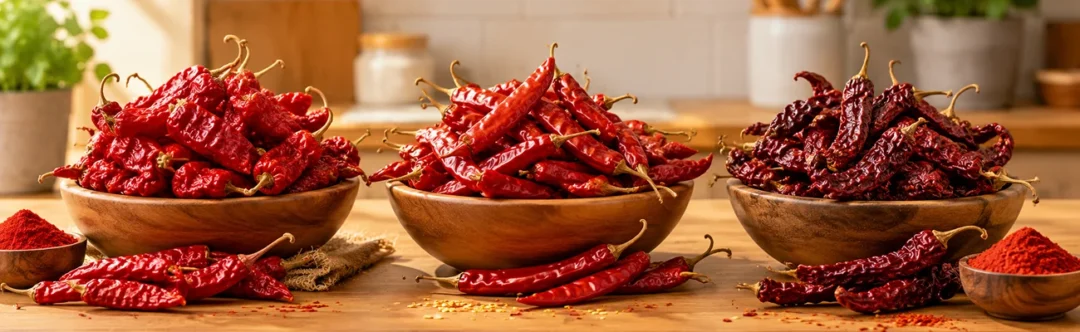
Kashmiri chilli is known for its deep red colour and comparatively mild heat, which makes it a favourite for tandoori marinades and dishes where visual richness matters as much as spice.
Byadgi chilli, grown mainly around the Byadagi belt of Karnataka, shares a similarly vivid colour with a touch more pungency and is often used interchangeably with Kashmiri chilli in South Indian recipes.
Readers weighing Byadgi chilli vs Kashmiri chilli for a particular recipe will usually find the two close in colour output, with Byadgi running noticeably hotter on the tongue.
Variety Region Grown Heat Profile Typical Kitchen Use
Kashmiri Chilli Jammu and Kashmir, also grown in Karnataka Mild Colour-forward curries, tandoori marinades
Byadgi Chilli Karnataka Medium Powder, pickles, chutneys
Guntur Chilli Andhra Pradesh High Spicy curries, mixed chilli powders
Home cooks who are still exploring the different types of chillies often start by keeping one mild variety, such as Kashmiri, and one sharper variety, such as Guntur, on hand, then adjust the ratio depending on the dish being prepared.

Red Chilli Powder: How It Is Made and Why Quality Matters
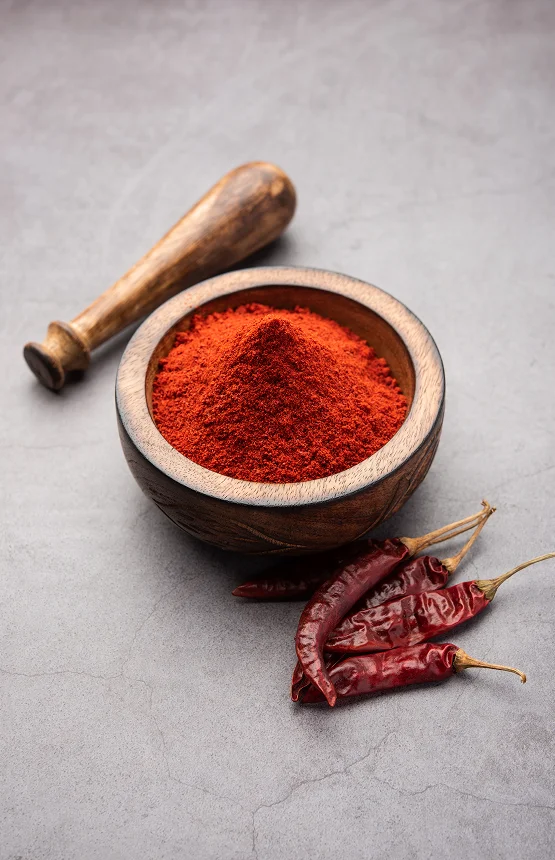
Red chilli powder begins with harvested pods that are sun-dried or mechanically dried to remove moisture before grinding. Traditional sun drying, still common in producing regions, can take several days depending on humidity, while mechanical drying shortens the process and gives manufacturers more control over consistency at scale.
Once dried, the pods are cleaned, deseeded to varying degrees depending on the desired heat, and milled into fine or coarse powder. The finer the mill, the more uniform the colour and the smoother the powder feels between the fingers, which is one of the simplest ways to judge quality at home. Good mirchi powder should feel dry rather than clumpy, and it should carry a strong natural aroma rather than a flat or musty smell.
Quality control in commercial red mirchi powder production also involves checking for adulteration. Reports over the years have flagged the use of unauthorised colourants such as Sudan dyes in some low-cost chilli powders to enhance redness artificially, which is why buying from an established, food-safety-compliant manufacturer matters more than chasing the lowest price per kilogram. Reputable mirch powder brands test batches for colour value, moisture, and microbial safety before packaging.
Kashmiri chilli powder, including specialty grades sold as Kashmiri Lal Mirch powder, is milled slightly differently to preserve its signature colour without pushing up the heat, which is why it commands a distinct place on the shelf compared to a general-purpose mix.

Kashmiri Chilli vs. Other Varieties: Colour, Heat, and Culinary Use
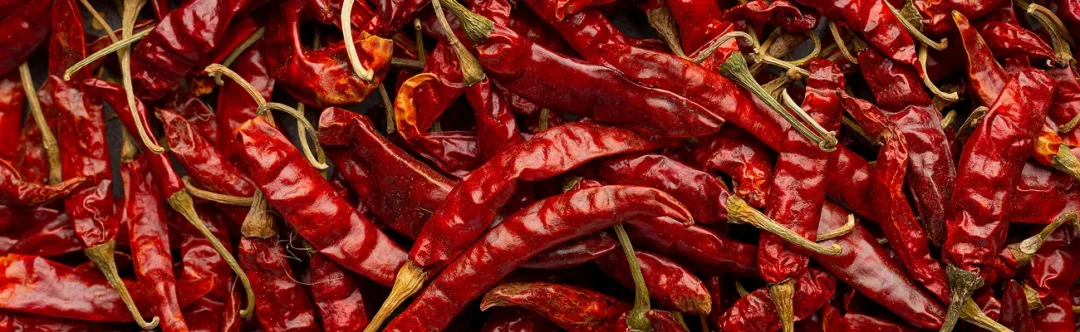
Kashmiri red chilli stands apart from other Indian varieties primarily because of its colour yield rather than its pungency. Chefs and home cooks use it specifically when dishes, such as tandoori marinades or certain South Indian gravies, need a rich red tone without overwhelming heat.
The Scoville scale measures the spiciness or pungency of chilli and foods derived from it. Created by American pharmacologist Wilbur Scoville in 1912, it quantifies heat levels based on the concentration of capsaicin – the chemical compound that triggers a burning sensation on your tongue.
Kashmiri powder, the ground form of Kashmiri chilli, is milled to retain that colour while keeping the Scoville level relatively low compared to Guntur or Byadgi. This makes it forgiving for households cooking for mixed spice tolerances, including children or elderly family members, since it delivers visual appeal without a sharp aftertaste.
Kashmiri red chilli powder is frequently mixed with a small quantity of a hotter variety, such as Byadgi or Guntur, to strike a balance between appearance and taste. Many packaged chilli powder mixes sold in Indian grocery stores use exactly this combination, which is worth checking on the ingredient list if a shopper wants a purer single-origin Kashmiri chilli experience.

Red Chilli Price in India: What Affects the Cost?

The red chilli price in India moves with several factors rather than staying fixed across seasons.
For the most current Premium Red Chilli Powder price from 777 Foods, shoppers can check the brand’s official listings directly rather than depending on outdated figures found elsewhere online.

The Must-Know Health Benefits of Red Chilli

Red chilli benefits stem mainly from capsaicin, the compound responsible for its heat, along with a meaningful content of vitamin C, vitamin A, and antioxidants such as carotenoids.

That said, red chilli benefits come with a catch. Excessive consumption can irritate the digestive lining for some individuals, particularly those with existing acidity or ulcer conditions, so moderation remains the sensible approach rather than treating chilli as a health supplement. 

A closer, dedicated look at whether red chilli powder is good for health for different individuals follows in a separate detailed piece.

Everyday Uses: From Pickle and Chutney to Paste and Flakes
Beyond curries and tempering, red chilli finds its way into a wide range of Indian condiments. Red chilli pickle, made by preserving whole or cut chillies in oil, salt, and spices, is a household staple that can last for months when stored correctly and is often served alongside rice, curd rice, or parathas. Regional variations of red chilli pickle differ mainly in the spice mix and the ratio of oil used for preservation.
Red chilli chutney, ground with garlic, tamarind, or coconut, depending on the region, offers a quicker way to add heat to instant ready meals without the long shelf life of a pickle. 
Red chilli paste, a smoother preparation often made by soaking dried red chilli and mixing it with a little water or vinegar, is increasingly used in modern kitchens as a quick base for marinades, stir-fries, and fusion dishes, since it saves the step of grinding whole chillies each time.
Red chilli flakes, made from coarsely crushed dried pods, are commonly sprinkled over pizzas, pastas, and snacks for a quick heat boost without the deeper cooked flavour of powder. Unlike fresh red chilli, which carries a brighter, slightly grassy taste, dried and flaked forms deliver a more concentrated, smoky heat because Drying removes moisture and concentrates the chilli’s flavour and heat relative to its fresh weight.

How to Choose the Best Red Chilli Powder for Your Kitchen?

Selecting a good red chilli powder comes down to a few checks rather than brand reputation alone. Colour should look natural rather than unusually bright, moisture should be low enough that the powder does not clump, and the aroma should be sharp rather than stale. Buyers who want a milder profile with strong colour typically lean towards Kashmiri red chilli powder, while those who cook spicier South Indian or Andhra-style food often prefer a Guntur or Byadgi-based mix.
Shoppers exploring an organic option, or comparing the best chilli powder brands available in Indian grocery stores and online platforms, will find dedicated guidance in the linked articles below. It is also worth noting that paprika vs chilli powder is a common point of confusion for those following international recipes, since paprika is milder and made differently, a distinction covered in detail further in this content series.

Selecting the Right Red Chilli for the Right Dish
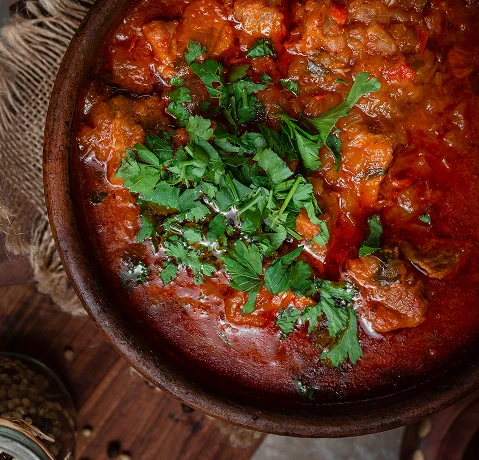
Red chilli remains one of the most versatile ingredients in traditional Indian foods, moving between fresh pods, dried whole chillies, coarse flakes, smooth paste, and fine powder depending on the dish. Understanding the different varieties, what drives red chilli price, and how to judge quality in a packet of red chilli powder helps both home cooks and small food businesses make better purchasing decisions. 
The cluster of articles linked throughout this guide covers each of these topics in far greater depth, from Byadgi chilli vs. Kashmiri chilli to organic options, pricing, health effects, and more.
To explore the entire range of spices and other products from 777 Foods, visit the website

Bring Home Quality You Can Taste!

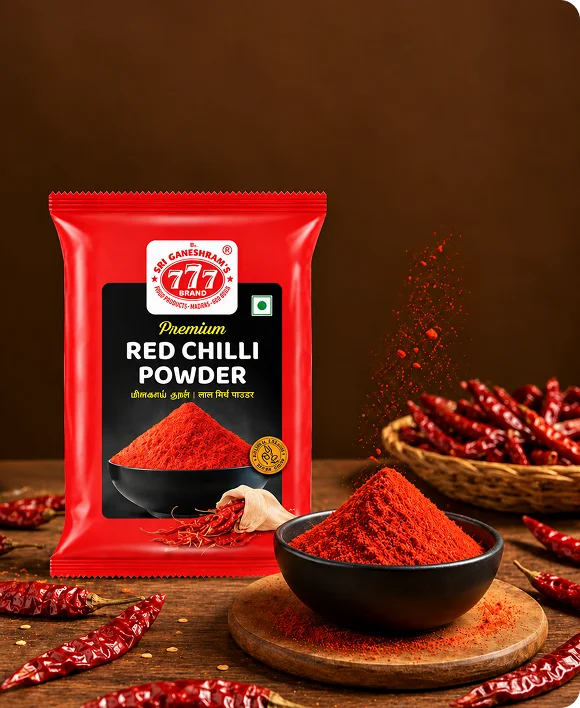
777 Foods has manufactured packaged spices and daily cooking essentials from Tamil Nadu for decades, with a focus on colour retention, controlled moisture, and consistent grinding across every batch of red chilli powder. If the kitchen is a busy household, a hostel mess, or a small food business, checking the current range and pack sizes on the official 777 Foods store makes it easier to restock the right variety before the next cooking session runs short.
Key Takeaways

Red chilli comes in several Indian varieties, with Kashmiri offering colour and mild heat, Byadgi offering colour with medium heat, and Guntur offering the sharpest bite.
Red chilli powder quality depends on the drying method, milling fineness, and whether the manufacturer tests for adulteration and moisture content.
Red chilli price and chilli powder price move with monsoon conditions, packaging size, and brand quality checks, so comparing per-kilogram rates matters more than sticker price.
Red chilli benefits include capsaicin, vitamin C, and antioxidant content, though moderation is important for people with digestive sensitivity.
Everyday preparations such as red chilli pickle, red chilli chutney, red chilli paste, and red chilli flakes each suit different cooking situations, from long shelf life to quick weekday use.

Frequently Asked Questions

What is the difference between lal mirch and red chilli powder?
Lal mirch is simply the Hindi term for red chilli, and in most kitchens, it refers to the same ground spice sold as red chilli powder. The terms are used interchangeably across Indian grocery packaging, though some regional brands print both names to reach a wider audience.
Red mirchi is a general term for red chilli in several Indian languages and is not limited to one variety. Kashmiri chilli is a specific type of red mirchi known for its mild heat and strong colour, so all Kashmiri chilli is red mirchi, but not all red mirchi is Kashmiri.
Fresh red chilli should be refrigerated and used within a week or two, since it loses firmness and flavour quickly at room temperature. Dried red chilli and its powdered form last far longer when kept in an airtight container away from moisture and direct sunlight, often retaining quality for several months.
For most everyday needs, a mix that combines the colour of Kashmiri chilli powder with the heat of Byadgi or Guntur chilli works well across curries, marinades, and dals. Households that prefer a milder daily meal often keep a pure Kashmiri pack aside for dishes where colour matters more than spice level.
Cart

Create your account

Select the fields to be shown. Others will be hidden. Drag and drop to rearrange the order.
  • Image
  • SKU
  • Rating
  • Price
  • Stock
  • Availability
  • Add to cart
  • Description
  • Content
  • Weight
  • Dimensions
  • Additional information
Click outside to hide the comparison bar
Compare