Overview
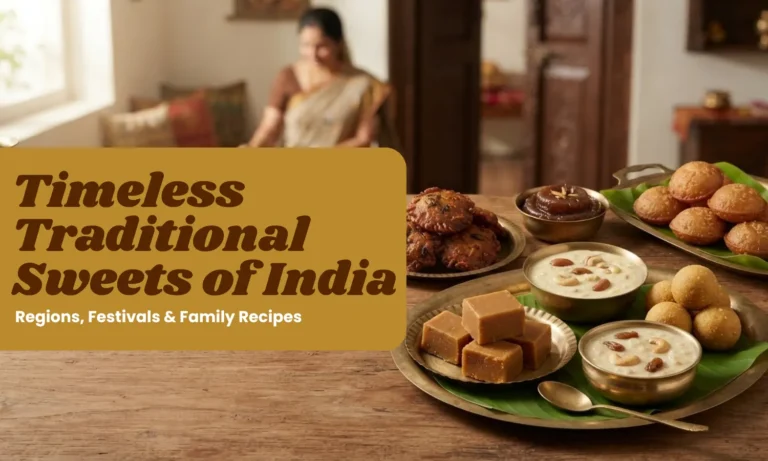
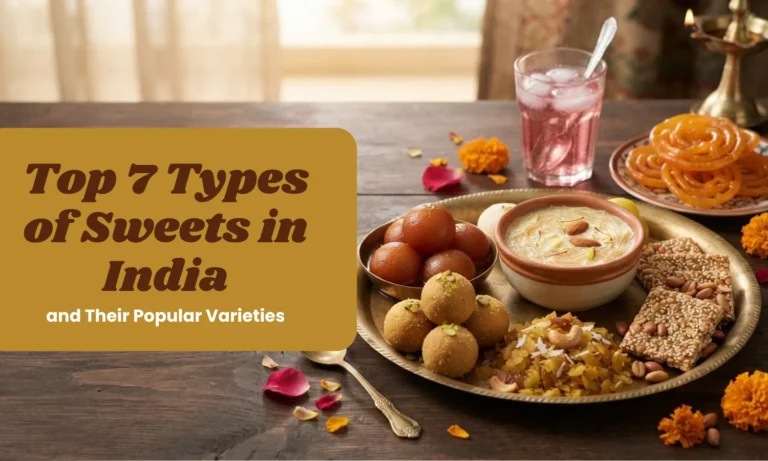
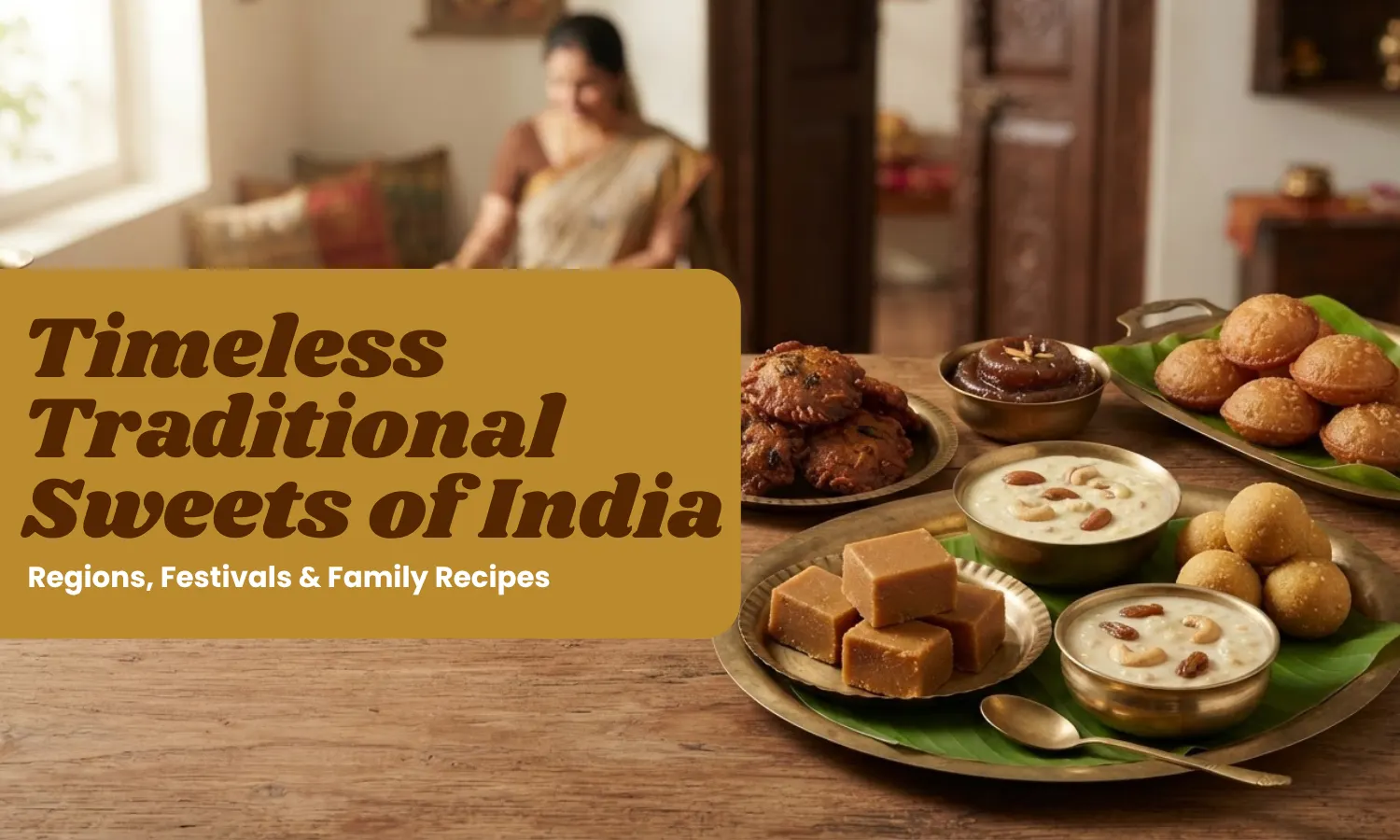
Traditional sweets are handmade desserts passed down through families, temples, and festivals across India. They use simple ingredients such as ghee, jaggery, milk, besan, and rice, and every region has its own favourites. From adhirasam in Tamil Nadu to unniyappam in Kerala, these sweets mark prayers, weddings, and everyday happiness.
Ask anyone about a happy food memory and a sweet usually shows up in the story. It might be adhirasam on a festival morning or a laddu pressed into a child’s hand after exams. Traditional sweets carry that kind of memory because they were never made in a hurry. They were made for a reason, by people who knew exactly how the jaggery syrup should look.
What Makes a Sweet Traditional?
A sweet earns the word “traditional” when its recipe has stayed almost unchanged across generations. The ingredients are local, the method is slow, and the occasion is fixed. Ghee is not swapped for refined oil, and jaggery is not replaced with a shortcut syrup. That patience sets traditional Indian sweets apart from the packaged desserts on supermarket shelves.
Most of them also follow the seasons. Sesame and jaggery appear in winter, while milk-based sweets turn up when families gather in large numbers. The same logic explains why traditional sweets of India differ so much from one state to the next, because every region cooked with what grew nearby.
Regional Favourites from South Indian sweets
The south has a deep sweet culture built around rice, coconut, jaggery, and ghee. Anyone studying traditional sweets of Tamil Nadu will find adhirasam, thirattipal, paal kova, and kesari near the top of the list.
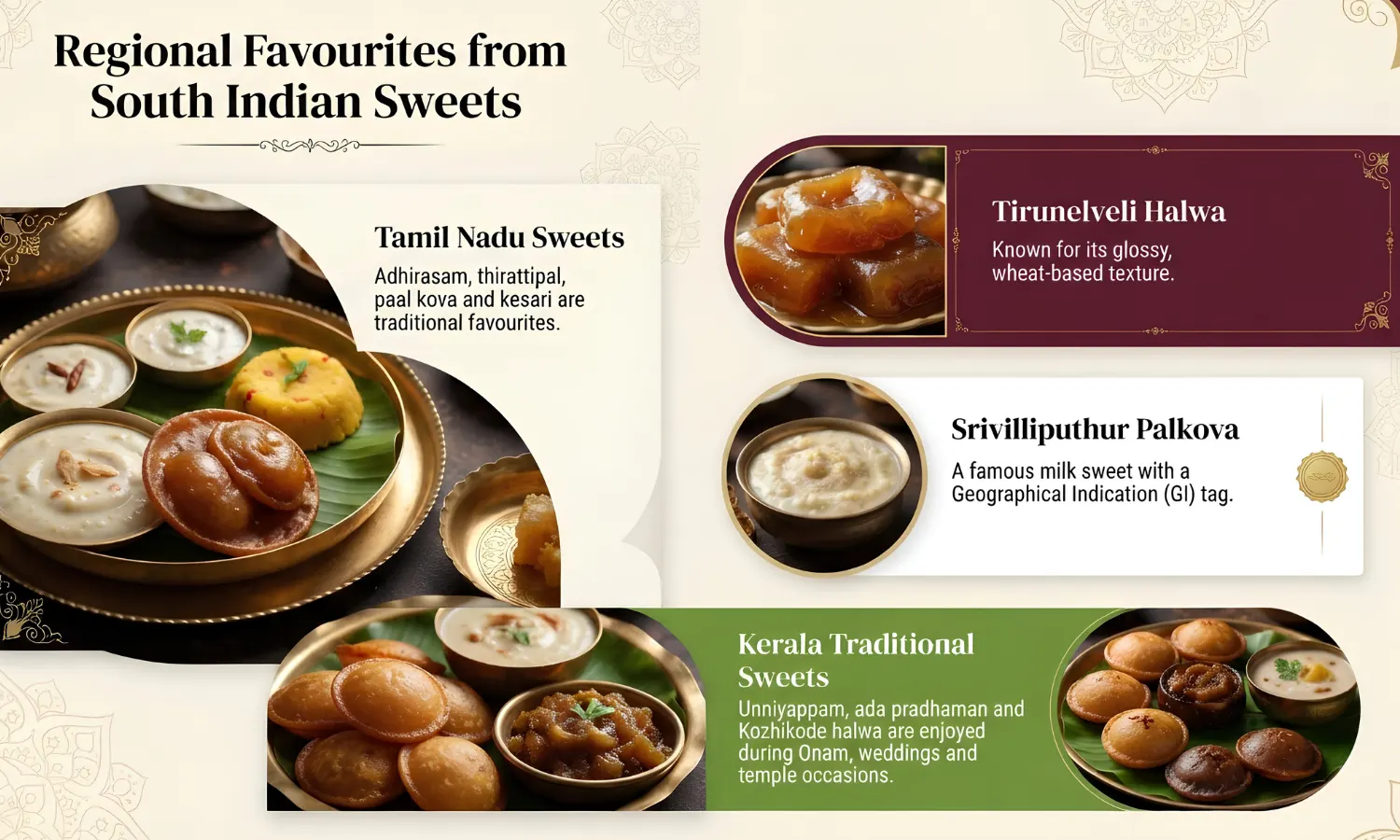
- Tirunelveli halwa is loved for its glossy, wheat-based texture.
- Srivilliputhur palkova holds a Geographical Indication tag.
- Kerala has its own set. Kerala traditional sweets such as unniyappam, ada pradhaman, and Kozhikode halwa are made for temple offerings, Onam, and weddings.
In Chennai, the festival season sends many families looking for traditional sweets in Chennai that taste like the ones made at home, with ghee that smells like ghee and jaggery that has not been rushed.
Which Sweets Belong to Which Festival in India?
Festivals decide the menu. Here are some festive occasions and sweet treats that are suitable for those occasions:
- For Diwali, traditional Diwali sweets include laddu, Mysore pak, badusha, and adhirasam, often made a day or two ahead so the flavours settle.
- During Eid, traditional Eid sweets such as sheer khurma and seviyan payasam are cooked with milk, vermicelli, dates, and dry fruits.
- Christmas brings its own treats. Traditional Christmas sweets in Indian homes range from plum cake to rose cookies and kulkuls, which are small curled dough pieces fried and coated in sugar syrup.
- Pongal follows the same pattern with sakkarai pongal made from new rice, jaggery, and ghee.
Every festival gives these sweets a reason to return to the table, and that yearly return keeps the recipes alive.
Keeping Old Recipes Alive in a Busy Kitchen
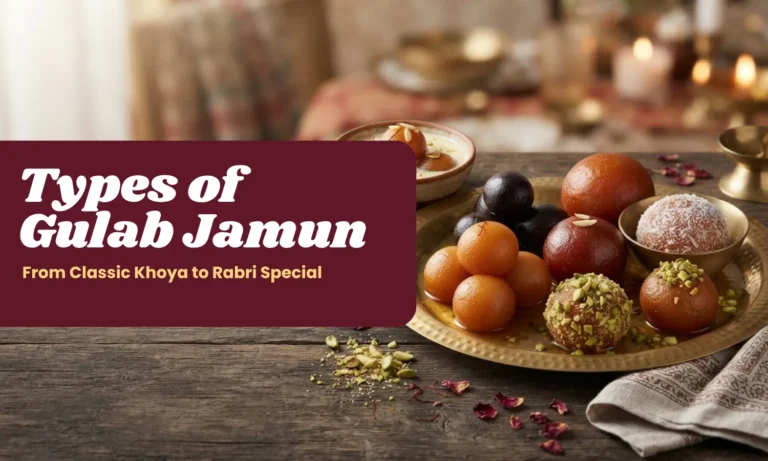
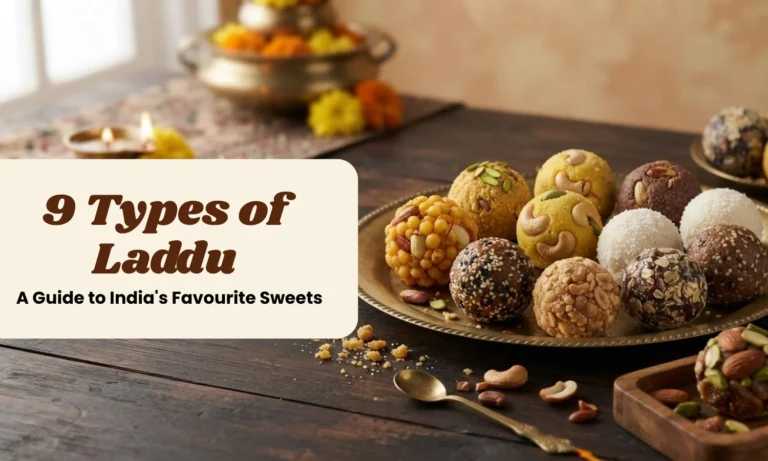
Two sweets appear at almost every celebration. Traditional besan ladoo needs gram flour roasted in ghee until it smells nutty, then mixed with sugar and cardamom and shaped by hand while warm. Traditional gulab jamun starts with a soft dough of khoya, which is fried slowly and soaked in warm sugar syrup. Both look simple, yet a rushed roast tastes raw, and hot oil cracks the jamun.
Many working families still want Indian traditional sweets at home but have fewer hours to spare. That is where a trusted mix helps. 777 Foods, a Chennai brand serving South Indian kitchens since 1954, offers a Besan Ladoo Instant Mix and a Gulab Jamun Mix that keep the process short while the taste stays familiar.
Bring the Taste of Tradition Home by Ordering at 777 Foods
Festival season arrives quickly, and the kitchen never has enough hours. Visit 777 Foods and order the mixes, pickles, and masalas that make festive cooking easier. The website currently lists 25% off on a first order and free shipping on orders of ₹300 and above. The 777 Besan Ladoo Instant Mix and Gulab Jamun Mix suit days when you want home-style results without a long roast. Make this year’s traditional sweets the ones everyone asks about.
Key Takeaways
- Recipes handed down over generations rely on local ingredients, slow methods, and fixed occasions.
- Every region has a signature, from adhirasam in Tamil Nadu to unniyappam in Kerala.
- Diwali, Eid, and Christmas each have their own sweets, and preparing a day early suits many of them.
- Besan ladoo and gulab jamun need patience more than complicated ingredients.
- Instant mixes from 777 Foods help busy households keep favourite sweets on the festival table.
FAQs
What are the most popular traditional sweets in South India?
Adhirasam, Mysore pak, kesari, palkova, unniyappam, and payasam are among the best loved. Each one uses ghee, jaggery, milk, or rice, and each is tied to a festival or a temple offering. Many families still prepare them at home every year, especially when relatives visit.
How long do homemade sweets stay fresh?
It depends on the sweet. Dry sweets such as besan ladoo and Mysore pak last longer in an airtight container, often for a week or two. Milk-based sweets should be refrigerated and eaten within a few days. Keep traditional sweets away from moisture and always use a dry spoon.
Can recipes be made without refined sugar?
Yes, many recipes already use jaggery or palm sugar, and some use dates. The taste and colour change slightly, so reduce the sugar gradually. Sweets remain a treat, so enjoy traditional sweets in modest portions.
Which sweets work well as festival gifts?
Sweets that travel well make safe choices. Laddu, Mysore pak, halwa, and dry cookies hold up for several days. Pack them in a firm box lined with butter paper so they do not stick or crumble. Choosing traditional sweets the recipient grew up with makes the gift feel personal.
Is it difficult for a beginner to make sweets at home?
Not really. Start with rava kesari or besan ladoo, which need only a few ingredients and basic skills. Roast patiently, measure the sugar carefully, and keep the flame low. If time is short, an instant mix from 777 Foods gives dependable results for traditional sweets even on a busy weekday.