Overview
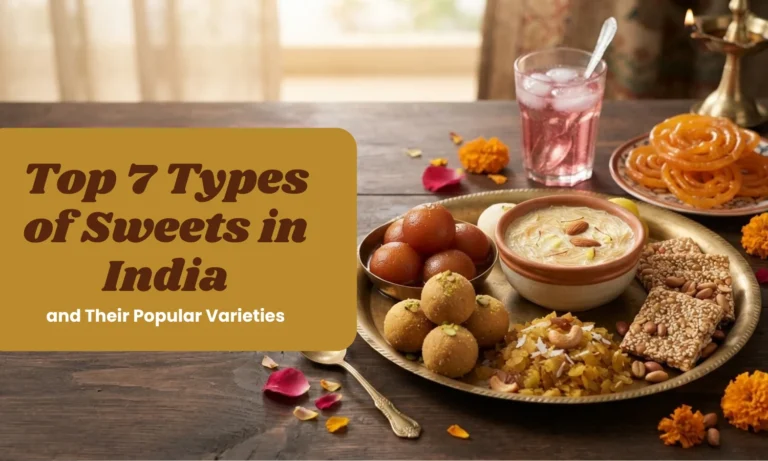
Indian celebrations are unimaginable without a tray of different types of sweets that are colourful and mouthwatering. When you look at the sheer variety of dishes across the country, you might wonder exactly how many types of sweets in India actually exist. While the total number might be hundreds, they can easily be sorted based on their core foundation. Depending on the main ingredients and cooking methods, our country’s sweet treats can be classified into 7 primary categories, which is exactly what this blog explains.
Introduction:
Picture a grand wedding, a cosy family gathering, or a major festival like Navratri or Diwali. Can you imagine one without sweet delicacies? We know that the answer is No!
Because sweet treats bring people together in a way nothing else can.
Classifying the various types of sweets by their base components makes understanding and preparing them much simpler. Right from rich dairy creations to golden fried doughs, this structured guide explores the primary categories you need to know.
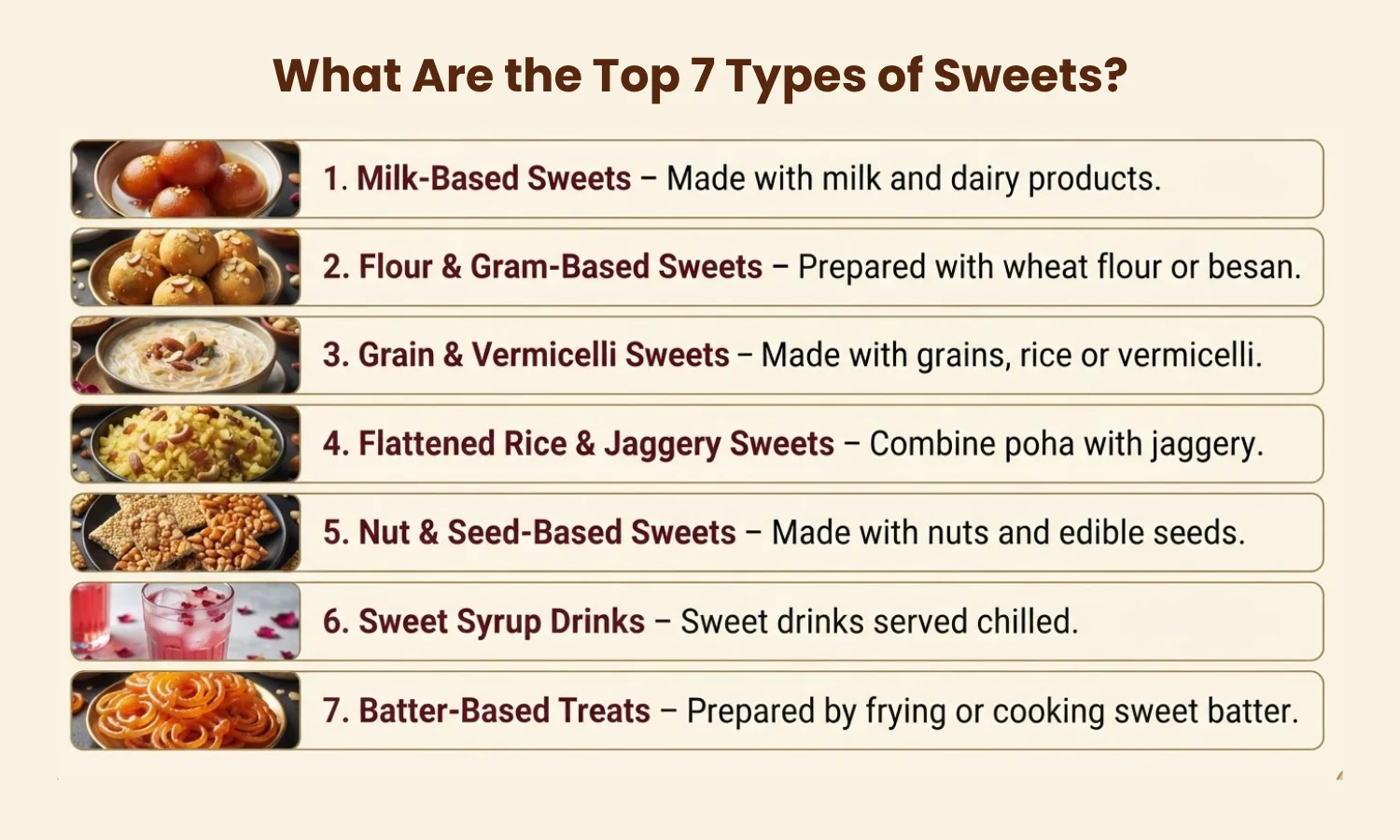
What Are the Top 7 Types of Sweets?
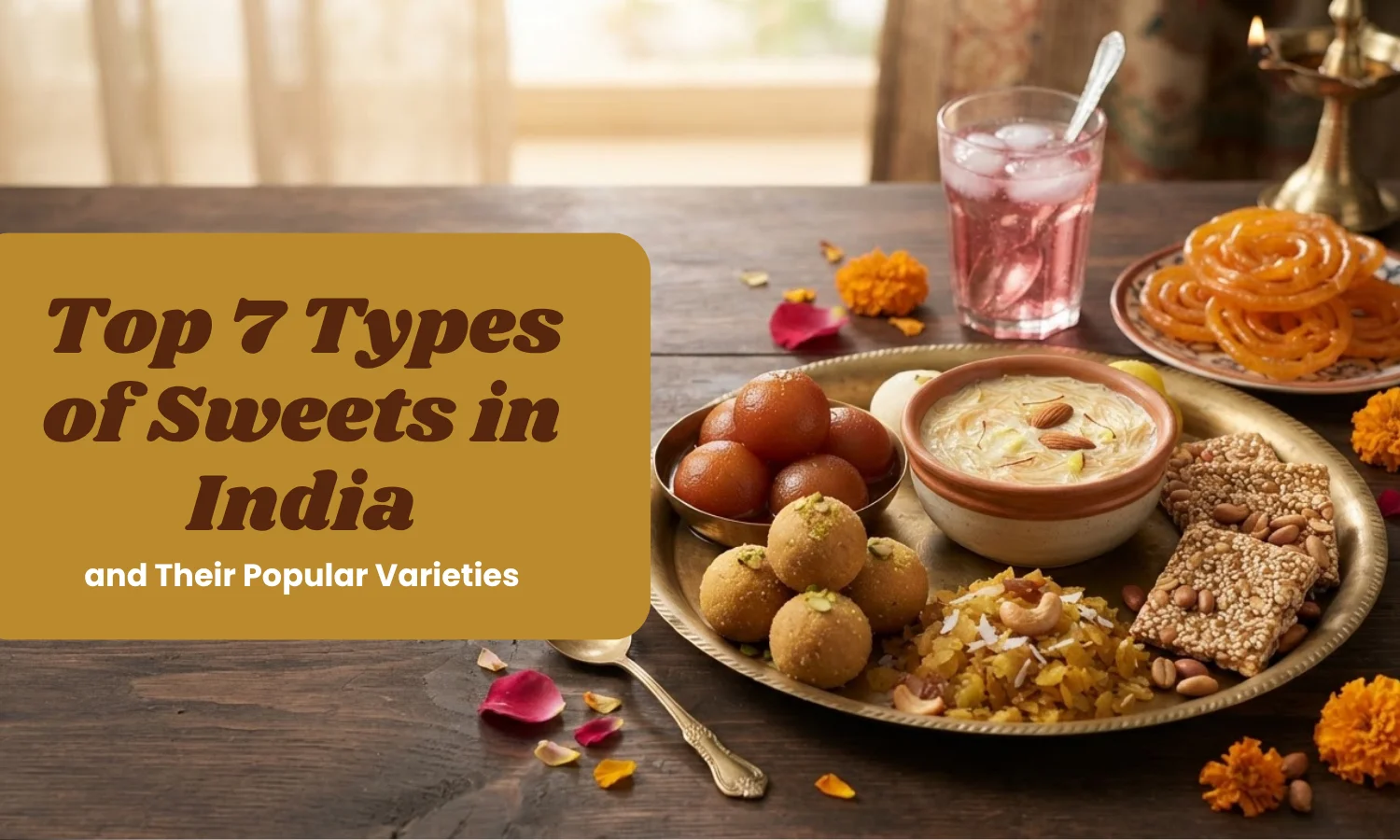
The different types of sweets classified according to their base components are as follows:
- Milk-based delights
- Flour and gram-based sweets
- Grain and noodle-based desserts
- Flattened rice with jaggery-based treats
- Nuts and seed-based sweets
- Syrup-based cool sweet drinks
- Batter-based treats
Let’s now look at each of the categories in detail.
1. Milk-Based Delights: Deep-Fried and Syrupy
Milk forms the backbone of traditional Indian confectionery, transformed through simmering, curdling, or condensing. Among the rich array of types of sweets, dairy-based fried balls soaked in fragrant sugar syrup remain the absolute crowd favourite.
The undisputed king of this category is gulab jamun. Made from solid milk fats and mixed with a hint of flour, these soft rounds are fried till they become golden brown and soaked in cardamom-infused syrup. Following an easy gulab jamun recipe using instant mixes like the 777 Gulab Jamun Mix lets you recreate this iconic melt-in-your-mouth treat at home.
2. Flour and Gram-Based Classics: Roasted and Rolled
Ladoos represent one of the oldest categories among the different types of sweets. Made by roasting various flours in pure ghee or oils and binding them with sugar, these sweet spheres offer unmatched flavour and convenience.
Besan ladoo stands out as a classic example in this group. Roasted gram flour combined with powdered sugar creates a rich, aromatic treat that stays fresh for weeks. Trying a simple besan ladoo recipe at home using the 777 Besan Ladoo Instant Mix guarantees perfect texture every single time.
3. Grain and Noodle-Based Payasams: Creamy Simmered Desserts
Payasam or kheer occupies a special place in South Indian types of sweets and festive thalis. Cooking grains, lentils, or fine vermicelli noodles slowly in milk creates a velvety dessert that soothes the palate.
A bowl of hot or chilled vermicelli kheer is a classic highlight of this category. Roasted thin vermicelli strands are boiled in full-cream milk, sweetened with sugar, and finished with a dash of cardamom and fried nuts. It is quick to whip up, especially if you are using the 777 Shortcut Vermicelli, yet feels incredibly royal.
4. Flattened Rice and Jaggery Sweets: Quick Traditional Comforts
Moving beyond heavy dairy, flattened rice (poha) serves as a wonderful base for light treats. When paired with jaggery, coconut, and pure oils like the 777 gingelly oil or the 777 sesame oil, poha turns into an aromatic, quick, sweet dish.
Sweet poha, often prepared during auspicious occasions like Krishna Jayanti, is a popular pick on the Indian sweets list. Thin poha is rinsed lightly and mixed with jaggery syrup, grated coconut, and crushed cardamom. A light drizzle of sesame oil or pure ghee brings all the rustic flavours together seamlessly, offering a delightful preparation.
5. Roasted Nut and Seed Sweets: Nutrient-Rich Chikkis and Halwas
Nuts and oilseeds form a distinct category among types of mithai. Combining roasted sesame seeds, peanuts, or dry fruits with jaggery produces crunchy types of sweets that provide instant energy.
Sesame chikki (Til Ladoo or Til Chikki) is a hallmark of winter festivals like Makar Sankranti and Pongal. Sesame seeds are carefully roasted in pure sesame oil or dry-roasted, then folded into hot jaggery syrup before being set into crisp bars. These showcase how various types of sweets can be both delicious and packed with wholesome goodness.
6. Syrupy Fruit-Infused and Cooling Desserts: Refreshing Beverages
Not all sweet treats come in solid forms. Fragrant, fruit-infused sweet syrups like Nannari and Rose Sharbat represent the cooling, liquid side of Indian confectionery.
A popular favourite among the types of sweets is Rose Kheer, where aromatic rose sharbat syrup is layered into cold rice pudding or chilled milk. Drizzling rose or herbal syrups over puddings, ice creams, or faloodas adds a refreshing floral lift that instantly elevates simple desserts into celebratory delights.
7. Deep-Fried Crispy Batter Sweets: Golden Sugar-Soaked Rings
The final group on our types of Indian sweets guide features crisp, fried batter rings soaked in sugar syrup. Dishes like Jalebi, Jangiri, and Sweet Appam showcase how simple batters transform under high heat.
Jangiri, made from finely ground urad dal batter piped into intricate spirals, is fried to crisp perfection in pure cooking oil or ghee, then submerged in warm cardamom syrup. The result is a glossy, juicy sweet that offers a satisfying crunch followed by a burst of sweet syrup.
Choosing the Right Sweets for Every Celebration
Understanding these categories makes planning your festive menus completely stress-free. If you are curating a festive spread, balancing a syrupy type of Indian dessert entry with a dry, rolled ladoo ensures everyone finds something they love.Here’s a table that summarizes the different types of sweets and their qualities:
| Types of Sweets | Key Base | Standout Quality | Best Occasion |
|---|---|---|---|
|
Milk-based delights |
Milk solids (khoya) or condensed milk products |
Deeply indulgent texture with warm, aromatic syrup |
Ideal sweets for gifting during major festivals, family feasts & dinner parties |
|
Flour and gram-based sweets |
Gram flour (besan), whole wheat flour, or roasted lentils |
Long shelf life, nutty aroma & easy storage |
Essential choice when choosing types of sweets for marriage, return gifts & festive pujas |
|
Grain and noodle-based desserts |
Vermicelli, rice, or sago cooked in sweet milk |
Silky, liquid-to-semi-solid consistency |
Traditional family lunches, religious offerings & quick weekend desserts |
|
Flattened rice with jaggery-based treats |
Flattened rice (poha), jaggery, coconut, and oils |
Requires minimal to no cooking, digestively light, and naturally sweetened |
Evening snacks, fasts, and quick traditional offerings |
|
Nuts and seed-based sweets |
Sesame seeds, peanuts, cashews, and jaggery syrup |
Crunchy, rich in healthy fats, and high in energy |
Winter festivals, travel snacks, and healthy daily treats |
|
Syrup-based cool sweet drinks |
Concentrated plant syrups, chilled milk, and aromatic extracts |
Ultra-refreshing, highly aromatic, and perfect for hot climates |
Summer celebrations, wedding welcome drinks & post-meal digestives. |
|
Batter-based treats |
Urad dal flour, rice flour, or refined flour batters |
Crisp outer shell with a juicy, syrup-filled interior |
Festive mornings, breakfast pairings & wedding buffet spreads |
Whether you rely on convenient ready-to-use instant mixes like gulab jamun and besan ladoo mixes or cook traditional all types of sweets from scratch using pure staples like gingelly oil, vermicelli, and poha, home-cooked sweets carry a warmth that store-bought boxes simply cannot match.
Exploring these Indian sweet varieties brings genuine tradition and rich, authentic flavours straight to your family table.
Key Takeaways
- Categorizing types of sweets by base ingredients makes festive menu planning effortless.
- Dairy-based delights remain the most popular items on any Indian sweets list.
- Long-lasting flour and seed options make excellent sweets for gifting during weddings.
- Simple staples like poha and vermicelli let you prepare traditional types of Indian desserts quickly.
- Quality oils and reliable mixes bring out authentic flavour across all Indian sweet varieties.
FAQs
How many types of sweets are popular across India?
The most popular Indian sweets fall into 7 main categories based on their primary base ingredient.
What are the best types of sweets for marriage gifting and long travel?
Flour- and seed-based sweets like besan ladoo, sesame chikki, and dry fruit rolls are ideal because they have a longer shelf life and hold their shape well without refrigeration.
Can I make traditional Indian sweets quickly at home without cooking skills?
Yes, using quality instant mixes for dishes like gulab jamun and vermicelli kheer lets you prepare authentic traditional desserts in just a few simple steps.
Which ingredients are best for making lighter, wholesome traditional sweets?
Using flattened rice (poha), natural jaggery, sesame seeds, and gingelly oil allows you to craft light, nutritious treats full of traditional flavour.