Red Chilli in India:
Types, Uses, Benefits, Price, and Buying Guide
Overview
What Is Red Chilli, and Why Does It Matter in Indian Kitchens?
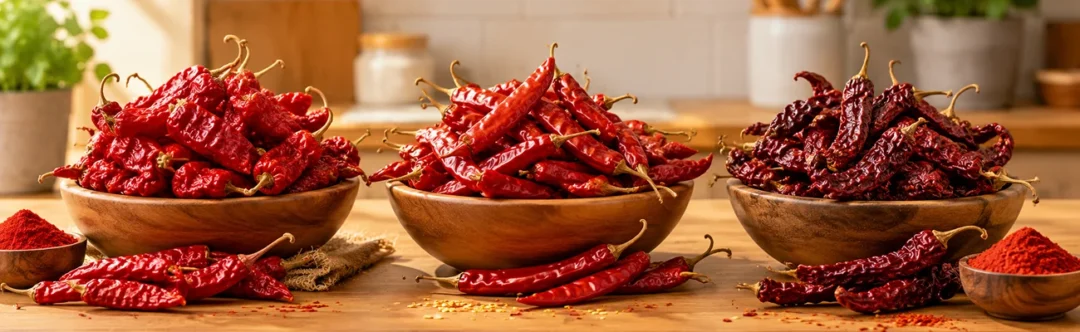
Types of Chillies Used in Indian Cooking
| Variety | Region Grown | Heat Profile | Typical Kitchen Use |
|---|---|---|---|
| Kashmiri Chilli | Jammu and Kashmir, also grown in Karnataka | Mild | Colour-forward curries, tandoori marinades |
| Byadgi Chilli | Karnataka | Medium | Powder, pickles, chutneys |
| Guntur Chilli | Andhra Pradesh | High | Spicy curries, mixed chilli powders |
Red Chilli Powder: How It Is Made and Why Quality Matters
Kashmiri Chilli vs. Other Varieties: Colour, Heat, and Culinary Use
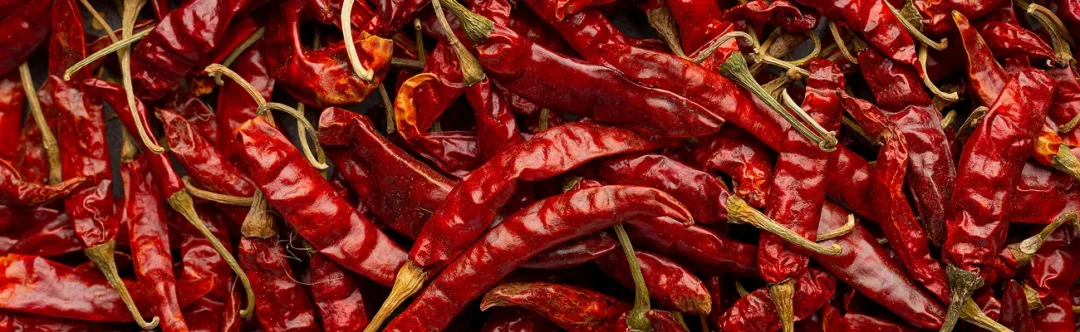
Red Chilli Price in India: What Affects the Cost?
- Monsoon patterns in growing regions, such as the Guntur and Byadagi belts, directly influence yield, and a weak or delayed monsoon can tighten supply and push the chilli powder price higher across the market
- Storage costs, transport distance from the growing region to the point of sale, and currency movements affecting export demand also play a role.
- Packaging size changes the per-unit economics too. A smaller sachet generally costs more per gram than a larger pack, so shoppers comparing red chilli powder price across brands should check the per-kilogram rate rather than the sticker price alone.
- Buyers researching red chilli powder 1 kg price or Kashmiri red chilli powder price before a bulk purchase for a household or small food business will usually find noticeable variation between loose market chilli and a sealed, quality-tested branded pack, largely because of the additional processing, testing, and packaging involved in the latter.
- It also helps to track the red chilli price today rather than relying on numbers from months earlier, since spice markets can shift quickly around harvest season.
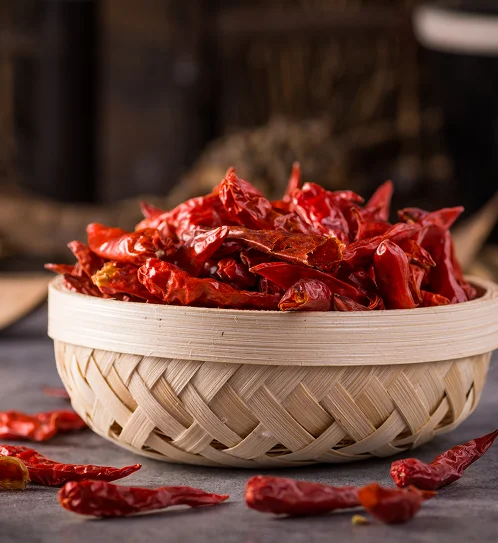
The Must-Know Health Benefits of Red Chilli
Red chilli benefits stem mainly from capsaicin, the compound responsible for its heat, along with a meaningful content of vitamin C, vitamin A, and antioxidants such as carotenoids.
- Capsaicin has been studied for its role in temporarily boosting metabolic rate and has traditionally been associated with improved digestion when consumed in moderate quantities as part of a balanced diet.
- Dried red chilli also retains iron and potassium, nutrients that support everyday bodily function, though the quantities consumed in typical cooking are small compared to a dedicated dietary source.
- Traditional Indian medicine has long used red chilli for its warming properties, particularly in colder months, and many households still associate a pinch of chilli powder with improved appetite and circulation.
That said, red chilli benefits come with a catch. Excessive consumption can irritate the digestive lining for some individuals, particularly those with existing acidity or ulcer conditions, so moderation remains the sensible approach rather than treating chilli as a health supplement.
Everyday Uses: From Pickle and Chutney to Paste and Flakes
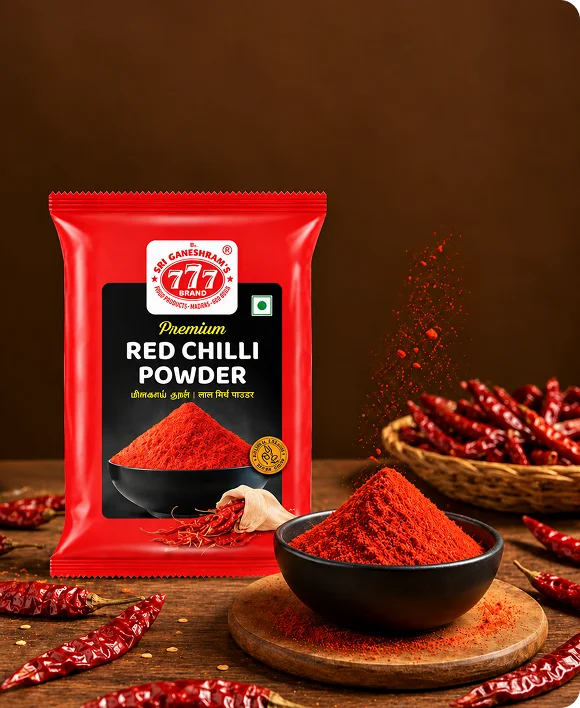
How to Choose the Best Red Chilli Powder for Your Kitchen?
Selecting the Right Red Chilli for the Right Dish
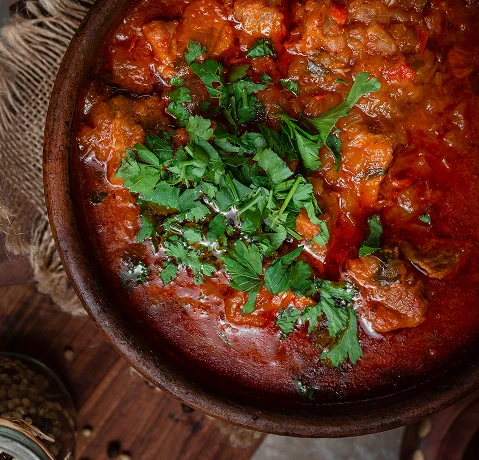
Bring Home Quality You Can Taste!
777 Foods has manufactured packaged spices and daily cooking essentials from Tamil Nadu for decades, with a focus on colour retention, controlled moisture, and consistent grinding across every batch of red chilli powder. If the kitchen is a busy household, a hostel mess, or a small food business, checking the current range and pack sizes on the official 777 Foods store makes it easier to restock the right variety before the next cooking session runs short.